
Scientists have found a way to detect signs of lung cancer before a tumor
Scientists at University College London have discovered that certain immune cells can accumulate in the body months or even years before lung cancer develops
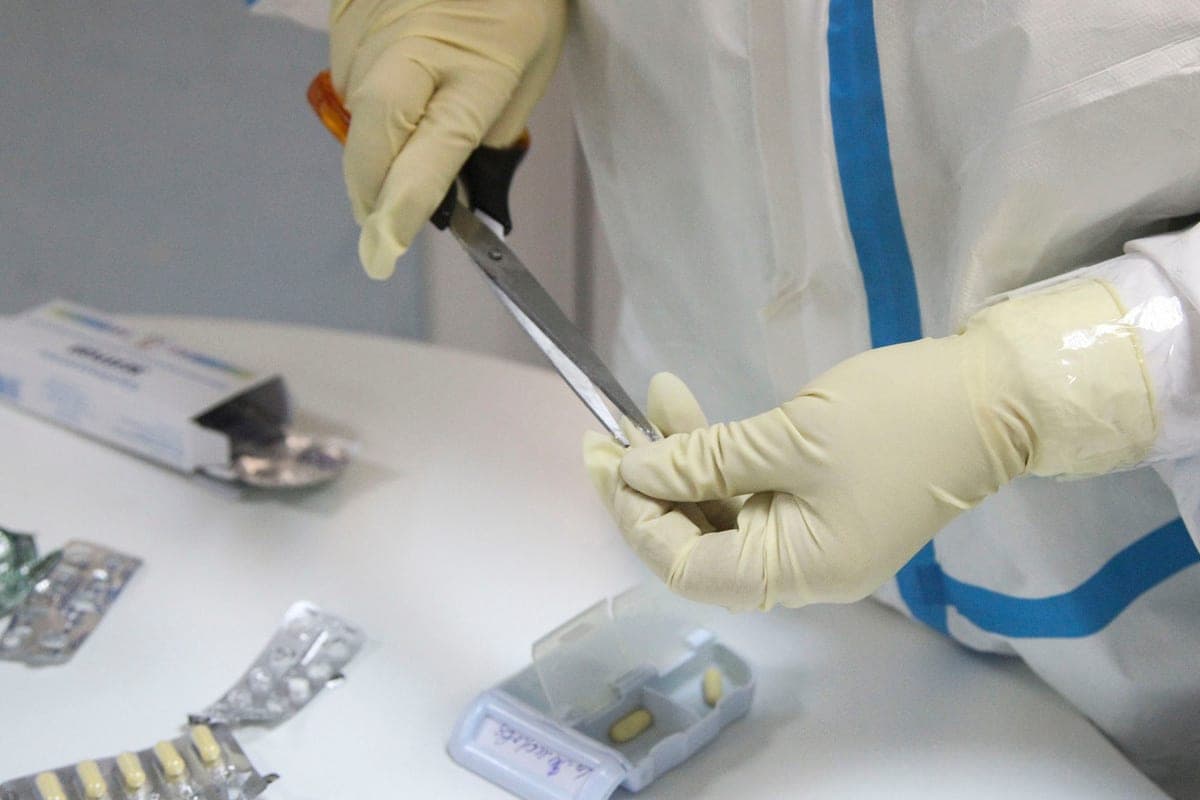
Scientists at University College London have found that certain immune cells can accumulate in the body months or even years before lung cancer develops. The impact on this mechanism helped to reduce the number of cases of tumor formation in experiments on mice. The results of the study are published in the journal Nature.
The team, led by Dr. James Reading and Professor Sam Jaynes, studied blood and tissue samples from people participating in lung health surveillance programs and conducted experiments on animals.
The researchers found that before cancer develops, the number of regulatory T cells gradually increases. They usually inhibit the activity of other cells of the immune system, but under certain conditions can prevent the body from recognizing and destroying abnormal cells. As a result, precancerous changes are able to develop into a tumor.
With the help of experimental blood tests, scientists were able to track the level of these cells. In the future, this approach could help identify people at increased risk of lung cancer or detect the disease in its early stages.
In experiments in mice, a drug that affects certain immune processes helped to weaken the inhibitory effect of regulatory T cells. The proportion of animals that developed tumors halved, and large tumors did not form.
“We are moving from treating cancer primarily at the developmental stage to treating precancerous conditions,” said Professor Sam Jaynes.
In the UK, about 32,800 people die from lung cancer each year. According to the study, only 11.1% of patients with this diagnosis live ten years or more.
So far, the results do not mean that a new blood test or drug prophylaxis is already available to patients. Scientists will have to test the effectiveness of the approach in humans and find out whether it can actually prevent the development of the disease.