
In the forests of Sochi began the flowering of ivy, from which bees make “stone” honey
In the Sochi National Park continues the season of mass flowering of ivy – evergreen plant, which plays an important role in the ecosystems of the Caucasus
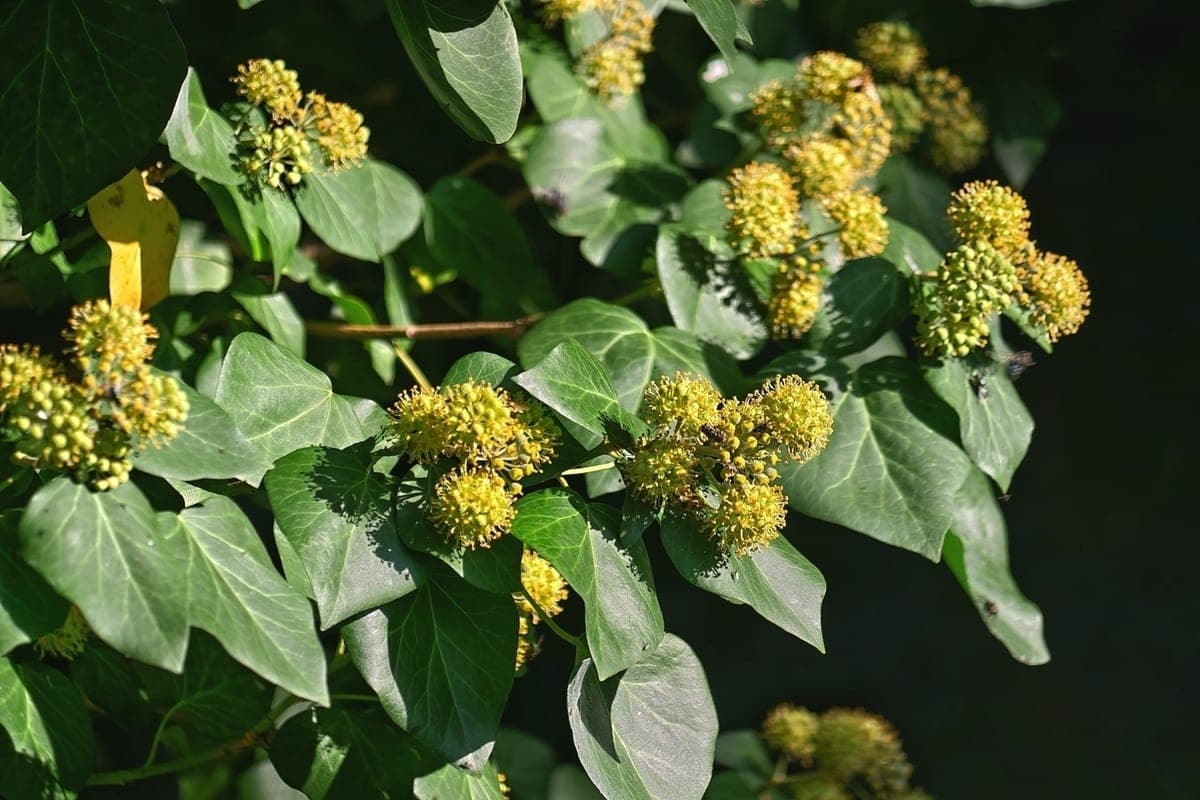
In the Sochi National Park continues the season of mass flowering of ivy - evergreen plant, which plays an important role in the ecosystems of the Caucasus. In autumn, its flowers become one of the last major sources of nectar for pollinating insects. However, ivy honey obtained by bees has an unusual property: it quickly crystallizes and acquires an almost firm consistency, experts of the national park said.
In the natural territories of Sochi grow two types of plants - Colchis ivy and ordinary ivy, which is also called the Caucasian. The first refers to the endemic representatives of the Caucasian flora. Both species are found in broad-leaved and mixed forests, where they participate in the formation of plant communities. The flowering period begins at the end of September and can continue until the first days of November.
Despite its small size and inconspicuous color, ivy flowers actively attract insects. In addition to honey bees, nectar is fed by wasps, gum flies, butterflies and other pollinators. Due to its late flowering, the plant provides insects with an additional source of nutrition when most other honey plants have already finished the season.
A feature of ivy honey is a high proportion of glucose, due to which the product quickly crystallizes. According to experts of the national park, this consistency can create problems for bee families during wintering. If the hive remains mainly honey collected from ivy, insects may find it more difficult to use hardened food reserves. Therefore, beekeepers need to take into account the features of autumn honey harvesting.
After flowering is completed, small dark purple fruits are formed on vines, which ripen closer to spring. They serve as food for some species of birds, including thrushes and pigeons, but are inedible to humans. The Sochi National Park emphasizes the ecological significance of ivy, which preserves green foliage all year round and remains an important part of the natural appearance of the Black Sea forests.


