
In Minsk approved the concept of development of charging infrastructure for electric vehicles
The concept of developing charging infrastructure for electric vehicles was approved at the 21st session of the Minsk City Council on September 25, the correspondent of the Minsk-Novosti agency reports. ...
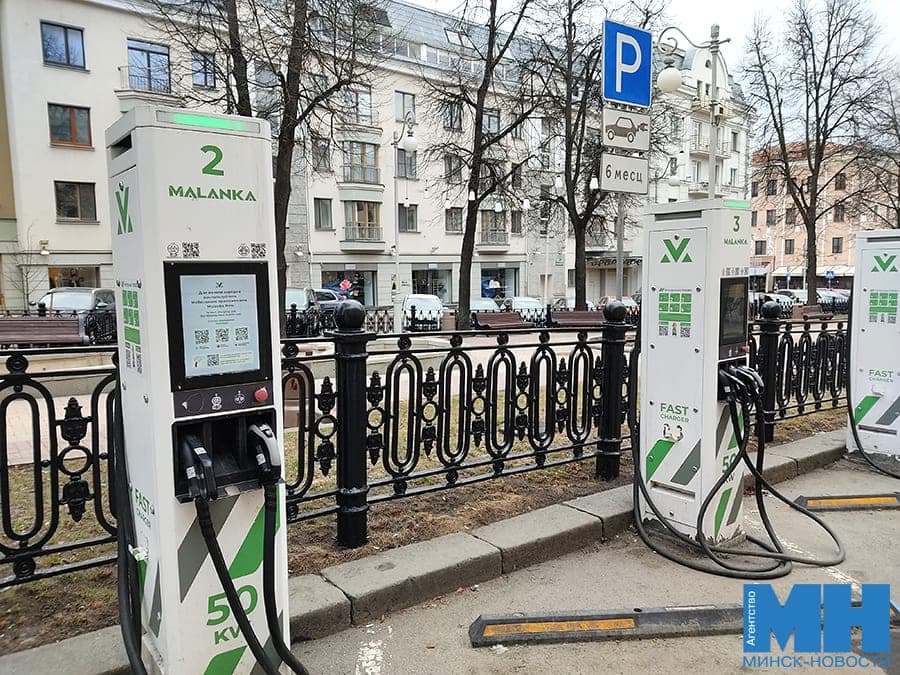
The concept of developing charging infrastructure for electric vehicles was approved at the 21st session of the Minsk City Council on September 25, the correspondent of the Minsk-Novosti agency reports.
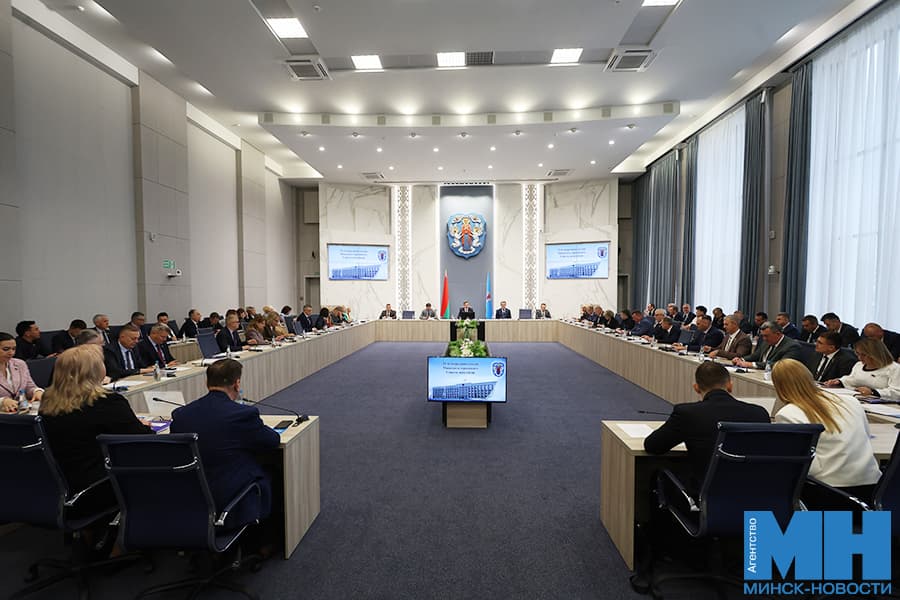
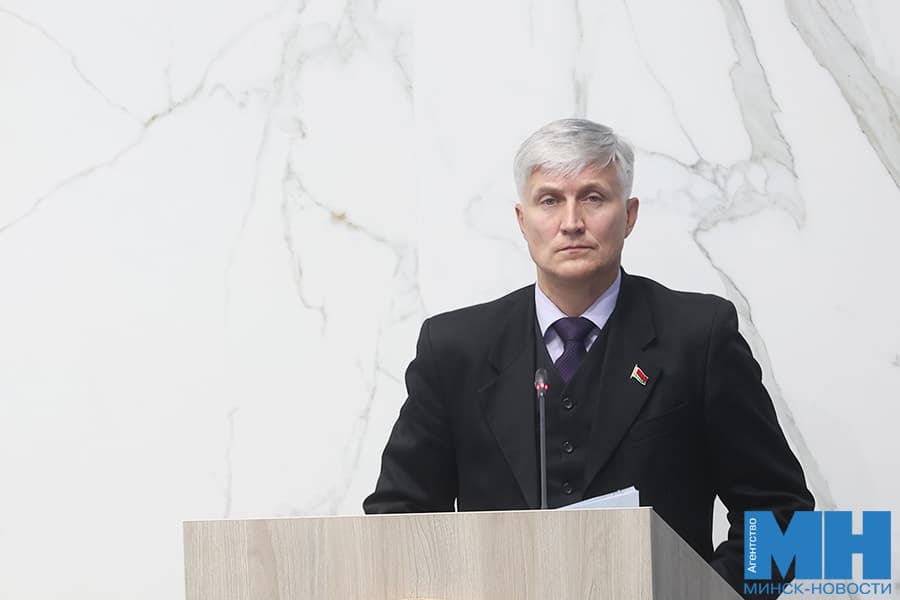
Viktor Gutko, Chairman of the Architecture and Urban Planning Committee of the Minsk City Executive Committee, explained that this concept was prepared in order to create a developed charging infrastructure for electric charging stations (EZS) in connection with the increase in the number of electric vehicles in Minsk. Almost half of all electric vehicles in the country are concentrated in the capital - 44.8%. And the number of those who applied to the Minsk City Executive Committee for the issuance of permits for the installation of a charging station in January-June 2026 amounted to 170 percent compared to January-December 2025.
The purpose of developing this concept is to create a developed infrastructure that meets the demand for EZS. And the formation of proposals for the placement of EZS in the city on public lands and the identification of potentially the most popular locations for EZS will help to create a convenient and efficient network capable of satisfying the prospective request of owners of electric vehicles.

As of July 1, 2026, 30,269 electric vehicles were registered in Minsk. The number of EZS on this date was 1,277, that is, there were 24 electric cars per station. Currently, the total number of permits issued for the installation of EZS is more than 1,600, so in the near future about 400 more stations should appear in the city. By 2030, Minsk will have more than 5,000 charging stations.

The adopted concept implies that when choosing a possible location, the intensity of the traffic flow, as well as its composition, population density, development of districts and microdistricts, engineering and transport infrastructure, planned development of public areas adjacent to the streets of the settlement will be taken into account. Thus, the placement of fast and super-fast charging stations is planned to be carried out near transport hubs with an intensive traffic flow, as well as near places of attraction (shopping centers, hypermarkets). Slow charging stations should be located in places of prolonged parking of electric vehicles: in residential areas, near hotels, office buildings and other public facilities in which users can spend more than two hours.

V. Gutko noted: according to the concept, the placement of EZS is prohibited on the territory of green areas of public use, and when designing the engineering infrastructure for them it will be necessary to provide routes for laying networks that minimally affect vegetation. In addition, the design and construction will need to be carried out without removing trees and shrubs to prevent a decrease in the level of greenery of the capital.
- In general, the implementation of this concept will create a developed charging infrastructure, which, in turn, will stimulate the use of electric vehicles in Belarus, said the Chairman of the Architecture and Urban Development Committee of the Minsk City Executive Committee.
Photo by Irina Malinovskaya


