
Construction of two new transport interchanges will begin in Minsk in 2027
In 2027, Minsk plans to start the construction of a transport interchange from Churlionis Street to Kizhevatov Street and a transport hub that will connect ...
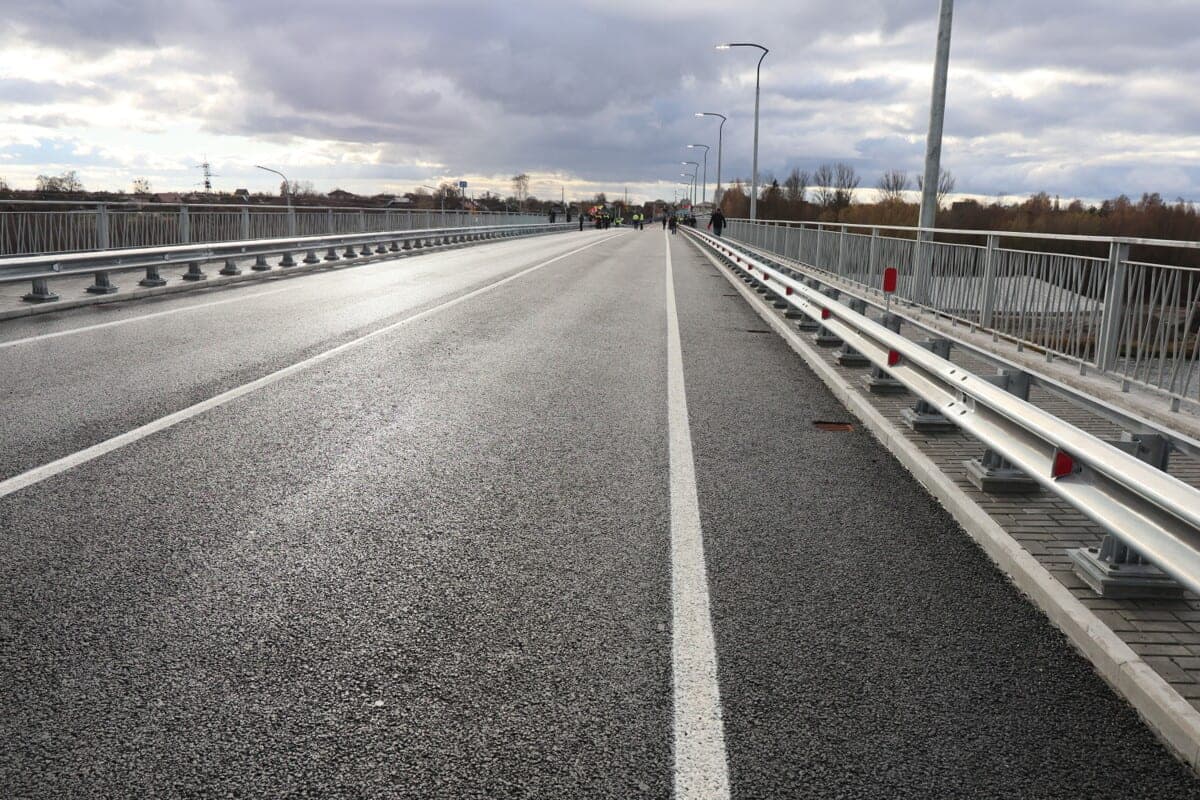
In 2027, Minsk plans to begin construction of a transport interchange from Čiurlionis Street to Kizhevatov Street and a transport hub that will connect Svislochskaya and Selitsky Streets. This was told to journalists after a meeting in the Minsk City Executive Committee by the director of the State Enterprise “Gordorstroy” Sergey Panev, BelTA writes.
Today there are more than 100 bridges and overpasses in Minsk. And the topic of the meeting under the leadership of the Chairman of the Minsk City Executive Committee Vladimir Kukharev was the issue of construction of new and repair of existing facilities. According to Sergey Panev, 5-6 overpasses are repaired annually in the capital and 1-2 new facilities are built.
This year, three bridges have been repaired. Also at the final stage is the construction of an overpass from Kolesnikov Street to Timiryazev Street. “In the near future, we plan to conduct its tests and decide on the opening of the movement,” said Sergey Panev.
The director stressed that now the issue of the development of the so-called third transport ring - the unification of local main streets into a single system is relevant. In parallel, about 10 objects that today have defects in bridge structures and require not just maintenance or maintenance, but capital investments were discussed. Some of them have already decided in the near future to order project documentation and go for repairs. Other objects require more detailed study, he said.
Next year, the city plans to start the construction of a transport interchange from Chürlionis Street to Kizhevatov Street, as well as a transport hub that will connect Svislochskaya and Selitsky streets. In parallel, the overhaul of existing facilities will continue. “It is quite realistic that they will include the pedestrian part of the bridge over the Svisloch River along Mayakovsky Street. A number of facilities that do not require global intervention will also be updated, Sergey Panev added.
Further steps will be determined as the project documentation is ready and technical solutions are selected to eliminate the identified defects. This will allow you to accurately calculate the necessary resources and amounts of funding.
By 2030, Minsk plans to put in order all bridge structures with defects, without reducing the pace of construction of new ones. “The city is expanding, requirements are growing and traffic intensity is increasing, so it is necessary to provide the capital with modern transport links,” Sergey Panev summed up.


