
What forms eating habits - the opinion of a nutritionist of the Ministry of Health
Did you know that our eating habits are in the womb? Nutrition begins long before birth: even during pregnancy.
Did you know that our eating habits are in the womb?
Nutrition begins long before birth: during pregnancy, future tastes, habits and even health risks are formed. Now experts are increasingly talking not only about the composition of the diet, but also about the culture of the meal, family traditions and early experience of the child, which determines the attitude to food for years to come. Why the first decisions of parents are so significant and how taste is formed - from genetics to complementary foods - in an interview with the journalist of the "SG" told the assistant professor of the Department of Pediatrics, chief freelance nutritionist of the Ministry of Health, candidate of medical sciences Irina Nenartovich.
The diet of the future mother A person eats as much as there is, and at the same time the debate about how to eat correctly does not cease. The impact of food begins long before the baby is born: the mother’s diet affects the health of future generations. Therefore, a balanced plate of a pregnant woman is the prevention of diseases not only in her, but also in her children. The popular belief that “eat for two” is not true. It is not the quantity, but the quality and reasonable portions.

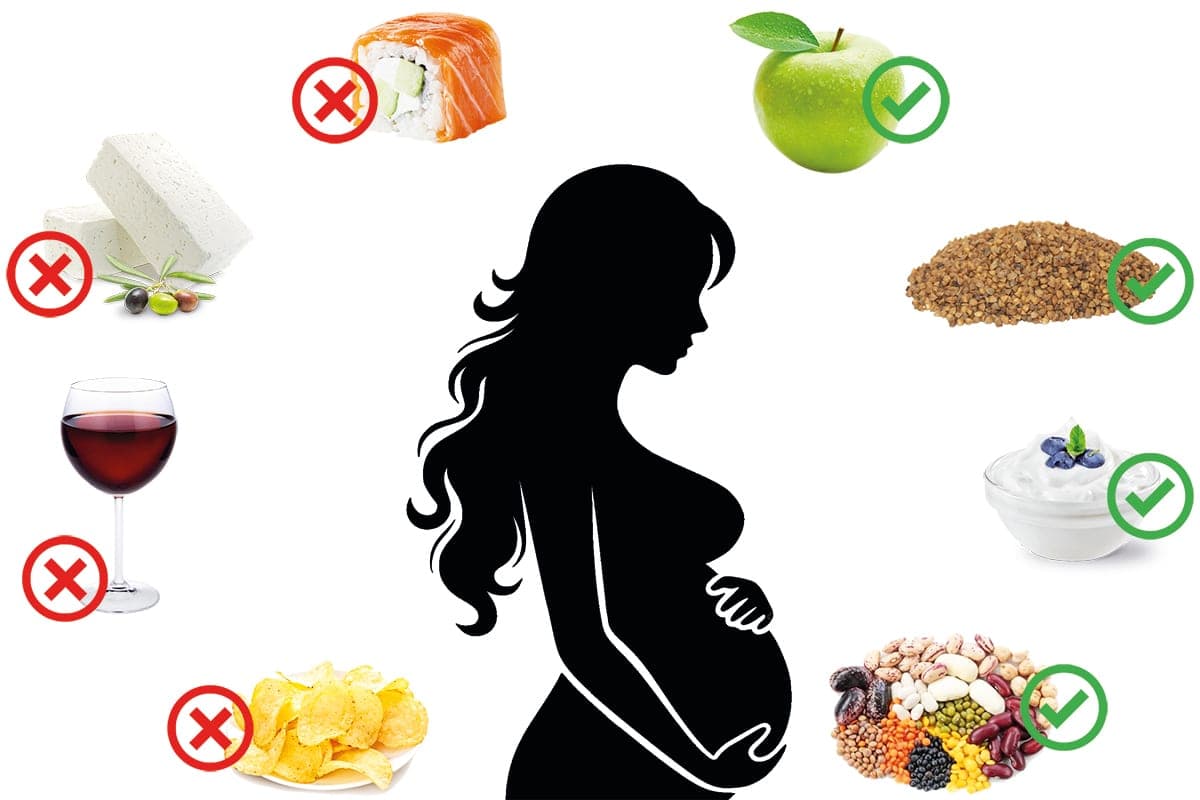
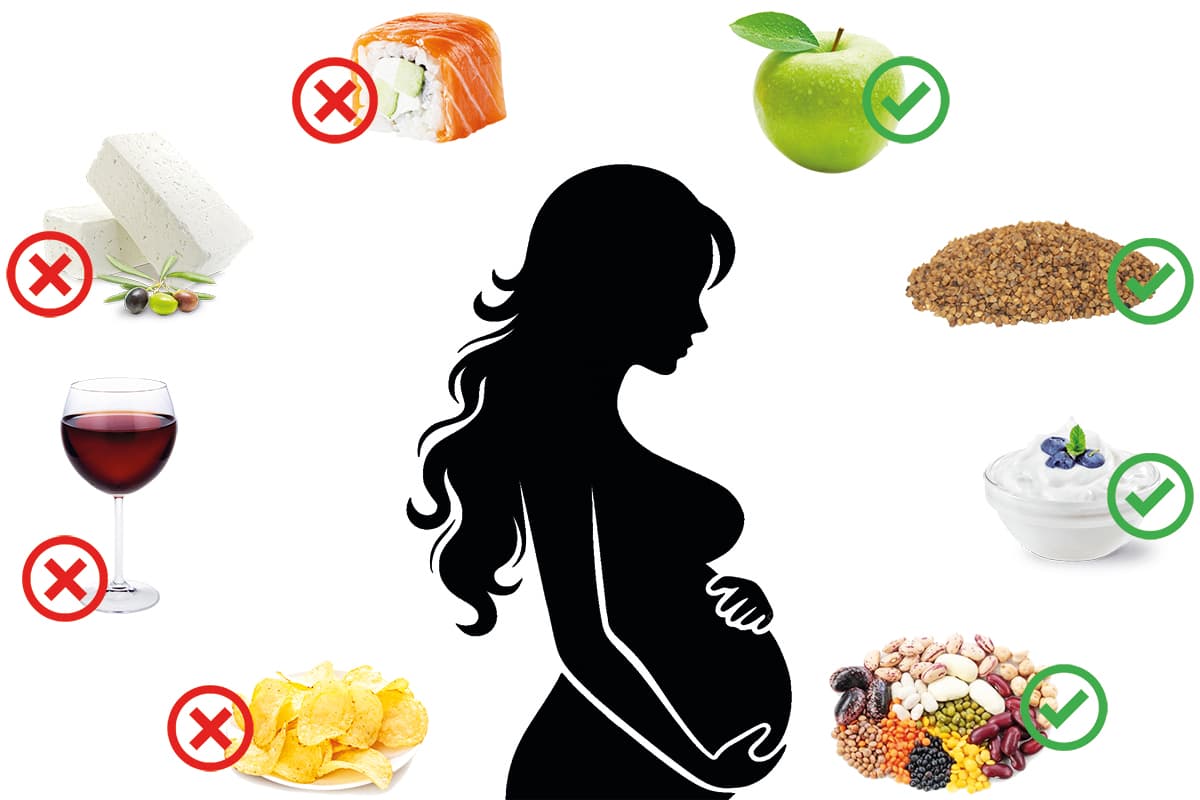
Irina Nenartovich. The exclusion of products is justified only with medical indications, for example, allergies, said Irina Nenartovich. There is another group of restrictions associated with the prevention of infections and parasitic diseases. So, the meat should be well fried to eliminate the risk of toxoplasmosis, dangerous to the fetus. Similarly, raw fish, cheese-dried sausages, soft cheeses are unsafe: it is not that the product is bad, but that pathogens can get along with it. Nutrition of the mother affects the formation of taste habits of the child. Through the variety of food, he learns to recognize tastes, and here it is important to avoid unreasonable diets. Exclusion of products without medical indications, such as gluten, can be no less risky than their use. Nutrition of a pregnant and lactating woman is not only physiology, but also culture, responsibility and understanding of the consequences. Rationality, diversity and the rejection of unreasonable restrictions are the foundation of the health of future generations. How does taste come about? Taste preferences of a person are not formed randomly - behind them is a whole range of factors that are studied in biology and psychology. The first group is genetics. Scientists have identified receptors responsible for the perception of sweet and bitter. That is why some people enjoy the bitterness of black bread or dark kvass, while others find these tastes unpleasant. The second group is related to the nutrition of the mother during pregnancy and breastfeeding. The concept of the first thousand days – the period from intrauterine development to two years of life. It is considered as a window of opportunity for the prevention of many diseases and the formation of future taste habits.
- Breastfeeding is of particular importance, emphasized Irina Nenartovich. This is not only food, but also psychological attachment. For example, experiments with animals showed that the cubs fed by the mother behaved differently than those fed by the robot. It is possible that such results would be on the example of people. This experience confirms the importance of the emotional component. The next stage is the introduction of complementary foods. The optimal period is 4-6 months for a full-term baby - the so-called window of tolerance. At this time, the immune and digestive systems are ready for new foods. Too early administration can be biologically unsafe, too late - deprives the child of the opportunity to adapt to new tastes and increases the risk of allergies. If complementary foods are postponed, neophobia often develops - fear of new products.
The first spoons are decisive – they form habits that then affect the whole system of eating. The example is simple: a child who has not tried vegetables at home refuses salads in kindergarten. For older children, the culture of eating in the family is important, said Irina Nenartovich:
- Shared breakfasts, lunches and dinners, discussion of the day at the table - this is not only a social practice, but also teaching a model of nutrition. Teenagers are more focused on peers and media images. Advertisements and examples from films shape their attitude towards food. Therefore, the prevention of eating disorders is based not on prohibitions, but on the creation of clear “rules of the road”. We are talking about a safe model that teaches you to navigate in the choice of products and forms stable habits for the future.
The influence of the maternal diet on the taste preferences of the child begins long before his birth and continues during breastfeeding, and this is a proven scientific fact. From about the fourth month of pregnancy, the fetus begins to form taste buds, and by the 30th week they work at full strength, allowing the baby to constantly try amniotic water. The taste of amniotic fluid depends on what the mother ate, because aromatic substances from her food penetrate into the bloodstream and then into this fluid. Especially easily transmitted such bright flavors as garlic, anise, carrots and even alcohol, so if the fruit encounters them repeatedly, he gets used to these flavors. After birth, a child is more likely to respond positively to foods they already know, while other children may reject them. The classic proof is the experiment with anise, where the children of mothers who consumed it during pregnancy clearly preferred its smell.
Addiction to spicy, fatty or excessively sweet foods also affects the taste of milk and can form appropriate preferences in the child. These early habits create a solid foundation, but they are not a fatal sentence, they can be adjusted at an older age by offering a variety of dishes to the child. However, the starting impulse, laid in the womb and in the first months of life, remains the most powerful factor determining the gastronomic inclinations of a person for many years to come.
After the birth, the process of “taste learning” does not stop, but moves to a new level through breast milk, the composition and taste of which also constantly change after the diet of a lactating woman. The taste of breast milk is unstable, it can vary even during a single feeding, and foods such as garlic, vanilla or carrots give it their shades, turning each feeding into a little familiarity with the family menu. A child who constantly tries different tastes through milk in the future turns out to be less picky in food and more open to new products, while artificially fed children who receive a mixture with a constant taste often show greater conservatism in nutrition.
basikirskaya@sb.by


