
Volgograd residents told how to save food for the winter and not risk health n
Shop pickles and jams are, of course, convenient
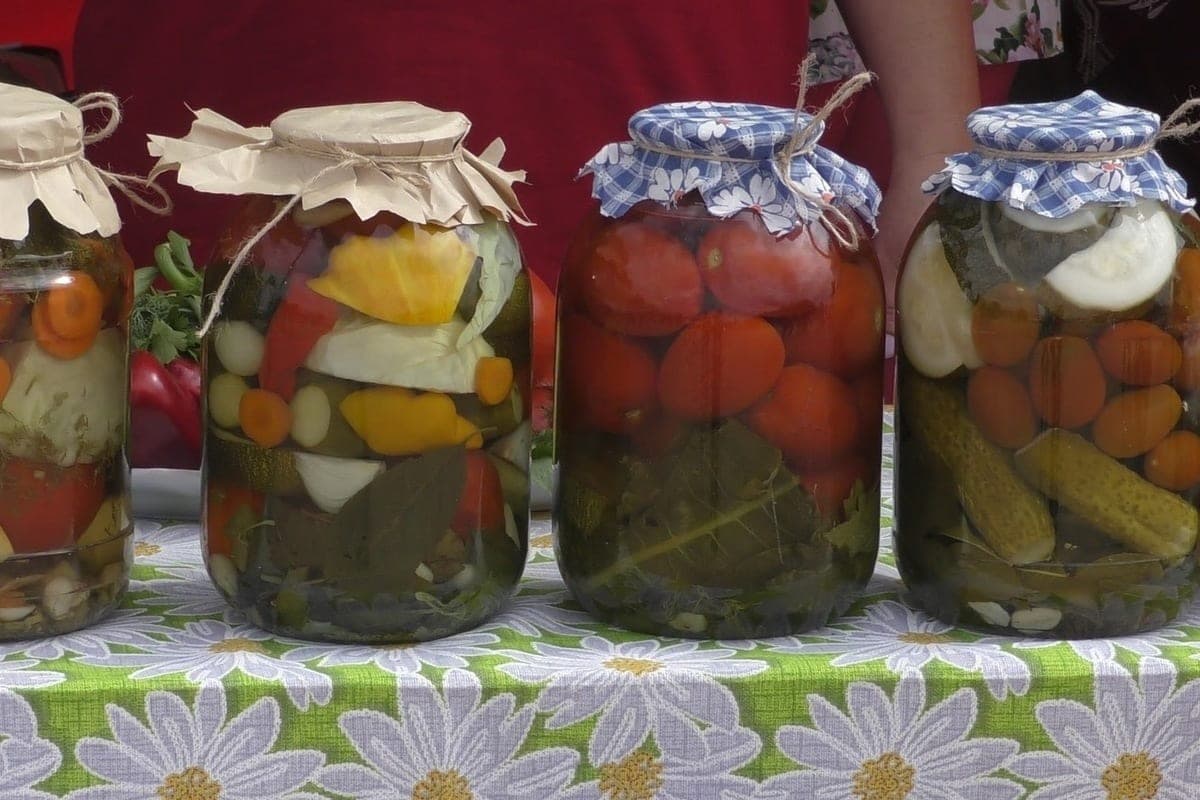
But home preservation is not only the aroma of summer in the winter cold, but also responsibility. To make the workpieces happy, and not sent to a hospital bed, it is worth remembering a few simple, but vital rules, reminded in the Department of Rospotrebnadzor in the Volgograd region.
Why cans with twists go bad
Every product is given up sooner or later – this is the law of nature. The main “pests” here are microorganisms invisible to the eye: mold fungi, bacteria and yeast. It is they who make a real stir in the banks, turning appetizing blanks into a dangerous mess.
At home, vegetables, fruits and berries are most often preserved. To prolong their life, use different techniques: sterilization, freezing, drying, salting, pickling and fermentation. Each method is good in its own way, but requires care.
Botulism: The Invisible Enemy in a Beautiful Bank
A special story is botulism. Its pathogen, Clostridium botulinum, produces a toxin that hits the nervous system. This bacterium loves places without oxygen - which means that a hermetically closed jar for it is a real resort. And here's what's scary: a product with botulinum toxin outwardly does not give itself away. No smell, taste, or color will change - it is simply impossible to determine the danger without a laboratory.
It is especially risky at home to seal meat, fish and mushrooms - this is a direct way to additional risks.
Rules for vegetables and fruits
To ensure that the workpieces are safe, adhere to simple recommendations:
Mushrooms: a special approach
With mushrooms, jokes are bad, so there are rules:
Which blanks are especially dangerous
The risk of reproduction of clostridia depends on several factors. The main thing is the acidity of the environment: the more acidic the product, the less chance bacteria have. If the pH level is above 4.5 units, clostridia feel comfortable; if the pH is below 4.5, the risk is reduced. Also, their appetites are affected by the lack of oxygen, temperatures above +4 ° C and low concentrations of salt and sugar.
At particular risk:
How to protect yourself and your loved ones
Simple prevention measures will help minimize risks. First of all, do not buy canned food from strangers, especially homemade. It is also necessary to thoroughly clean the products of soil and contaminants before cooking and follow the cooking technology. In addition, it is necessary to store home canned food only in the refrigerator or cellar. And finally, experts recommend before consuming canned goods from potentially dangerous products, subject them to sufficient heat treatment - for example, boil for 20 minutes to destroy a possible toxin.
Do not forget about the timing: canned vegetables - salads, pastes, caviar - should not be stored for longer than three to four months. Jam and high-sugar jams live a little longer.
When you need to urgently doctor
If there is general weakness, headache, dry mouth, nausea, visual impairment or swallowing, seek medical attention immediately. Botulism is no joke.
If possible, replace canning with salting and urinating vegetables and fruits - they allow you to do without sealing. Follow the rules of home canning - and let your blanks bring only joy and benefit.


