
Volgograd motorists were given advice on the choice of winter tires
Expert of the service "Autocode", professional baler Igor Shagapov told what to pay attention to when buying a winter kit
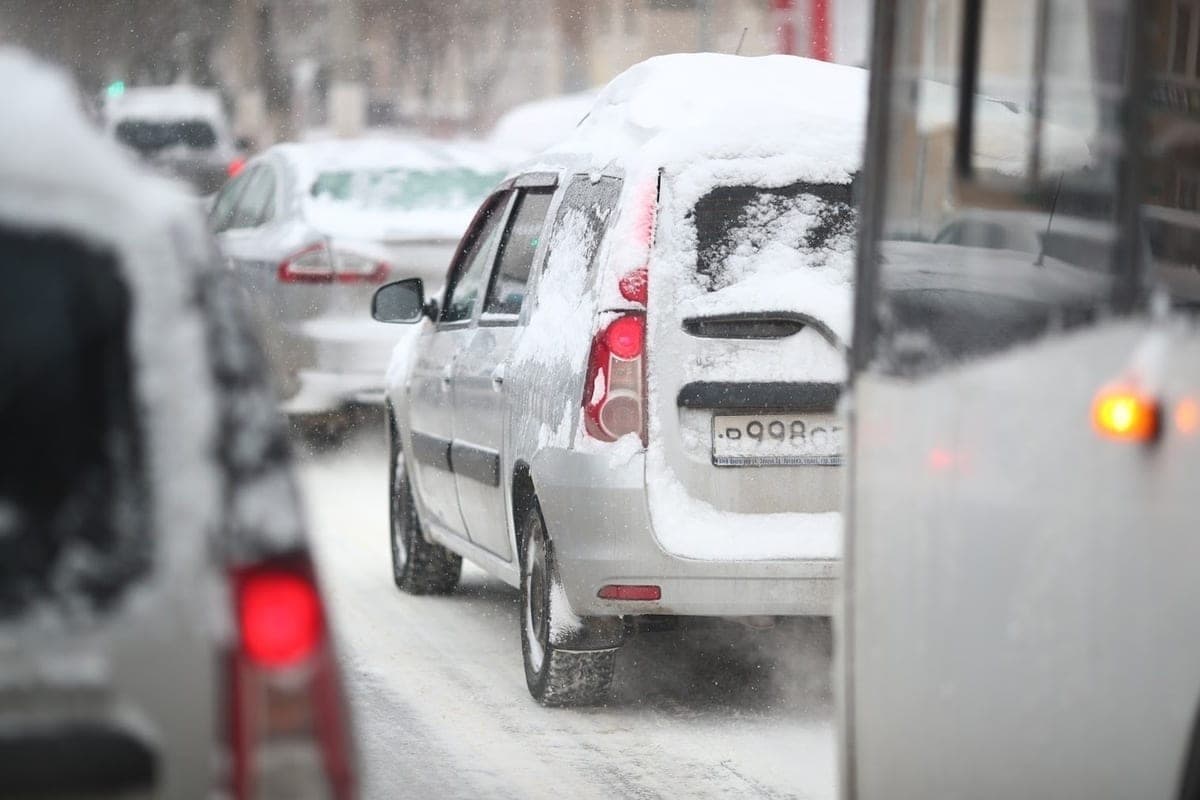
Seasonal preparation of the machine for the cold begins with an assessment of the technical condition and the selection of high-quality rubber. It depends on the characteristics of the tires how the car will hold on a slippery road, how obedient the steering wheel will respond to the actions of the driver and whether the car will be able to stop on the ice at the right time.
Thorns or "Velcro": we make a choice
The first thing to decide on is the type of rubber. Here everything is decided by the climate of the region and the conditions in which the car is operated. Residents of cities with mild winters, where utilities regularly clean the roads from snow, friction tires, which are popularly called “Velcros”, are quite suitable. But those who often have to ride on snowy and icy roads, it is better to look at the studded models.
However, spikes are not a guarantee of durability. According to the expert, they fly out even with expensive and high-quality rubber, so it is not necessary to count on the fact that the tires will last the entire stated period.
“Resin can be studded if the tread is in good condition,” advises Igor Shagapov. Usually there are marks in millimeters on the rubber that show how worn the tread was. If the wear is not critical, the tires may be hewn and carried on.”.
Restoration makes sense only when the tires have retained their performance, and the number of spikes dropped does not exceed half of the total. With more wear, new spikes will not hold well in rubber and quickly get lost again, which means that the cost of bearing will not pay off. In such a situation, it is wiser not to spend money on the "resuscitation" of the old kit, but to buy a new one.
Temperature and climate of the region
The second important criterion is the temperature range in which the tires retain their claimed properties. Not all friction tires are equally well tolerated by the Russian winter: some models are designed with a focus on a milder European climate, where the thermometer rarely drops below -10 ° C. In severe frosts, at -20 ° C and below, such rubber loses elasticity, and with it and coupling properties - the machine becomes less manageable.
Therefore, when buying it is important to look not only at the type of tires, but also at the conditions for which they are intended. If the car is operated in a region with prolonged frosts, it is worth choosing models designed for low temperatures and maintaining elasticity even in a strong cold snap.
The expert has unexpected advice regarding the width of the tires - in winter conditions it is preferable to use tires with a narrower profile. Due to the smaller width, the specific pressure in the contact zone of the tire with the roadway increases - this significantly increases traction and makes driving more stable on a slippery road. Let this option be slightly less effective in terms of appearance, but the priority should be given to safety, not aesthetics, the expert notes.
Don’t put off preparation for later
And last but not least, seasonal work is better not to leave for the last days. Check the main systems should be carried out in advance, before the arrival of severe cold. This will allow you to detect latent malfunctions in time, which can worsen with sharp temperature changes, and eliminate them before the start of winter operation. This approach will save time and nerves, and most importantly – reduce the risk of unpleasant surprises on the road in the middle of winter.


