
"That's what the Russians don't appreciate." The Japanese consider it a delicacy, and in Russia they trample their feet. In the Ural forests found a product hunted in Asia
Russia is losing millions on a conventional fern: The Japanese turned a forest plant into an expensive delicacy.
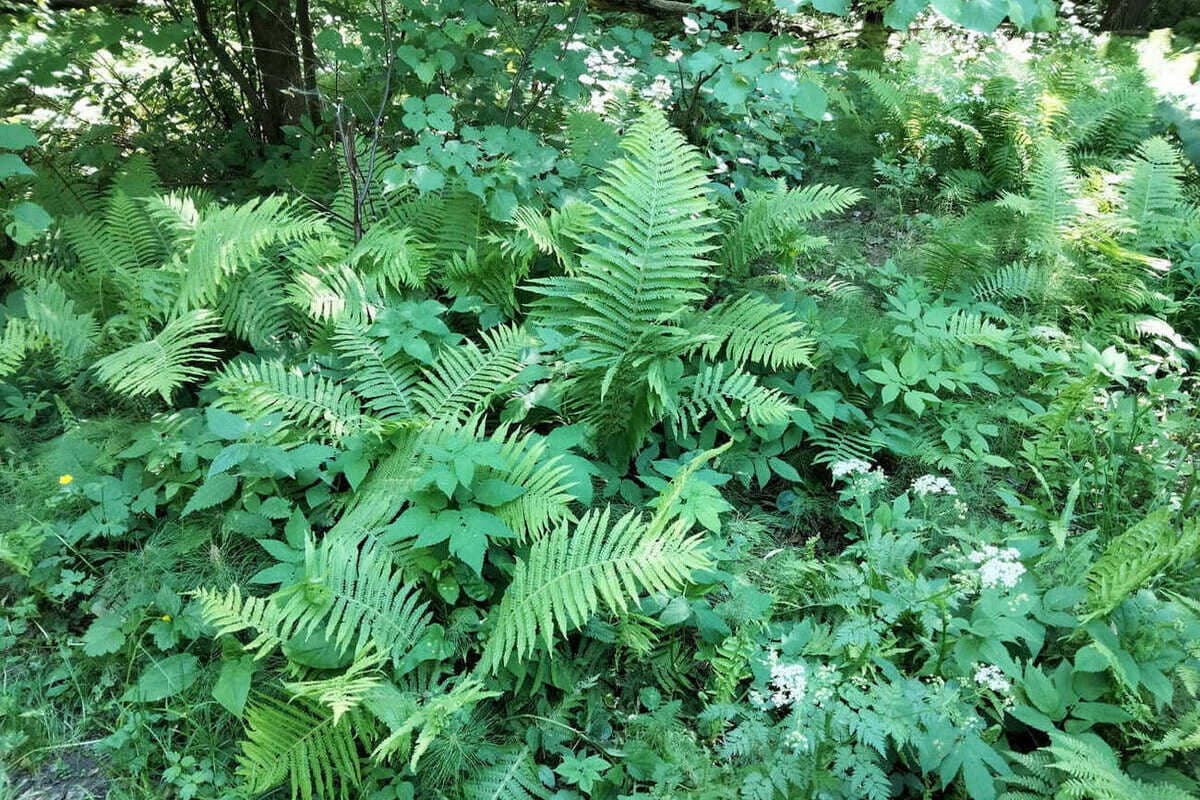
For the inhabitants of the Urals and Siberia, fern has long become a familiar part of the surrounding nature. Many do not even suspect that ordinary forest shoots are in great demand abroad. In Japan, South Korea and China, they are considered a valuable product and are actively used in national cuisine, writes the Zen channel “Talk about education”.
This is an eagle fern. It is harvested in Russian forests, then sent for processing and sale, including in Asian countries.
The harvesting season begins in May and June. At this time, young shoots do not yet have time to open the leaves and are of the greatest value to buyers. It is for such raw materials that local residents go to the forests. For some families, fern harvesting has become an additional source of income.
Work starts early in the morning. People collect young shoots, sort them and salt them. After that, the prepared raw materials are sent to processing enterprises.
In Japan, the eagle fern is called warabi. There it is used to prepare salads, side dishes and hot dishes. After special processing, the shoots acquire a taste that many compare with mushrooms and asparagus.
Especially highly valued fern collected in ecologically clean natural areas of Russia. However, it can not be used without pre-treatment. The fresh plant contains natural toxic substances, so it must undergo special training before cooking.
The main volumes of Russian eagle are sent abroad. There, raw materials are additionally processed, packaged and delivered to shops and restaurants. As a result, a significant part of the profit remains in the countries that buy Russian products.
At the same time, Russia has the opportunity to earn much more on ferns. To do this, it is necessary to develop your own processing and produce finished products. For example, to produce canned food, salads and other dishes in demand both in the domestic and foreign markets.
Such an approach would help not only increase export revenues, but also create additional jobs in regions where harvesting wild plants has already become a habit.
Interest in fern is gradually emerging among Russian buyers. It begins to be included in the menu of restaurants, as well as put up for sale in stores. However, the popularity that the eagle enjoys in Asian countries is still far away.
The story of an ordinary forest plant clearly shows that a valuable product sometimes grows literally underfoot. And while Russian pickers sell mainly raw materials, foreign producers earn on its further processing and sale of ready-made dishes.


