Battle for Africa: F1 returns to the black continent after 30 years
Rwanda will return F1 to Africa for the first time since 1993. The African Grand Prix will be held on a new track near Kigali from the early 2030s on a ten-year contract. The project is supported by Visit Rwanda and the authorities as an investment in tourism and the economy. This is the third African stage in the history of the championship after South Africa and Morocco. The decision was welcomed by Stefano Domenicali and Lewis Hamilton, noting the importance of the sport's presence on the continent.
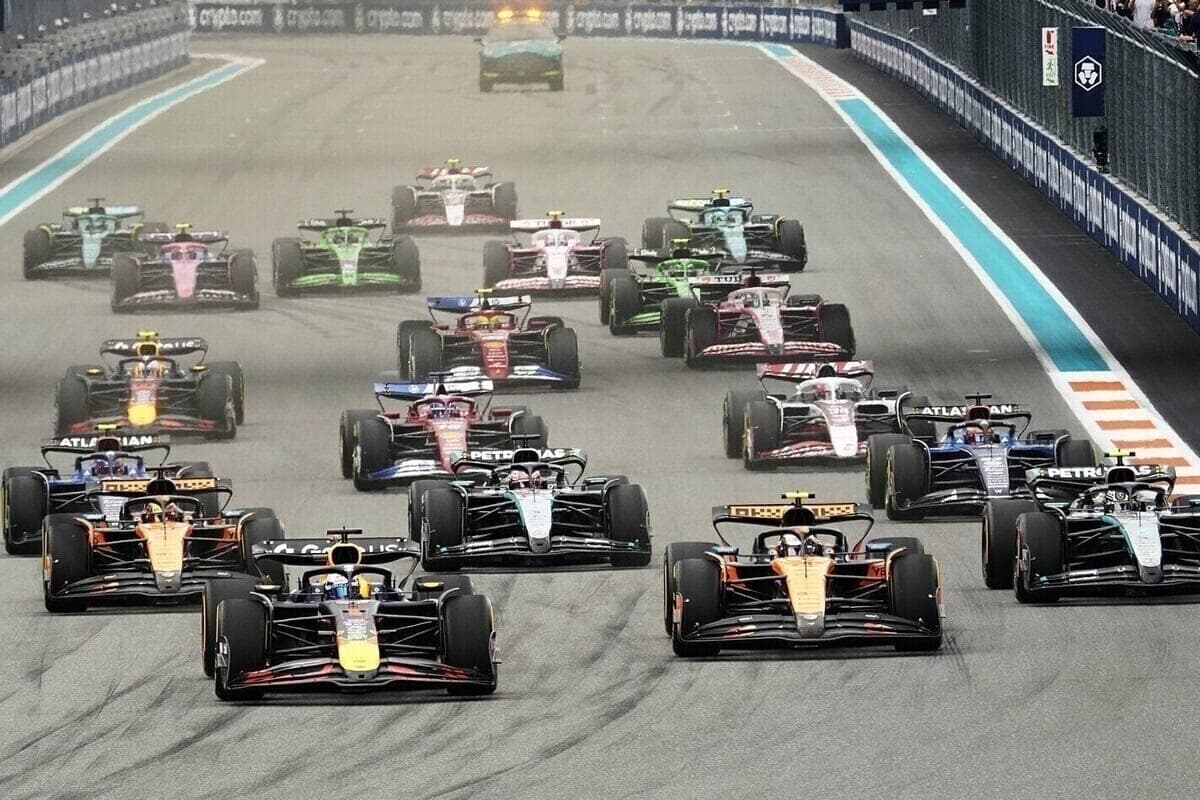
In the next decade, starting in the 2030s, the Formula 1 World Championships will again take place on the African continent. The signing of a ten-year deal with Rwanda was officially announced on Tuesday, marking the return of the sport to Africa for the first time since 1993.
The race will be called the African Grand Prix and will be sponsored by the national tourism initiative Visit Rwanda. The highway will be built next to the new international airport in the Bugesera area, located about 40 kilometers south of the capital, Kigali. The project of the first class circuit was developed with the participation of former Austrian racer Alex Wurtz and famous Formula 1 architect Hermann Tilke. Construction is expected to be completed by the beginning of the next decade. The track promises to be fast and smooth, with significant elevation differences, which will provide viewers with maximum proximity to action. According to the head of the Rwanda Development Council, Jean-Gui Africa, the facility will accommodate one hundred thousand people and will become a multifunctional complex suitable for year-round use as a concert and exhibition venue. He also noted that the initiative will be coordinated by the government with the support of the private sector, and its main goal is to consolidate motorsport on the continent on a long-term basis.
Formula 1 CEO Stefano Domenicali, speaking at a joint press conference with Rwandan President Paul Kagame and the head of the International Automobile Federation, Mohammed Ben Sulayem, called the event a momentous moment for all motorsport. He stressed that with the advent of the stage in Rwanda, the World Cup will be presented on every inhabited continent, which will bring the series unprecedentedly closer to a global audience. Domenicali added that Africa has always been seen as an important part of the future of F1 and the management of the series was focused on returning to the region with a reliable partner and a clear vision for long-term results. Particular attention was paid to economic and social prospects, including tourism development and investment inflows. He also noted that there are already more than 100 million F1 fans on the African continent, and this audience continues to grow rapidly.
The idea of holding a race in Africa finds a wide response among active athletes. Seven-time world champion Lewis Hamilton, who is now 41 and who is racing for the Ferrari team, has repeatedly raised the issue. Speaking to reporters in Singapore over the weekend, the pilot expressed confidence that the African Grand Prix was urgently needed, calling the continent the most important and beautiful.
In parallel with the Rwandan project, South Africa retains its ambitions, where the last race was held on the Kyalami circuit north of Johannesburg. Sports Minister Gayton McKenzie has admitted the possibility of holding stages in Cape Town or on the modernized Kyala, despite a dense calendar of 24 races. On his X social media page, he congratulated Rwanda on the successful conclusion of the talks, acknowledging that the East African country had been working on the bid longer. At the same time, the minister expressed hope that the rich calendar will allow organizing the South African stage, citing the recent practice of holding two Grand Prix in Italy in one season. Rwanda will be only the third African country in the history of Formula 1 after South Africa and Morocco, where the race was held in 1958 near Casablanca.
The return of Formula 1 is part of Rwanda’s ambitious strategy to use sport as a tool to attract global attention. President Paul Kagame, who announced his bid two years ago, sees the ten-year partnership as an investment in the country's future. According to him, the construction of the highway and the new airport will create jobs, attract qualified specialists and give a powerful impetus to tourism and business for decades to come. Summing up the significance of the agreement, President Kagame said the day rightfully belongs to Africa, as it marks the end of more than a thirty-year hiatus in hosting the continent’s premier world motorsport championship.
Kagame himself enjoys a reputation as a leader to whom Western and regional partners owe the end of the 1994 genocide and the subsequent economic recovery of Rwanda, which has turned it into an attractive investment area. At the same time, his policies are regularly criticized by human rights organizations, which point to the suppression of internal opposition and support for the M23 rebel movement in the neighboring Democratic Republic of the Congo, accused of serious human rights violations.
See the photo gallery on the topic
Visit Rwanda’s travel campaign is already well known worldwide for its massive sponsorship of football, basketball and cycling. The country has previously successfully hosted the 2023 FIFA Congress, the 2024 FIA Awards Ceremony and the 2025 UCI Road Cycling World Championship. Bringing the world’s attention to Formula 1 will be a new milestone in Rwanda’s integration into the global sporting agenda.