Scientists from Vienna and Beijing have created the world’s first nuclear clock
Scientific groups working separately in Vienna and Beijing have developed the world’s first operating nuclear clock. According to reports...
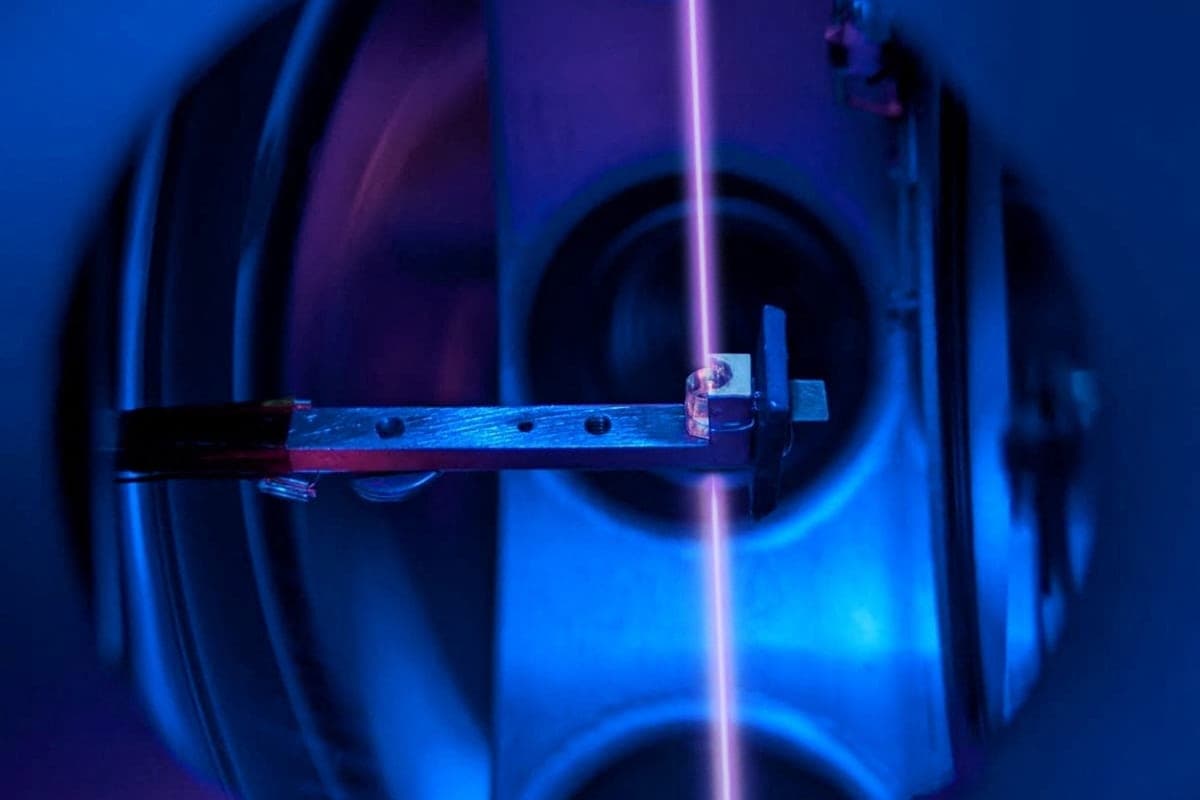
Scientific groups working separately in Vienna and Beijing have developed the world’s first operating nuclear clock.
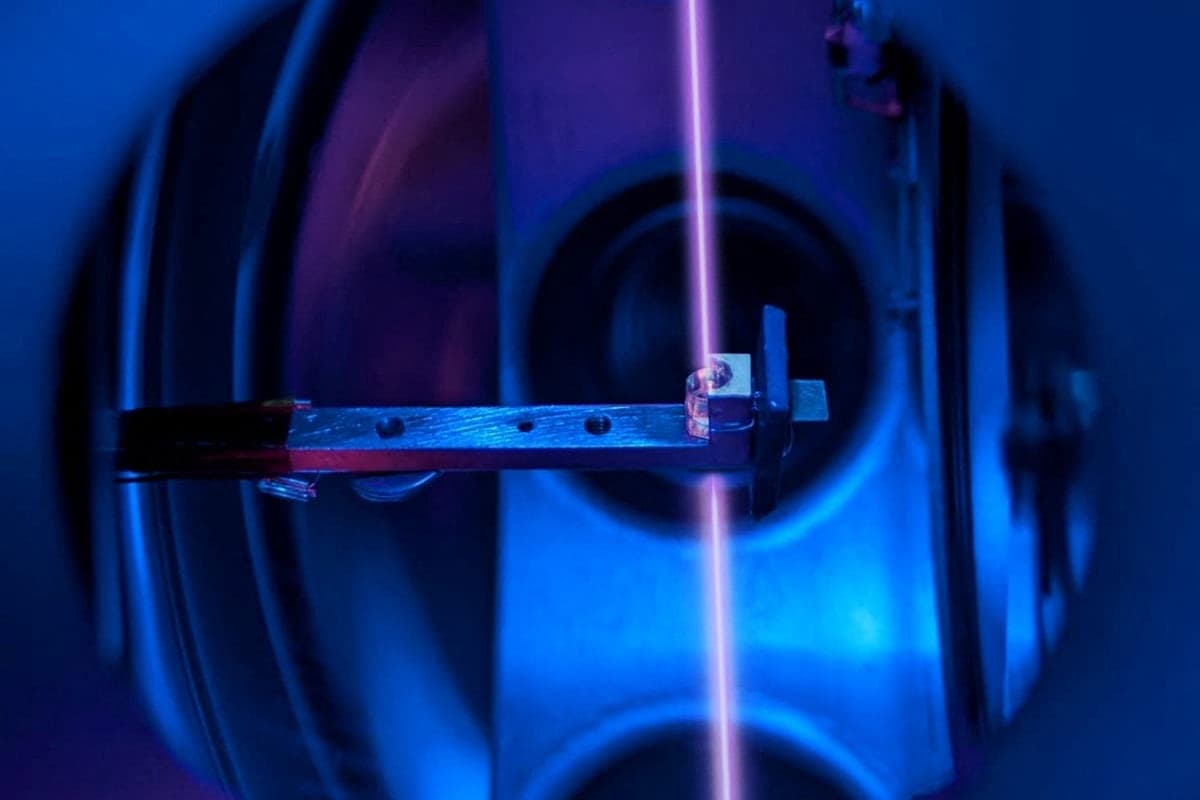
The two devices represent the next generation of atomic clocks, ultra-precise timekeeping devices first developed in 1949. Two research groups, describing their achievements in scientific articles, said that nuclear clocks have the potential to surpass the best conventional atomic clocks.
“They are called nuclear clocks not because they operate by nuclear fusion or fission, but because time is calculated by observing the interaction of light — a powerful laser — with the nucleus of an atom.” At the heart of the nuclear clock is a form, or isotope, of the element thorium, called thorium-229, enclosed in solid-state crystals of calcium fluoride.
One of the scientists said that, in his opinion, the nuclear clock can be used in areas such as satellite navigation, data synchronization, geodesy and metrology, that is, the study of measurements and their practical applications.
The two teams worked independently and obtained a working thorium-229 nuclear clock using different experimental approaches. I think this is very encouraging because it shows that the concept is reliable and does not depend on any specific technical implementation, said physicist Shiqian Ding of Tsinghua University in China, who helped lead the team working on the Beijing watch.
The best conventional atomic clocks can run for billions of years, losing or adding just one second. This ultra-precise work is crucial for applications such as global navigation satellite systems, the internet, cellular communications and fiber optic communications. The researchers believe that nuclear clocks, once perfected, can perform this task even better and can be less cumbersome and brittle.