U.S. court orders VK to adjourn Moscow case
A court in California has taken interim measures against VK and ordered steps to adjourn or suspend its claim in the Moscow Arbitration Court. Earlier, the Moscow court banned Apple from continuing proceedings against VK in the United States
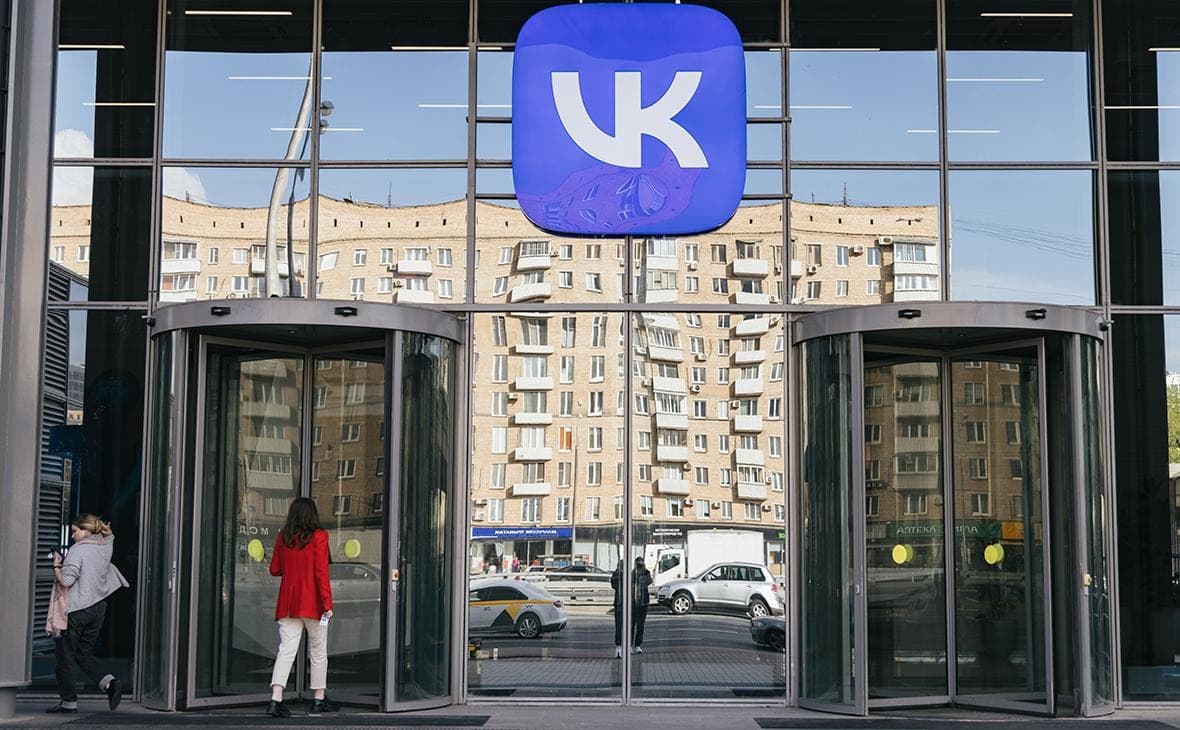
The Federal court for the Northern District of California granted the petition of Apple Inc. to take interim measures against VK, follows from the decision on the court website.
In its lawsuit, Apple claims that VK, by filing a lawsuit with the Arbitration Court of Moscow, violated the agreement that all disputes are resolved in the courts of California. As an interim measure, the plaintiff asked the court to prohibit VK from taking further actions in the Russian proceedings, obliging it to apply to the Moscow court with a request to adjourn or suspend the case. VK is not yet involved in the US trial.
A court in California decided that there were grounds for taking action because the treaty provided for a prorogation agreement. He also pointed out that the principle of international judicial comity to Russian courts would not be unduly affected, since it is a dispute involving a private company, and not a dispute on the application of international law or involving a state person. The decision also said that VK had started the Russian proceedings earlier, but that this was not crucial as it was a violation of the prorogation agreement.
A prorogation agreement is an agreement between the parties to refer an existing or future dispute to a specific court (state, arbitration or foreign).
Apple’s developer license agreement provides that disputes with the company are considered under American law in the courts of the Northern District of California. For proceedings involving "European relations," the document specifies the courts of Ireland and the application of Irish law.
The Federal Court for the Northern District of California also ruled that the Russian company must take all necessary steps to request and obtain from the Moscow Arbitration Court an immediate adjournment or suspension of its claim. The decision states that VK must submit the request no later than three court days after receiving notice of the ruling. Having received the decision of the Arbitration Court of Moscow, the company must send a notice of it to the Federal Court for the Northern District of California within two court days.
VK declined to comment.
The dispute between the companies began after Apple removed VK apps from the App Store in late June. The company explained this decision by the need to comply with sanctions rules. VK said that the holding is not under sanctions, and the applications were removed without warning. In August, VK appealed to the Moscow Arbitration Court with a demand to return its apps to the App Store and restore the ability to receive notifications from them.
At the end of October, the Moscow Arbitration Court took interim measures on VK’s claim and banned the American company, its subsidiaries, including Apple Distribution International and Apple Rus LLC, as well as their representatives, from continuing proceedings with VK in the Northern District Court of California. Apple was also ordered to take all necessary measures within seven days to terminate this process, including the withdrawal of the claim, before the Russian court decision comes into force.
The Russian court pointed out that on October 20, Apple appealed to the American court with an anti-claim statement: the company demanded to recognize the validity of the clause of the license agreement on the choice of court and prohibit VK from conducting proceedings outside the Northern District of California. The next day, a US court granted Apple’s request for a temporary restraining order. The Russian court considered that Apple’s actions could violate VK’s interests and complicate the implementation of a future decision in the case.
In response, Apple filed with the Arbitration Court of Moscow an application to cancel interim measures on the claim of VK – a ban on continuing litigation in an American court.