
Buryatia, Tuva, Altai and Transbaikalia adjusted development strategies: plans became lower, but more realistic
Strategic planning in the Russian regions of Inner Asia - the Republic of Altai, Tuva, Buryatia and the Trans-Baikal Territory - has passed two stages of development
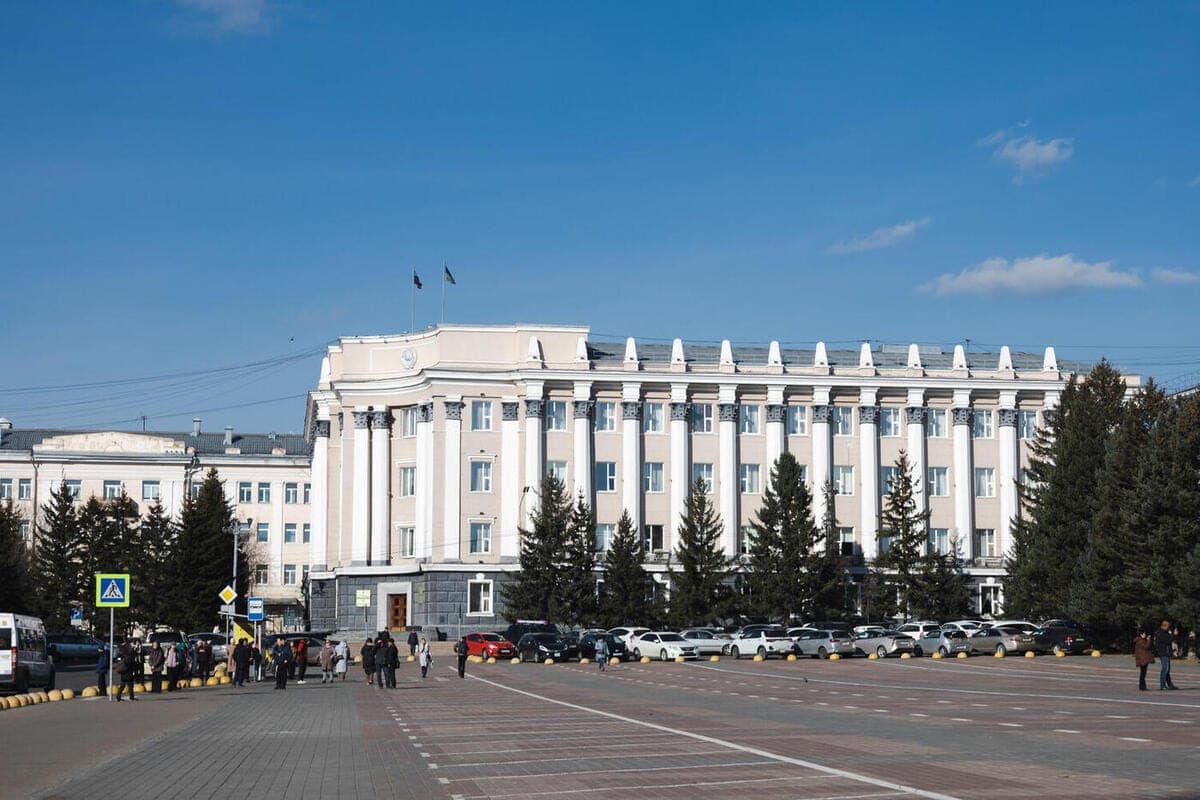
Strategic planning in the Russian regions of Inner Asia - the Republic of Altai, Tuva, Buryatia and the Trans-Baikal Territory - has passed two stages of development, says A. B. Munkodugarova, author of an article published in the scientific journal "Eastern Azimuth: Economics, Sociology, Ethnology". The study shows that the strategies of the first wave suffered from inflated and difficult to achieve targets, and the strategies of the second wave recorded a qualitative shift in the approach of regions to planning.
All four regions combine not only geographical location and similar climatic conditions, but also common structural problems. These are the raw materials orientation of the economy, low population density, transport isolation, a high level of subsidization of budgets. In terms of gross regional product per capita, they rank 66th, 81st, 73rd and 36th respectively.
The first strategies in the studied regions were adopted from 2007 to 2013. Most of these documents were repeatedly updated due to changes in the socio-economic situation, which, according to the researcher, indicates a violation of the very principle of long-term planning. The main planned indicators – GRP, industrial production and agriculture, investment in fixed assets, real money incomes of the population, the unemployment rate and the share of the population with incomes below the subsistence minimum – were not achieved. The main goal of the first wave of strategies, namely improving the well-being of the population, was not realized.
Comparative analysis of the dynamics of the main indicators with the average Russian level allows us to state positive changes in the socio-economic situation of the regions after the adoption of the strategies of the first wave. The most noticeable progress was shown by the Trans-Baikal Territory, which increased the GRP per capita from 49.1 to 72.4% of the national average. In the republics of Altai and Tuva, a moderate increase was recorded, and in Buryatia, on the contrary, the relative indicator decreased from 61.5 to 48.0%. Despite the positive dynamics in the social sphere - the reduction of poverty and unemployment - the systemic lag of the regions of Inner Asia from the average Russian level persists.
Since 2017, the regions have begun developing new strategies until 2030 and 2035. Unlike previous documents, the new strategies have lower targets. The decline is due to a sharp increase in international instability, the emergence of new challenges such as the COVID-19 pandemic, and the adoption of federal strategic documents – national goals until 2030. In the selection of priority sectors, the second wave strategies demonstrate a shift in emphasis from high expectations to more realistic and resource-rich projects. In particular, Buryatia moved from a cluster model to point “growth drivers” – aircraft construction, biopharmaceutics, tourism, IT and green energy.
Individual development programs for ten regions with low budget security, including the Republic of Altai and Tuva, became an important tool for implementing strategies. Programs of the first cycle confirmed their effectiveness: 86 events were implemented in the two regions, 2.8 thousand jobs were created and 5.4 billion rubles of investments were attracted. From 2025, a new six-year cycle began with the volume of federal funding up to 60 billion rubles. At the same time, individual programs are not linked to the normative acts establishing the foundations of state policy for regional development and strategic planning, which is a significant drawback.
Since 2020, the Republic of Buryatia and the Trans-Baikal Territory have been included in the National Program for the Development of the Far East, which opened access to new tools – priority development territories, “Far Eastern mortgages”, infrastructure subsidies. For Buryatia, the modernization of the Ulan-Ude Aviation Plant, the creation of an industrial technopark, the development of the Baikal Harbor SEZ and the Mamay resort, and so on, are envisaged.
The author concludes that the systemic problems of strategic planning in the regions of Inner Asia are not unique, but reflect all-Russian shortcomings: the gap between target targets and resource support, the plurality of uncoordinated documents, the ineffectiveness of methods for assessing effectiveness, the institutional isolation of support tools. Resolving these problems requires not spot adjustments, but a systemic reform of strategic planning in Russia.
