
France and Germany have found a formula for saving the automotive industry
Paris and Berlin have agreed on joint steps to help Europe’s auto industry transition to clean modes of transport. The statement was distributed by the press service of the cabinet of Germany.
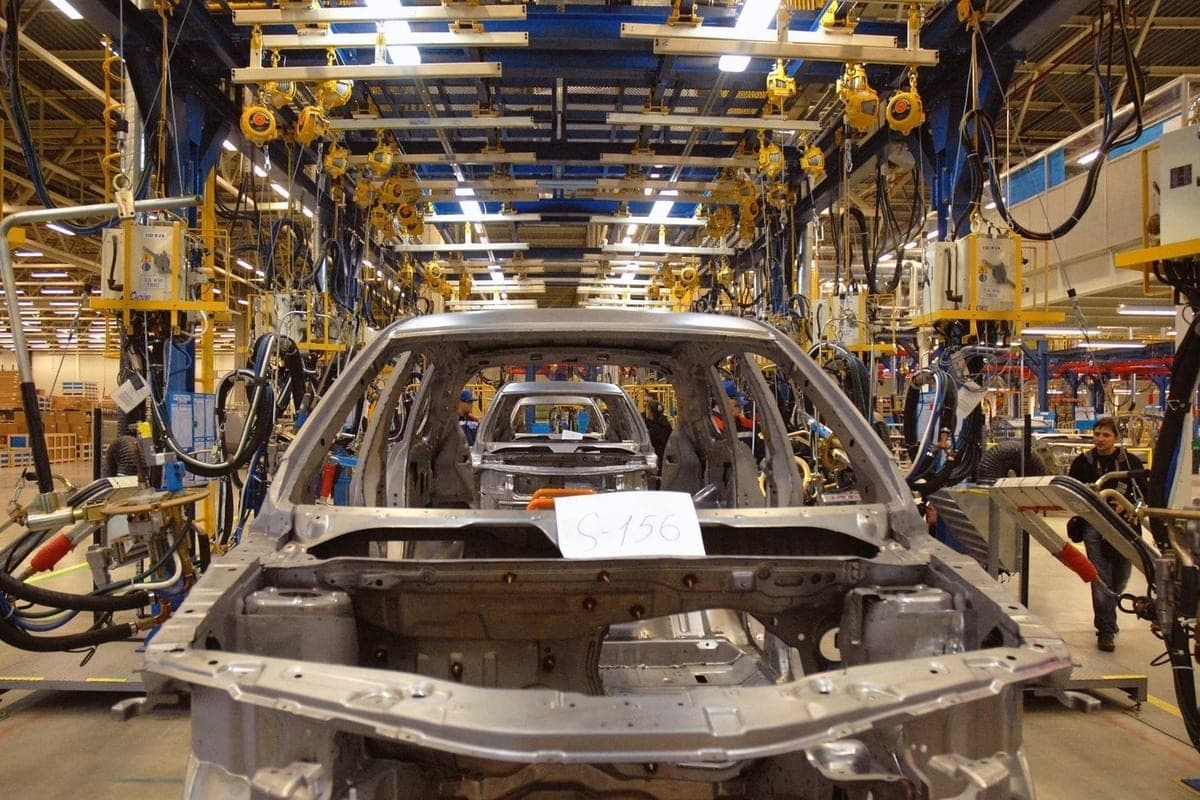
Paris and Berlin have agreed on joint steps to help Europe’s auto industry transition to clean modes of transport. The statement was distributed by the press service of the cabinet of Germany.
The text says that both countries want to restructure the industry without abandoning climate goals and preserving the production of future cars in Europe. The course remains the same, reducing carbon dioxide emissions and at the same time increasing Europe’s ability to build and produce next-generation electric cars.
According to the parties, the European priority rule should in practice link the transition to clean mobility with the growth of investment, innovation and output in France, Germany and other European countries. For this, Paris and Berlin offer a wide range of steps. It combines a rigid European decarbonisation schedule with regulatory flexibility that takes into account technology neutrality and current market conditions. The project has incentives for investment, research, location in Europe and sustainable supply chains.
This balanced approach will enable the EU to protect the climate without losing its technological independence and position in the global market. Paris and Berlin intend to use the agreement to quickly agree on a common position with all European partners. The European automotive industry is able to compete, introduce new and reduce the carbon footprint, producing products in Europe and creating jobs of the future.
German Chancellor Friedrich Merz called the day a good day for motorists and for the preservation of jobs in Germany, France and Europe. In X, he wrote that, together with French President Emmanuel Macron, he agreed on a set of steps that ensure freedom of choice, neutrality on technology and compliance with climate goals. Merz sees this as a signal to the industry of willingness to invest.
So far, France has resisted any easing of the ban on cars with internal combustion engines. In December last year, the European Commission proposed to allow the registration of new cars with internal combustion engines in the EU after 2035. This would effectively mean a departure from the previously agreed complete abandonment of such engines. The proposals are now being considered by the European Parliament and the Council of EU Member States. Without the approval of both bodies, they will not be able to enter into force.
Hackers attacked the salons of a large automaker and siphoned up customer data
Reliable news is always at hand - in the channel "MK" in MAX
