
Russians are used to living in debt: loans have become part of everyday life
According to VTSIOM, 86% of Russians in the last three years at least once, but used borrowed funds
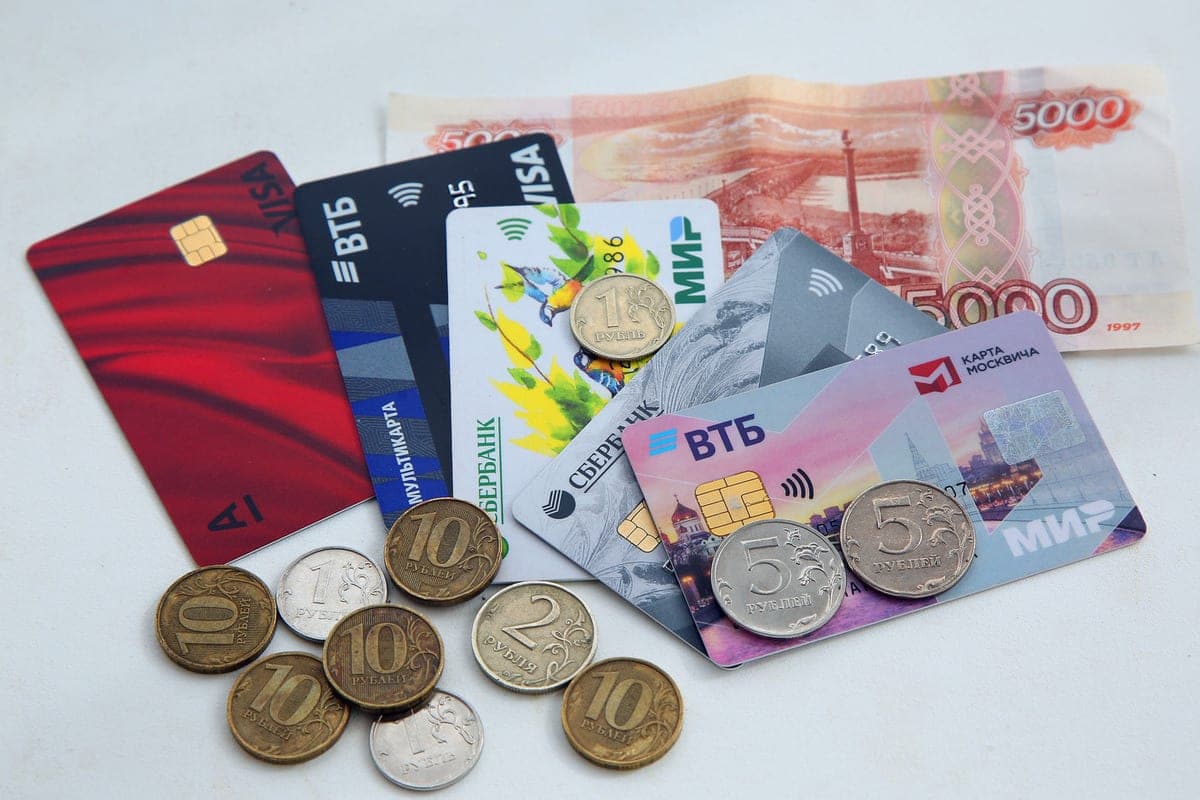
Credit cards, consumer loans and installments have become common financial instruments. With their help, they buy equipment, pay for repairs, treatment, and sometimes just reach the salary. However, the massive spread of lending does not mean that Russians are comfortable with debt. According to VTSIOM, 63% of respondents consider a loan to be an extreme measure that is best avoided. Only 30% call it a convenient financial instrument. At the same time, 57% used credit cards, and 41% took consumer loans.
How can we interpret the data obtained by sociologists? Alexey Voylukov, an MBA professor of digital finance at the Presidential Academy, believes that 86% is not evidence of debt addiction. Three years is 2023-2026, the period of the credit boom of 2023-2024. In addition, prices for machinery, repairs and cars grew faster than income. Borrowed money has become a part of everyday financial infrastructure like mobile communications. But this does not mean that people consciously choose life in debt. For those who do not have a financial cushion, the loan has turned into a backup mechanism, the expert explains.
According to Voylukov, the popularity of credit cards is explained by the availability and grace period. A person receives a limit and feels protected against unexpected expenses.
Independent economic expert Vyacheslav Abramov believes that for part of the population, loans have become a way to maintain the usual level of consumption. " The rise in daily spending often outpaces the increase in wages. Therefore, borrowed funds for some families become an opportunity to cover basic needs, not just make a large purchase. Psychologically, people continue to perceive credit as a forced measure, although economically they are increasingly using it for current expenses, Abramov said. Moreover, after the tightening of banking requirements, some borrowers who are denied consumer loans switch to credit cards and microfinance organizations.
Maria Yermilova, associate professor of the Plekhanov REU, also notes that lending has become a tool for everyday consumption. Credit cards and POS installments are used to pay for groceries, medicines, utilities and other running expenses. Their popularity is attributed to rapid approval, renewable limit and grace period. But there is an illusion of free money. After the end of the grace period, rates can reach 40-60% per annum. If the borrower makes only minimal payments, he risks paying interest for years, practically without reducing the principal debt, Yermilova warns.
The basis of borrowers, according to Abramov, are economically active citizens of 25-45 years. The danger lies not so much in the fact of obtaining a loan as in the accumulation of liabilities. According to Voylukov, half of retail debt accounts for people with three or more loans.
Mass lending is not exclusively a Russian feature. Kirill Komalenkov, Director of Strategic Communications at Bitbanker, suggests assessing not only the amount of debt, but also the ability to service it. In the United States, Canada, and several European countries, total household debt relative to GDP is significantly higher than Russia’s. However, debt sustainability is primarily determined by the ability to service debts. In Russia, at a key rate of 14%, new loans remain expensive, so families with low or unstable incomes are especially vulnerable.
How dangerous is it to include credit payments in a family budget? According to Yermilova, this habit normalizes a high debt load. If the monthly payment is perceived on a par with utility expenses, a person may stop forming savings. Illness, job loss or reduced income in this case quickly lead to delay.
Voilukov believes that moderate leverage is normal for a developed financial market. But if debt payments take half or more of the income, the situation becomes risky. The expert attributes the debt load indicator (PDN) above 50% to the risk zone, and above 80% to the critical one. To calculate, you need to divide the amount of monthly payments on all loans by monthly income.
The main sign of the debt trap, according to Komalenkov, is the need to take new loans to repay old ones. Abramov adds to this the lack of savings and the constant making of minimum payments on credit cards.
Therefore, credit in itself does not mean financial problems. But if borrowed funds become a constant source of covering everyday expenses, and there is no free money to pay off debts and savings, financial insurance becomes a debt trap for citizens.