How do we fill the consumer basket?
The tense agricultural year in Belarus and Russia is already at the finish line. And since the harvest in autumn is counted, our correspondents decided to look into the allied bins:.
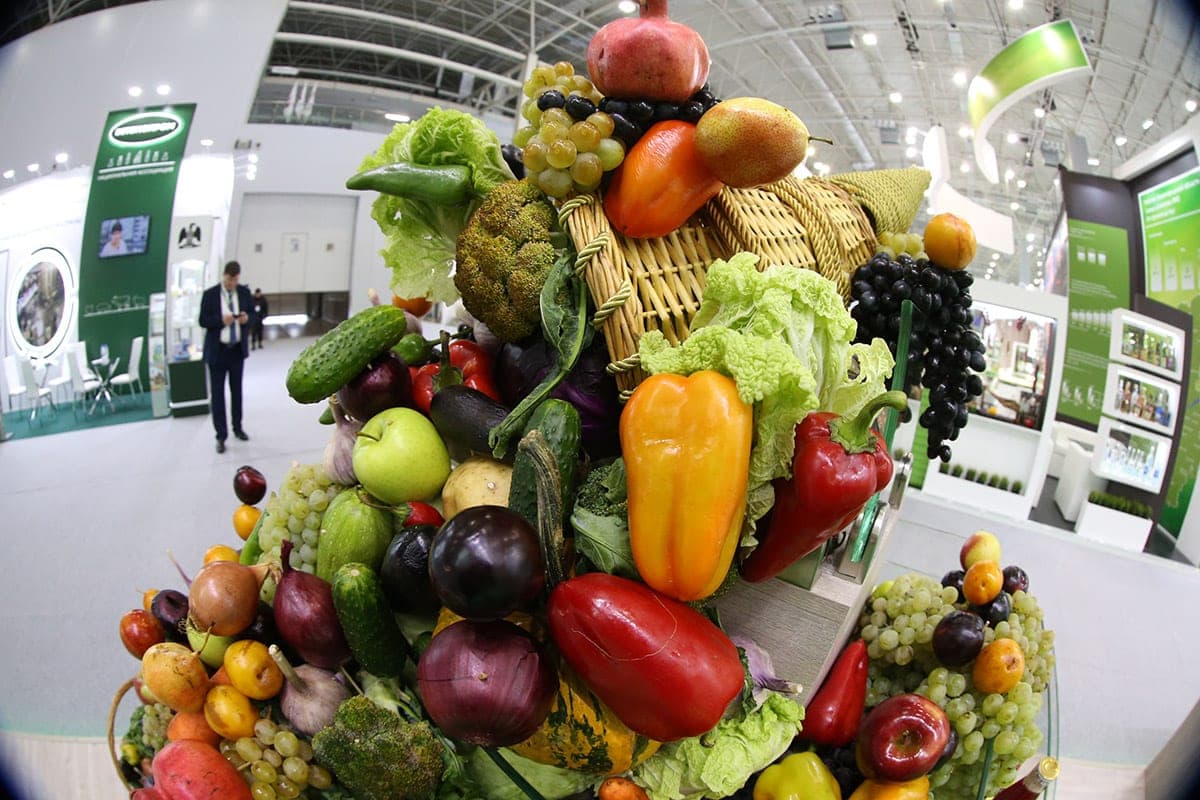
The tense agricultural year in Belarus and Russia is already at the finish line. And since the harvest in autumn count, our correspondents decided to look into the allied bins: how full they are and what will be on our common dining table.
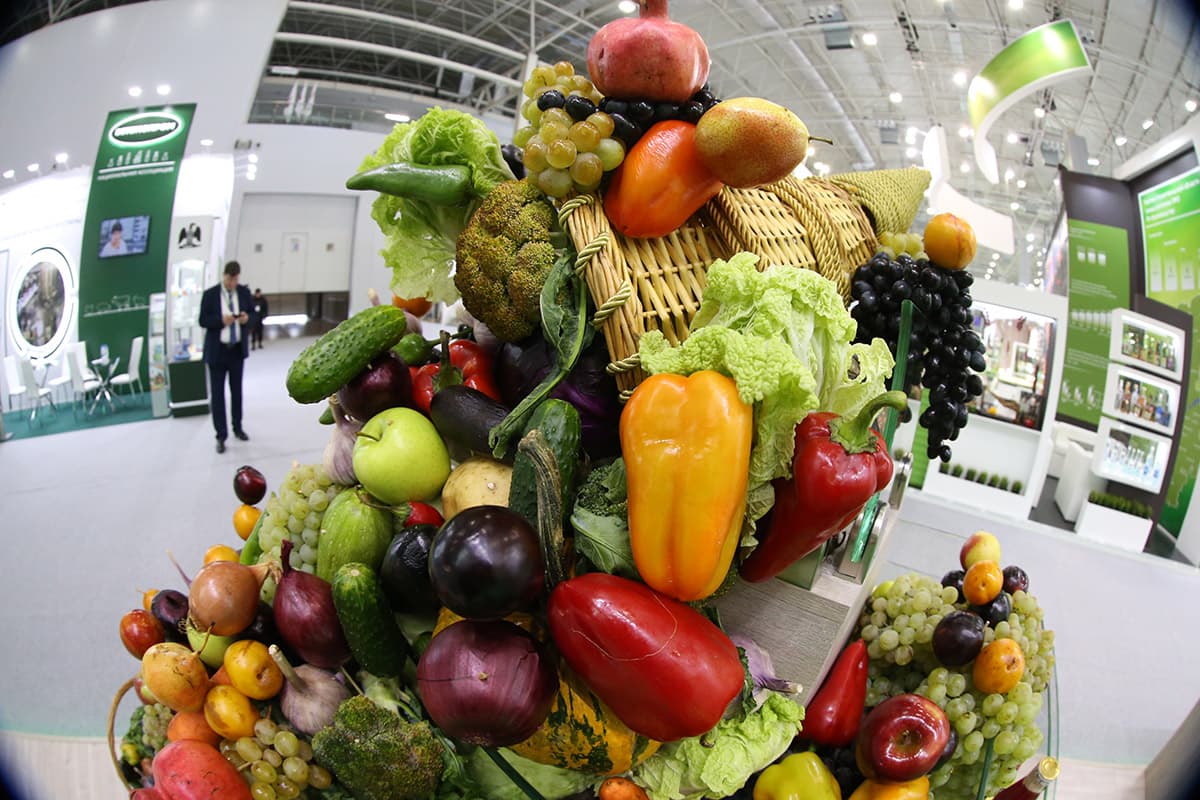
WHAT IN BELARUS
The first concern, of course, is bread. According to the Belarusian Ministry of Agriculture, more than 11 million tons of grain have already been harvested in agricultural organizations and peasant farms, taking into account rapeseed and corn. Excellent result – broke last year’s record.
What about the second bread? On average, 335 centners of potatoes are received per hectare - 22 more than last year. At the beginning of November, 735,000 tons were dug up. In fact, much more, since potatoes in Belarus are massively grown not only farms of all forms of ownership, but also rural residents, summer residents. The vegetables of open ground - beets, carrots, cabbage collected about 160 thousand tons. A hectare of plantations receive 317 centners of products - significantly higher than last year. The apple harvest was also unprecedented.
Another important crop is sugar beets. Its cleaning is almost completed, more than 5 million tons of root vegetables have been dug up. At least 700 tons of sugar, the most important ingredient of the food industry and food exports, should be obtained from the current crop.
The agricultural year and livestock breeders are successfully completed. The numbers are encouraging.
1390.4 thousand tons of livestock and poultry meat (in live weight) were produced – 5% more than in January-September 2025; 6981.7 thousand tons of milk (2.8% more); 2589.3 million eggs (plus 1.5%). In general, for nine months in farms of all categories, the production of agricultural products in current prices amounted to 31.4 billion Belarusian rubles and increased by 4.6% compared to the same period last year in comparable prices, the National Statistical Committee reported.
“The key factor of food security is ensuring the availability of affordable food products on the shelves, which we produce in the country,” said Deputy Minister of Agriculture and Food Igor Dorofeychik. The indicators here are potatoes, meat, milk. We can safely say that we are 100% provided with potatoes, vegetables, more than 100% with meat, milk produces about 300 % of demand.
Now the main thing is to preserve the grown. Therefore, carefully, using modern technologies, throughout the country is laying vegetables and fruits in stabilization funds. The approximate volumes are determined in the spring. Each enterprise is given a harvest plan depending on the expected harvest of vegetables and fruits.
For the upcoming off-season, the country will need about 150,000 tons of fruit and vegetable products to ensure trade, catering, hospitals and other institutions. For example, in the vegetable stores of the capital agricultural plant "Zhdanovichi" its laying began during the harvest period. Potatoes, carrots, cabbage, beets, apples from refrigeration chambers will be supplied including in their brand stores.
The successful work of the agricultural sector allows to increase exports of agricultural products to dozens of countries - up to $ 11 billion this year, which is a billion more than last year. The main buyer is Russia. Cooperation has already outgrown the usual supply of products and reached the level of production cooperation aimed at the future. Our countries are creating a single digital platform for red dairy cattle. It will become a tool for tracking the genetic potential of livestock, exchange of breeding material, and lay the scientific foundation for the accelerated development of meat and dairy cattle breeding in the Union State.
WHAT'S IN RUSSIA
The total harvest of agricultural products this year in the Union State does not create grounds for a shortage of individual goods, a sharp rise in food prices, experts of Soyuz agree. However, in order to control particularly sensitive categories – potatoes, eggs, poultry, dairy products and sugar – systemic measures are needed to store, store and manage stocks.
The grain harvest in Russia is projected at 140 million tons. This is above the average for the last seven years. However, good harvests are not directly related to consumer prices. “Without the expected margins, it is more difficult for farmers to buy seeds, to upgrade equipment. This may eventually affect production volumes, notes Artem Ponomarev, CEO of Partner-M, a Russian manufacturer of ingredients for the feed and food industries.
The structure of the crop is important. Take the example of “second bread” – potatoes, the harvest in Russia on October 1 was 8.7% lower than last year. “The harvest is lower, the producer's selling prices have risen. But the main risk is the lack of modern storage facilities: the shortage of storage capacity is estimated at two to three million tons. This is the classic premise of "cheap October and expensive spring." At the same time, the base scenario does not suggest a repetition of last year’s peak of 90 rubles / kg, says economist Maria Dobrina, associate professor of modeling and system analysis at the Faculty of Information Technology and Big Data Analysis at the Financial University under the Government of Russia.
What about the other goods? Dairy products – from November 1, a number of manufacturers have notified chains of a 3-11% increase in selling prices due to a rise in the price of raw milk by about 15% since the beginning of the year. Sugar is the opposite situation: there is no physical shortage, the risk is rather in low profitability and a reduction in acreage, which can give rise in prices in the medium term, if the trend is fixed. The egg is an annual growth of 18.3% with a moderate monthly dynamics (+1.3% in October): this is more catch-up inflation, rather than an acute deficit, as in 2023. Russia and Belarus have well-established mutual support mechanisms to ensure the food security of the Union State, economist Sergey Tolkachev said. But we need a full-fledged joint agro-industrial policy with a unified system of forecasting production and consumption, operational redistribution of products, says Artem Ponomarev. A unified doctrine of food security of the Union State, including coordinated protective duties from third countries and a common strategy for the development of agro-exports, adds Sergey Tronin, Candidate of Economic Sciences.
Vladimir Bibikov, sob@sb.by
Alena Uzbekova, soyuzbr@rg.ru