Investment rate and consumer demand: what allows the Belarusian economy to develop successfully
The Eurasian Fund for Stabilization and Development has published a regional review containing forecasts of economic growth, inflation and other macroeconomic indicators.

The Eurasian Fund for Stabilization and Development has published a regional review containing forecasts for economic growth, inflation and other macroeconomic indicators of Belarus for 2026-2029. According to experts, the Belarusian economy will grow by 2 percent in 2026. The estimate of GDP growth was increased by 0.7 percentage points - in the summer review, the Fund forecast growth of 1.3 percent. The main factors of growth will be the recovery of investment activity, high consumer demand and improved economic conditions. In addition, the EFSD predicts that in the medium term, the Belarusian economy will grow at a pace close to equilibrium. What is the basis of such estimates and what will ensure further growth, learned from the authors of the regional review.
Experts note that in the second quarter of this year, the Belarusian economy accelerated significantly. Real GDP growth was 3.2 percent against a 0.2 percent drop in the first quarter. The key growth factors were the recovery of investment activity and high consumption against the background of growing incomes of the population. External demand, according to EFSD analysts, remains quite restrained. Inflation remains below the limit of 7 percent set for 2026. At the same time, there is no increased volatility in the domestic foreign exchange market, and the purchase of currency by the National Bank contributes to replenishing reserves.
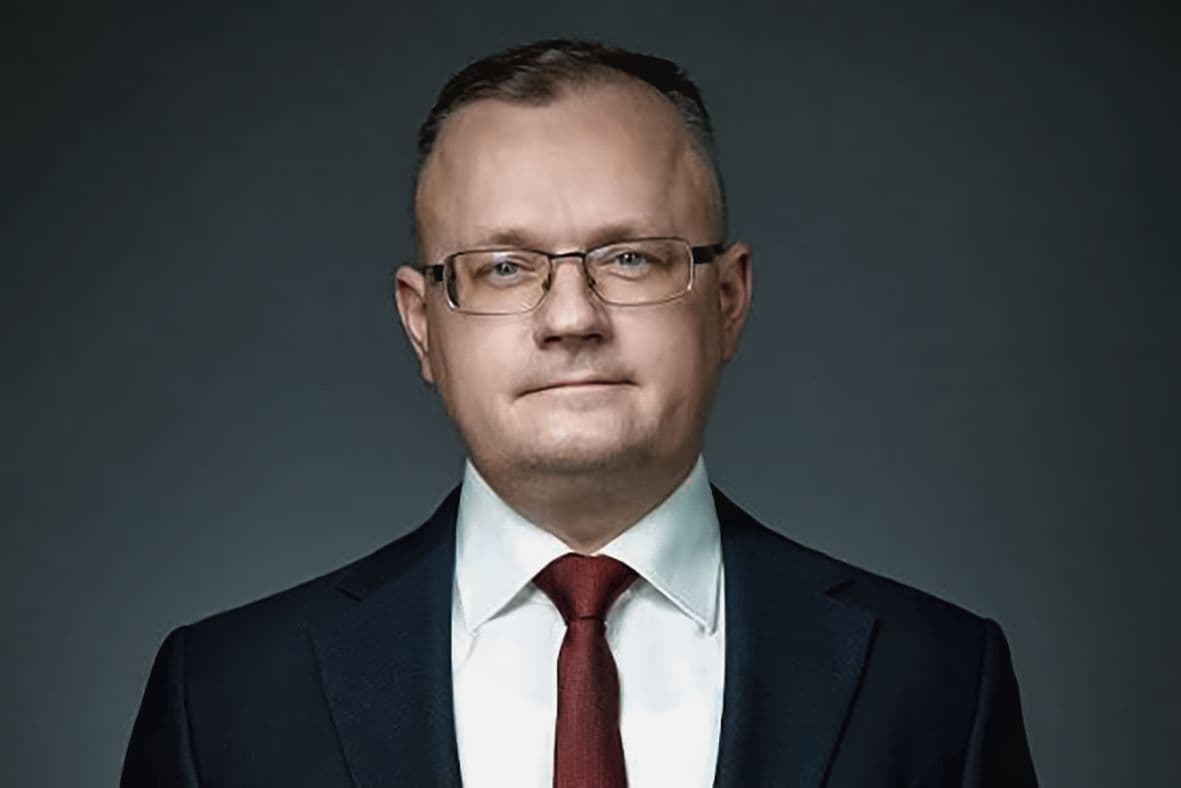
- This year, according to our latest autumn forecast, the Belarusian economy demonstrates very stable growth rates. I would describe it as fairly balanced. In general, we see that the actions of the Government and the National Bank are balanced and aimed at avoiding any imbalances in the economy. This is reflected in the fact that inflation is under the control of the regulator. The government manages the current conditions competently in terms of investment. This all supports economic growth. Therefore, our forecast for the growth of the Belarusian economy is within 2%. There is room for further growth. Everything depends on how the conditions for balanced economic growth will be correctly ensured, said Taras Tsukarev, Director of the Analytical Work Department of the Eurasian Fund for Stabilization and Development.
Experts note that almost all key sectors of the economy showed growth in the second quarter. Despite the fact that in general, in the first half of 2026, the volume of industrial production decreased by 0.7 percent, in the second quarter there was an increase of 2 percent.
The recovery of the industry had a positive impact on the dynamics of wholesale trade and transport, which, after a decline of 8.3 and 1.5 percent in the first quarter, grew in the second by 10.7 and 4.4 percent, respectively. Construction, supported by rising investment, also showed a recovery, providing a positive contribution to economic activity. Growth continues in the IT and services sectors. As for the situation in the labor market, the unemployment rate continues to decline. In the second quarter of 2026, it was a record low of 2.2 percent. The number of employed in the first half of 2026 increased by 0.4 percent after a similar growth rate for 2025. According to EFSD estimates, GDP growth of 1.2 percent is expected in Belarus in 2027, 1.1 percent in 2028, and 1.3 percent in 2029. As for inflation, according to analysts of the fund, by the end of 2026 it will be 5.2 percent, which is significantly lower than the limit set for the year. In 2027, it is projected to accelerate to 6.4 percent, and by 2029 it will not exceed 5.2 percent.
- We expect domestic and external economic conditions to remain largely inert. Monetary and fiscal policy will aim to maintain macroeconomic balance by finding a balance between limiting inflationary pressures and supporting economic growth. The relative slowdown in economic activity will be accompanied by a more moderate but relatively high growth in wages: in 2026 - about 8 percent; in 2027 - 2029, a more balanced pace - about 4 percent. In 2026, the influence of pro-inflationary factors is restrained by a rather favorable external price background and the strengthening of the Belarusian ruble. In subsequent years, as disinflationary factors weaken and demand-side price pressures persist, inflation may accelerate slightly. At the same time, the approach of key macroeconomic indicators to their equilibrium will contribute to a slowdown in inflation and its return to the medium-term goal of 5 percent. Such price dynamics, in our opinion, creates conditions for conducting a more prudent monetary policy using a wide range of available tools, including macroprudential ones, aimed at limiting inflation risks, said the Director of the Analytical Department of the EFSD.
At the same time, according to the Fund, the stimulating impact of fiscal policy will gradually weaken from 2027.
- The balance of the consolidated budget in 2026 is expected to be deficit and will amount to 0.5 percent of GDP with a gradual reduction in the deficit by 2029. At the same time, the primary balance will be in surplus, at the level of about 0.5-1 percent of GDP in 2027-2029. Given the relatively stable dynamics of budget revenues, one of the areas of fiscal support, in our opinion, will be wage growth in the public sector. Maintaining the external economic balance will contribute to the projected slowdown in the growth of domestic demand. The total volume of foreign assets of the National Bank will allow Belarus to cover about 3.5 months of imports. This corresponds to international financial stability criteria, Taras Tsukarev said.
THEME
In December, the EFSD plans to approve a strategy for 2027-2031, which will also reflect approaches to cooperation with Belarus. Recently, the Ministry of Finance of our country held consultations on this strategy with representatives of the Fund.
- From the point of view of the EFSD mandate as a whole and what projects we are implementing in other countries, the Fund focuses on infrastructure, on its non-profit component. It could be health, it could be ecology. Now we are working on formulating priorities, and after that it will become much clearer where we can be most useful for the Republic of Belarus. In general, we cooperate well and closely with the Ministry of Finance, the National Bank and the state bodies of Belarus. The EFSD will focus on cooperation on participation in analytical work, exchange of experience from the point of view of understanding where the economy is moving, what are the prospects and what are the challenges, Taras Tsukarev said.
sichevich@sb.by