The world grain harvest is declining. Find out which cultures are under threat
Why the world’s cereal harvest is falling and how it threatens consumers around the world The Food and Agriculture Organization of the United Nations...
Why the world’s cereal harvest is falling and how it threatens consumers around the world
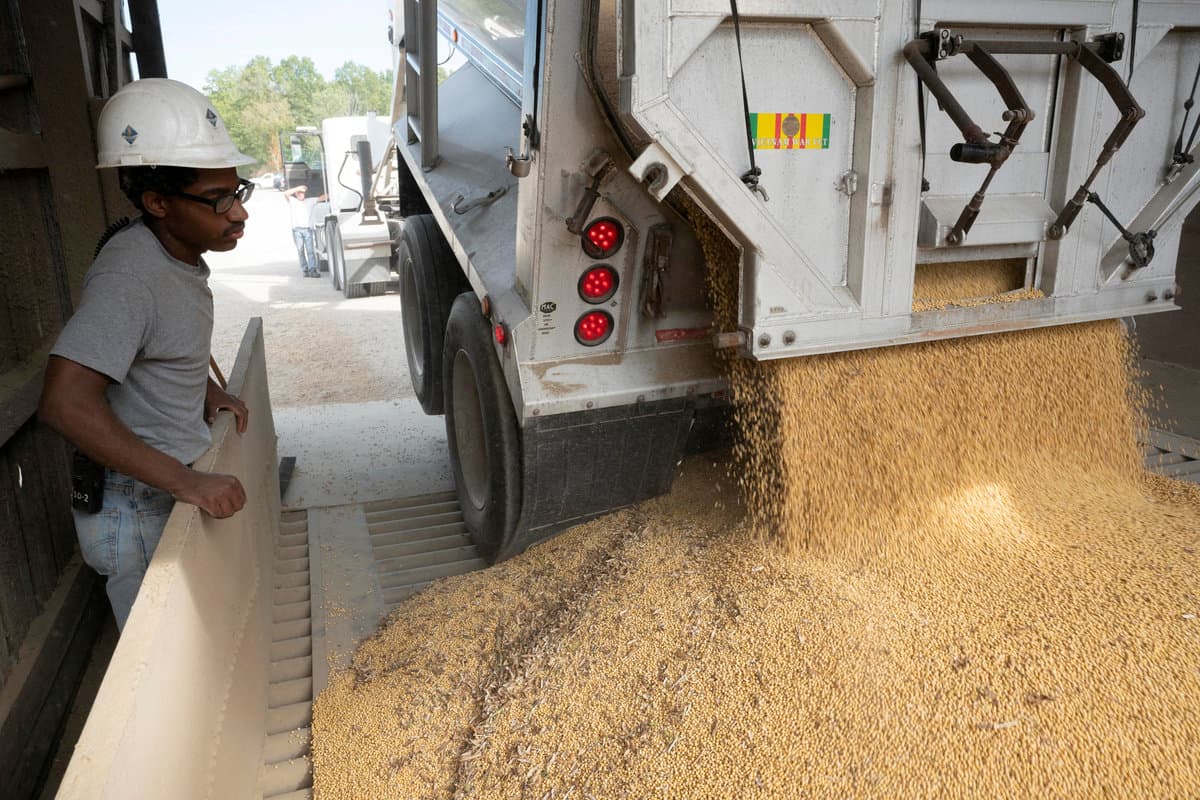
The Food and Agriculture Organization of the United Nations recently issued a disappointing forecast. The world cereal harvest this year will be less than last year. We are talking about a decrease of 61 million tons. This is the biggest drop in 8 years. In absolute terms, the harvest is still huge, almost 3 billion tons, and it could be the second in history. But the fact that growth has been replaced by a fall says a lot. A world accustomed to abundance begins to count ears.
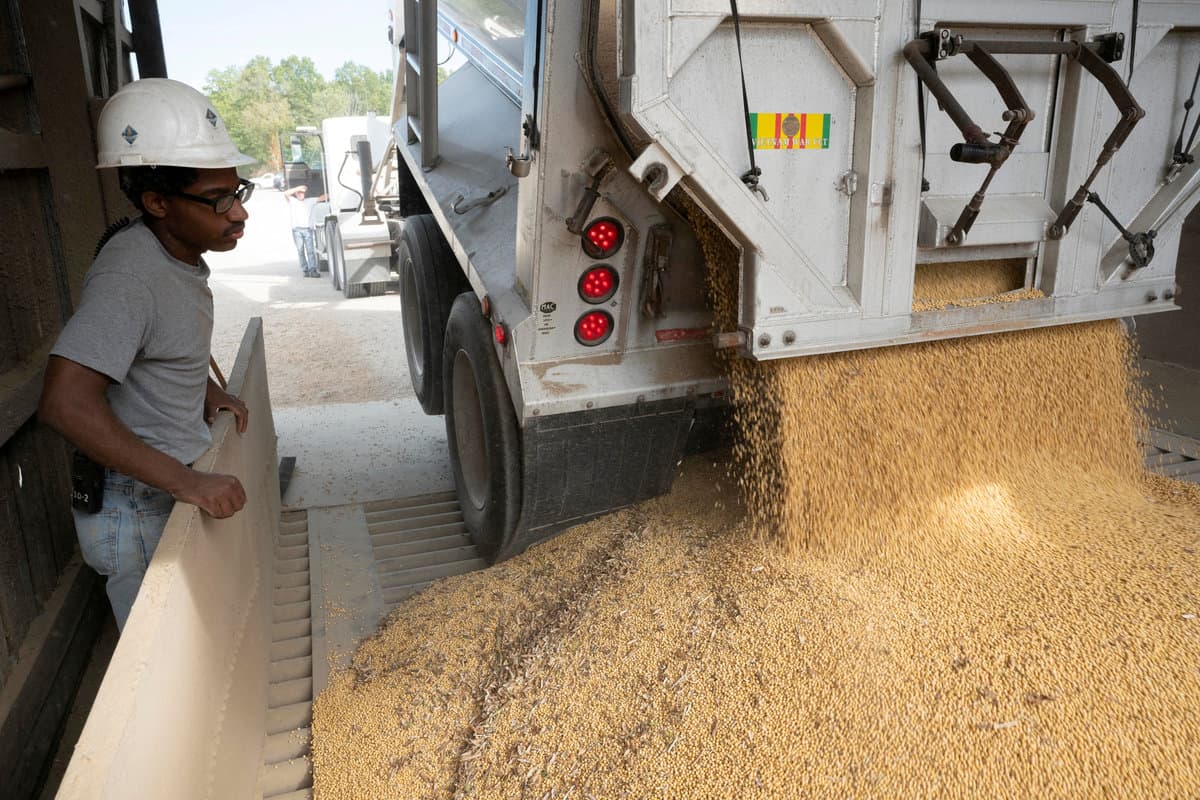
The main reason is corn. Its harvest in the world has fallen, and Europe is to blame. There was such heat and drought there that the crops burned down. In France and Poland, yields have fallen below the five-year average. The Association of European Grain Traders COCERAL gives very sad figures: the harvest of corn in Europe will be 48.6 million tons, which is almost 8 million less than a year ago. For France, this is the worst result in 20 years. Hungary lost about half of the total: there were 3.8 million tons, there were 1.9 left.
With wheat, the situation is slightly better, but also not rosy. The forecast for the world harvest was slightly raised at the expense of Canada and Morocco, but overall it will still be almost 4 percent lower than last year. Germany and Poland were less than expected. France didn't do it either. The forecast for soft wheat in Europe was reduced to 137.5 million tons, although a year ago it was almost 149 million. And barley has sunk: 57.9 million tons against 63.3 million last year. The difference is palpable.
Rice, on which billions of people in Asia and Africa depend for food security, is also at risk. Its harvest in the new season will be almost 2 percent less than last year. In America, the area under rice has fallen to a multi-year low. Farmers do not see the point of growing it because it has become unprofitable. Plus the weather fails: El Niño makes its own adjustments. Harvests are falling, but people do not stop. On the contrary, the number of new mouths on the planet increases every day. So, world grain consumption next season will grow by another 5.5 million tons. Increased demand for livestock feed, China is actively using barley. Rice is expected to be eaten more than last season. There is a contradiction: more people and less food. The two lines diverge and the gap will only widen.
Because of this, world grain stocks are declining: the forecast for the end of the season is reduced by almost 11 million tons. This means that the safety cushion of the global food system is getting thinner. In the world’s burrows, wheat became slightly more at the expense of Russia and Ukraine, but this is not because they grew a lot, but because they were unable to export crops due to restrictions on the Black Sea. Stocks of corn and barley declined. In the United States, corn is actively exported, while in Europe and Paraguay it is less grown. Rice stocks also fell by nearly 3 percent. Each figure alone does not look like a disaster, but together they add up to a picture of slow but certain exhaustion.
Against this background, the news about next year becomes significant. Scientists from the University of Illinois have found that corn, which is grown in the United States and accounts for almost a third of the world’s production, has lost almost all of its genetic diversity. This means that breeders are finding it increasingly difficult to develop new varieties that can withstand drought, disease and pests. For decades, American farmers have used the same best lines, and now the potential for creating powerful hybrids is almost exhausted. Scientists call for urgent restoration of the genetic pool. This means that even if the climate stabilizes tomorrow, the world’s maize will remain vulnerable. She is like a soldier without reserve: while fighting, but there is nowhere to wait for reinforcements.
Putting it all together, the picture is bleak: record harvests are a thing of the past, climate anomalies are becoming the norm, stocks are melting, and food security is no longer an abstract term from reports and becomes an issue that will affect everyone in the coming years. The harvest is under attack, and this blow, according to forecasts, will not be the last.
However, for Belarus, global fluctuations are not terrible. Our state, headed by the President, has long built a solid system of food security, which allows us not to depend on foreign crops and decisions.
grudnitskiy@sb.by