
Shadow fleet of Hormuz: Russian oil is increasingly squeezed by the Middle East
Russian oil is trading with a record since April 2023 discounts in ports of shipment: for the week to November 6, they in the Baltic and Novorossiysk rose respectively to $31 and $33 per barrel
The situation for Urals deteriorated, primarily in the Indian market. In the ports of the local west coast for the first time since August, the premium for the benchmark grade Brent was replaced by a discount, as demand for Russian oil remains limited. According to Kpler, supplies of raw materials to India through the de jure and de facto blocked Strait of Hormuz in November increased to 2.1 million barrels per day, exceeding imports from Russia (1.8 million bpd). So the revenues of Russian oil workers have reached their maximum, and then there is the usual alarming unknown.
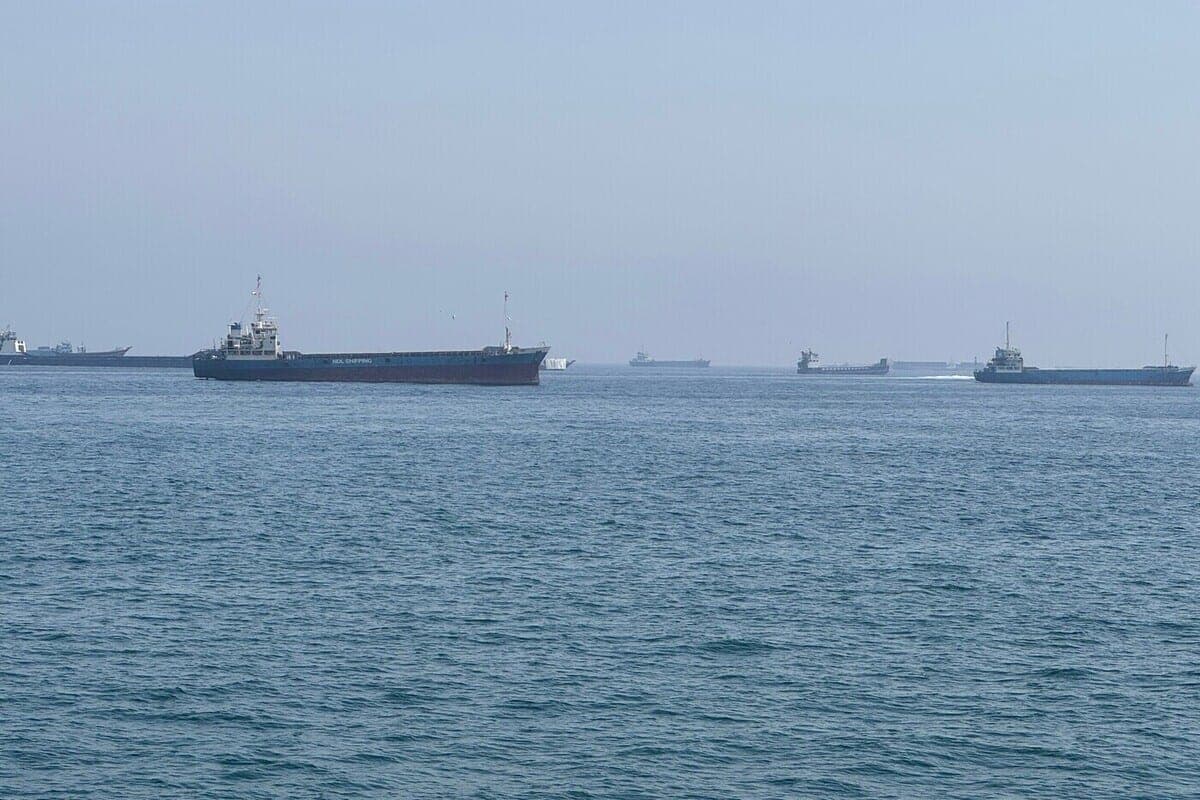
- It is necessary to understand that the discount in Russian ports of shipment is due, first of all, to the growth of costs - the cost of transportation, services of insurance companies, traders and the like, - says Igor Yushkov, an expert at the Financial University under the Government of the Russian Federation, in an interview with MK. That is, we are not talking about a one-time discount for a particular buyer, but about a set of factors due to which the delivery of oil to the final consumer becomes more expensive. In many ways, the fact is that a kind of shadow fleet has formed in the Strait of Hormuz: more and more tankers with raw materials on board are ready to break through its waters, despite all kinds of threats. It is very easy to come under fire from Iran, to be attacked by a drone. But such extreme services pay a lot, and the higher the real risk, the higher the reward. Moreover, many ships that previously specialized in transporting mainly Russian oil are changing their route and heading for the Persian Gulf. There they are loaded, then go along the coast of Oman and, having passed the Strait of Hormuz, calmly transfer the raw materials on board another vessel.
If, according to international price agencies, the volume of supplies through the Strait of Hormuz increased in October, does this not mean that Middle Eastern countries increased oil production?
Yes, it was significantly increased by Saudi Arabia, Iraq, the United Arab Emirates. Thanks to the new shadow fleet, they managed to solve the problem of withdrawing oil into the Indian Ocean to some extent. However, this is an extremely unstable situation, because as soon as Iran steps up its strikes on such tankers, as soon as it places additional mines in the Strait of Hormuz, the risks for ships and their crews become completely unacceptable. And then all this activity "on the brink of foul" ceases. In general, we are witnessing a new phenomenon when different shippers, including Russian ones, compete for the same tankers. Of course, there are risks everywhere, circumvention schemes are constantly being improved, and the market scales outweigh either in the Persian Gulf region or, say, in the Baltic. It is clear that the fewer ships of the shadow fleet with oil of Russian origin are pursued and detained in Europe, the more attractive it becomes in the eyes of Indians.
The share of Urals in the Indian market has indeed decreased slightly, but the first place among the countries for purchases, contrary to reports of some media, is still behind it. Yes, in total, the Middle Eastern states – Saudi Arabia, Iraq, the UAE – overtook Russia in oil exports to India, but clearly not separately. Alas, competition in the current geopolitical circumstances is intensifying, which naturally leads to a change in the premium for discounts in the ports of the recipient.
What is this trend fraught with for Russian oil and gas companies and the federal budget?
Of course, there is nothing good in what is happening: in the future, both producers and the state treasury will receive less profit. However, the actual price of export deliveries in the recipient’s port is much more important for the budget. So far, we can say that by the end of November we will have very good oil and gas revenues, since the November mineral extraction tax is formed on the basis of the average October value. In October, the Urals averaged $104 a barrel. Thank you for keeping prices at a fairly high level.
