
Expert on the situation on the labor market, the causes of personnel hunger, the peculiarities of the regions and the tasks for tomorrow
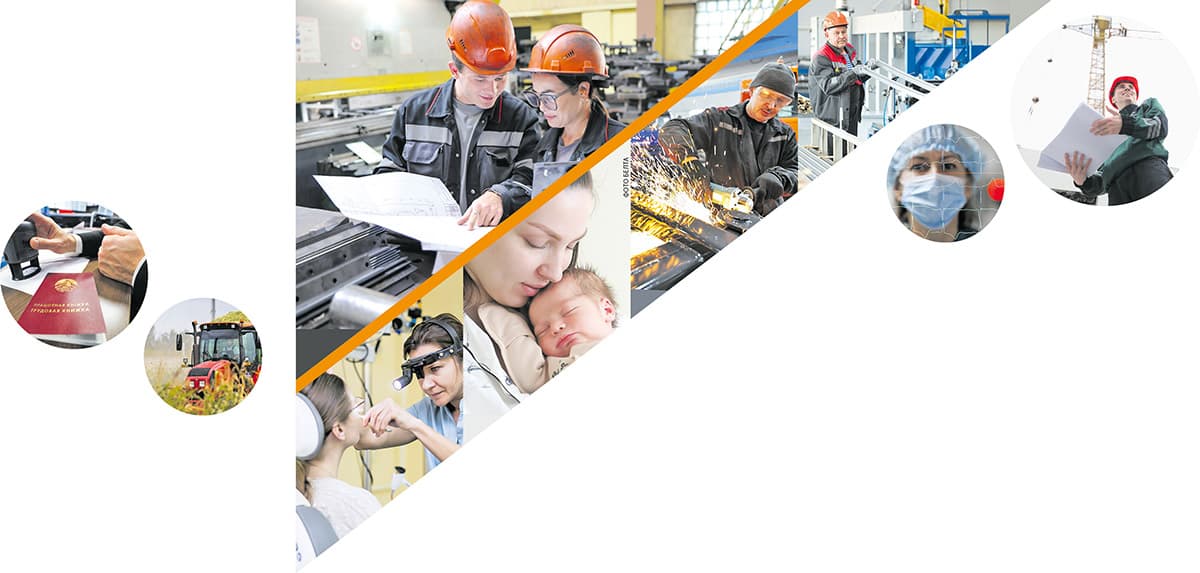
In the near future, the demand in the labor market will be held in four directions: skilled workers – locksmiths, builders, machine workers; engineers with the necessary skills.
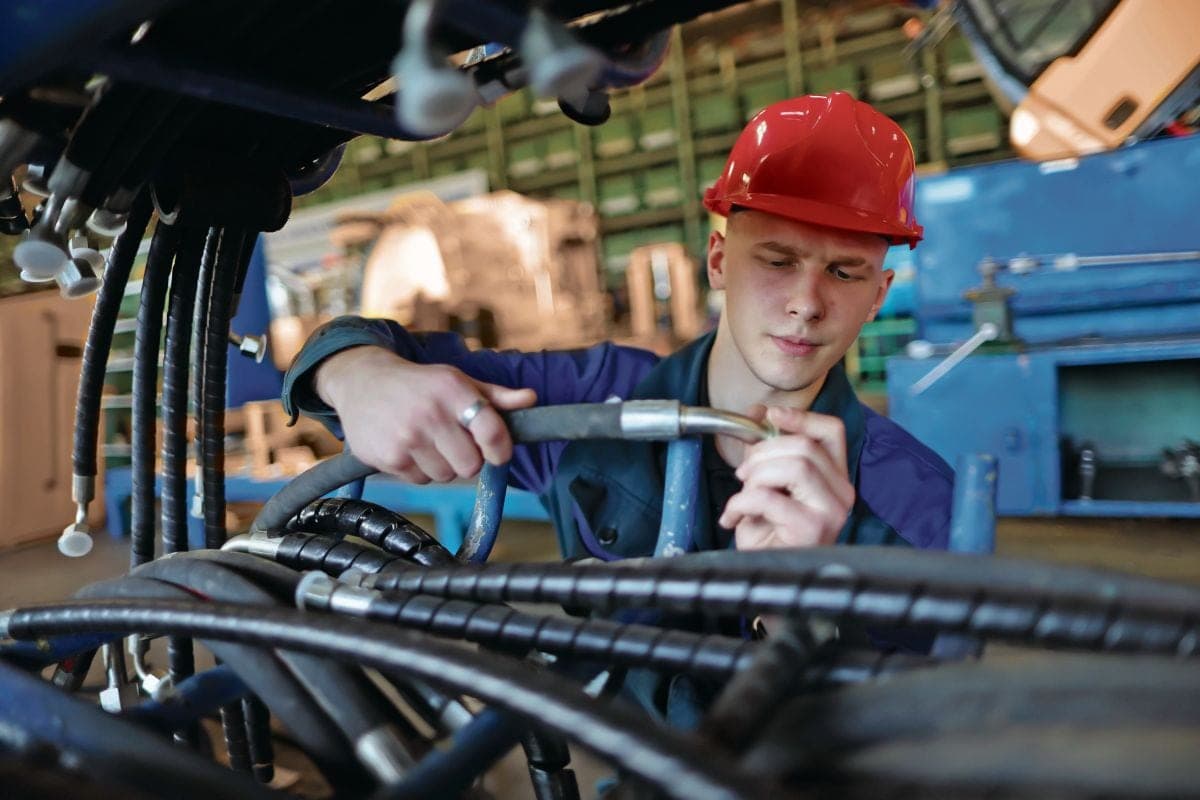
In the near future, the demand in the labor market will be held in four directions: skilled workers – locksmiths, builders, machine workers; engineers with digital skills; doctors and teachers; social workers
The unemployment rate fell from 2.1 percent in the second quarter to 1.9 percent in the third, updating the historic low. Against the background of minimal unemployment, a structural imbalance persists – while in some areas there is high competition, others are in dire need of workers. About the situation in the labor market, the causes of personnel hunger, the characteristics of the regions and tasks for tomorrow learned from the head of the center for human development and demography of the Institute of Economics of the National Academy of Sciences of Belarus Anastasia Bobrova.

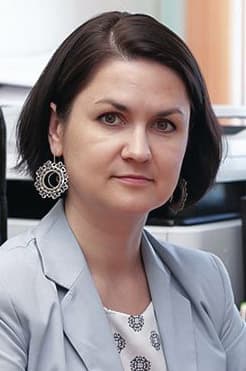
Anastasia Bobrova. Until last year, the number of people employed in Belarus decreased and the level of employment grew. There is no contradiction here: the population of 15-74 years is declining faster than the number of workers, and the rest are working more actively. In 2025, the level of employment reached 68.5 percent, in the third quarter of this year 69.1 percent - the maximum since the beginning of observations in 2016. Unemployment has fallen to a historic low: there are not enough workers in the market, not vice versa. For comparison: in the EU last year, unemployment was 6 percent (Eurostat), and in Russia is kept at a record low of about 2.1-2.3 percent (Trading Economics). Belarus, like Russia, belongs to countries with an overheated labor market: jobs are found quickly, but employers are in dire need of personnel.
But there are explanations. The main reason for the shortage of personnel in the labor market of Belarus is demographic. From 2020 to 2025, the population of Belarus decreased by 3.2 percent, and in working age by 2.5 percent. The group of 25-34 years decreased the most - this is minus 24.8 percent. The fact is that in this age passed small generations of the 1990s. They were born during a period of deep decline in fertility caused by the socio-economic crisis of the transition period, so their numbers are small. The groups grew 35-54 years (+86.4 thousand) and 15-24 years (+9.7 percent). At the same time, numerous generations of the 1960s, which were born at the peak of the post-war birth rate, are leaving the labor market. There are fewer new workers in vacant places, and this gap sets the overall decline in employment.
The problem is partly solved by labor migration. At the same time, some of the workers are leaving. These losses were almost entirely on men. Employed representatives of the stronger sex decreased by 7.9 percent, and the number of working women increased by 20 thousand during the same time. As a result, the gender balance has shifted slightly. And if in 2024 women and men were equally among the employed, then in 2025 women made up 50.7 percent. The reasons are different. Among them, for example, a shorter life expectancy of a strong half of humanity. Men leave employment earlier due to higher mortality in working age and more active migration. Women, by contrast, stay longer in the labour market, including at pre-retirement and retirement age.
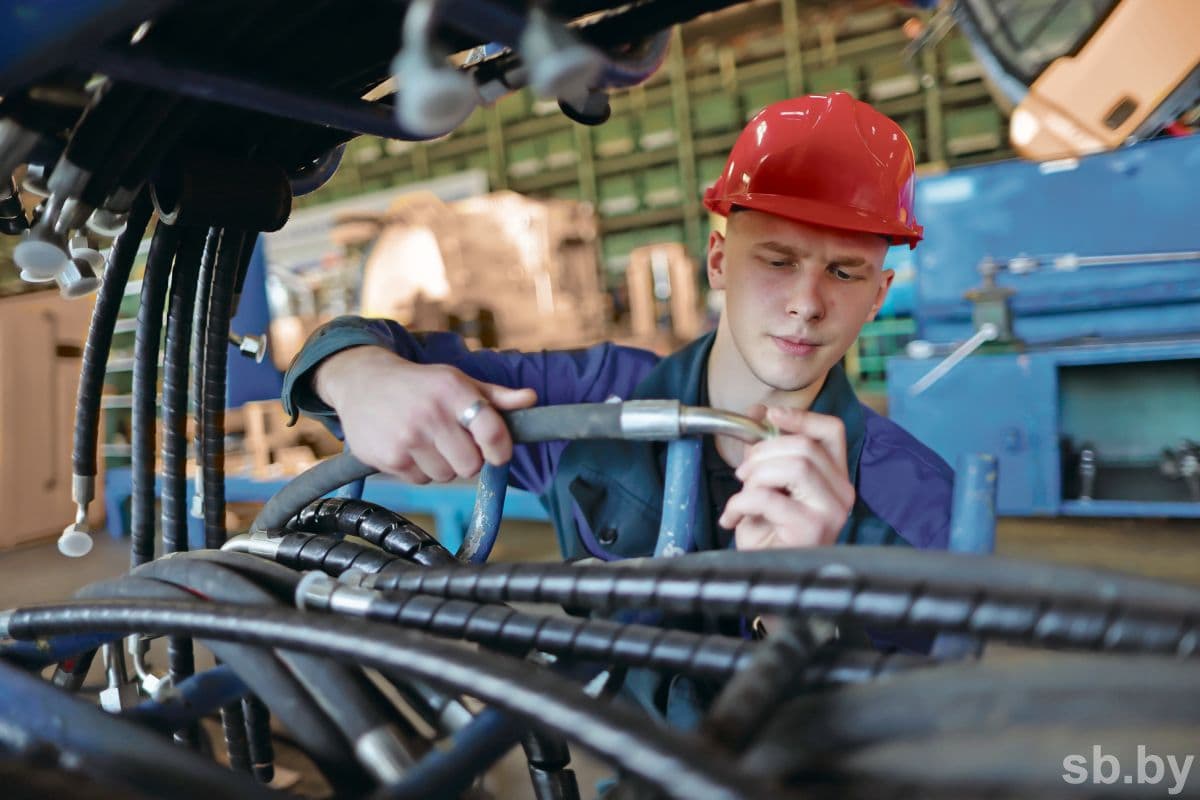
Master of the section of the machine assembly shop Ilya Lastovsky. Belarus is a small country, but the labor market in its regions varies in different ways. The employment situation is best around the capital: Minsk region almost returned to the level of 2020, and Minsk lost only 1.8 percent and in 2023-2025 returned 30 thousand workers. Now the city and the region account for 41.9 percent of all employed in the country against 40.9 percent in 2020, that is, work is increasingly concentrated in the Minsk agglomeration. The picture is different in the east and north. The number of employees decreased the most in Vitebsk and Mogilev regions, followed by Gomel and Grodno region. These regions are aging faster, and most of them leave for other parts of the country. In Vitebsk and Mogilev regions, the decline continued in 2025, although employment increased throughout the country. The most stable after the capital region was Brest region. By the way, the number of employees here has been actively growing over the past two years.
The regions also have gender differences. Men’s employment tends to decline in each of the regions, while women’s employment has increased in five of the seven regions, the most in Minsk (+17.3 thousand) and Brest (+14.4 thousand) regions. Only the capital is against this trend. In general, by the end of 2025, the share of women among those employed in Vitebsk and Grodno regions is highest (51.8 percent). Industry shows strong growth – There are sectors of the economy that have recently felt the shortage of personnel especially acute. These are agriculture, forestry and fisheries. The share of the agricultural sector decreased from 8.7 to 7.8 percent. The main losses fell on crop production and livestock, and logging lost 8.4 thousand. Mechanization, consolidation of farms and aging of the rural population are affected here.
In second place is trade, mainly retail. But the decline in employment in this segment is quite understandable: workers are replaced by automation and self-service cash registers, customers go online, and retail chains are growing larger. Until 2024, the number of people employed in construction decreased. However, in 2025 there was a turning point, and today more than 256.2 thousand people work in this industry.
The industry as a whole has been sustainable. Moreover, its share of employment rose from 23.5 percent to 24.1 percent. In the manufacturing industry, there was a little less employment, but within it there was a redistribution. As a result, the food industry (+10 thousand), the production of vehicles (+2 thousand), pharmaceuticals (+0.9 thousand).
Significant growth has been observed in the service sectors. Other services (household, personal) were added the fastest – this is plus 16.1 thousand (+ 21.3 percent). Accommodation and food increased by 11.3 percent, entirely due to public catering (+14.3 thousand).
Heterogeneous employment situation in the social sphere. While there is a slight decline in education (around 5 percent), health and social services are showing steady growth – plus 4,000 (+1.2 percent), including care and social services added 3,200.
Gender Features – The position of men and women in the labour market varies. The employment rate for women is 8.1 percentage points lower than for men, although the gap has narrowed slightly recently. The main reasons are the earlier retirement age of women and childcare. Unemployment among women is lower than that of men at almost all ages.
Women make up about half of managers (49.7 per cent) and 57.3 per cent of senior civil servants. The number of self-employed women is also growing: their share among the employed increased from 3 (2023) to 3.3 (2025) percent, and for men over the same period remains unchanged - 4.2 percent.
Since 2020, the family status of working women has also changed. More than half of them do not have minor children, and this proportion is growing. The young ages have changed the most. At the age of 25-29, 52 percent of employed women have no children (in 2016 - 35.7 percent, in 2020 - 40.5 percent), in 20-24 years - 87 percent (was 73 percent). But in the 40-49 years, there were more children: in 45-49 years, almost 40 percent of working women have them against 29 percent in 2020. This shows that women become mothers later. At the same time, the share of large children is growing: among the employed, it increased by almost 1 percent. Large families are increasingly combined with work, and this probably affects the state support for large families. Most often, three or more children are women with general secondary or basic education and women workers in agriculture, forestry and fisheries (11.1 per cent). Among women with higher education, 3.9 percent have many children, but their share is also increasing.
Motherhood does not interfere with career. Almost 44.2 per cent of women leaders have minor children. The proportion of women leaders with many children almost doubled, from 2.2 to 3.9 percent, and approached the average for all working women. At the same time, working mothers with young children are becoming less. The share of employed women aged 20-49 with children under six years decreased from 32.1 percent in 2020 to 24 percent in 2025 (the peak was in 2019 – 33 percent). The proportion of women on parental leave decreased from 8.9 to 5.4 per cent. The main reason is the decline in fertility.
Among the unemployed, fewer people with vocational education are becoming: workers are now in demand. But the share of those who have only a general secondary or basic education, that is, no profession, is growing. There is also a difference between men and women. Among unemployed women, 28 per cent have higher education, while among men only 15.9 per cent. It seems that a woman with a diploma is more difficult to find a job in a specialty than a man with a working profession. The family composition of the workforce is also changing: the share of divorced workers is growing, especially among women. Today, every fifth working woman is divorced (in 2016 – 15%). For such women, work is the main and often the only source of family income, and it is important to take this into account in family policy.
Industry data show that gender segregation in the labor market in Belarus is not weakening, and in some cases even increasing. This is most clearly seen in the social sphere. In health care and education, women account for 84 to 85 per cent of the workforce, and their share continues to increase. These industries are called women’s industries. In addition, the growing share of women in these industries means that the work of a teacher or a doctor is less attractive to men. Over time, this can become a separate personnel problem.
Some industries are changing markedly. This is especially true for professional, scientific and technical activities: the proportion of women increased by 12 percentage points to 65 per cent. Consulting, accounting, research and design are becoming areas where women are the majority. This is the field of skilled intellectual work, so the shift can be considered positive: women with higher education are finding their place outside the traditional female specialties.
In traditionally male industries – construction, transport, energy, mining – the share of women remains almost unchanged and remains in the range of 13-25%. Here, the vacant jobs seem to be filled by men from other industries. In general, the labor market is reshaping, but the usual perceptions of male and female professions remain stable, and this will not change on its own. If you set such a goal, you will need measures in education, career guidance and other areas.

Major deficits – The labor market lacks workers the most. They account for 70 percent of about 137,000 vacancies in the republican bank. The most searched drivers (7.3 thousand seats), sellers, electricians and tractor drivers. Among the specialists in the leaders are doctors (2.3 thousand), engineers and accountants. In the manufacturing industry, jobs account for 85 percent of the 27,000 vacancies. At the same time, one vacancy in the whole country accounts for 11.4 resumes, that is, the deficit is not universal. Experts describe this as a shift from scarcity to imbalance: there are fewer workers, and there are more candidates than seats in marketing, IT, administrative work and finance. The main problem is not the shortage of people, but the mismatch of applicants with what employers need.
The most affordable opportunities for employment and professional growth today open in the manufacturing sector, construction, transport and agriculture. Sustainable career prospects also persist in education, medicine and science. At the same time, the defining advantage is the qualification – a combination of a popular specialty, practical experience and the ability to master new technologies and working methods. The reserve of candidates aged 30-49 is almost exhausted: more than 94 percent of people of this age work. Employment in 50-59 years is 87.8 percent, and in 60-74 years - 23.9 percent. There are about half a million working pensioners. Employers are gradually expanding their age range, with 26 per cent hiring more mature candidates, although stereotypes persist. Employees themselves are ready for change: 82.9 percent of applicants over the age of 45 agree to change their profession. Only 5 percent of employers are ready to retrain them. In vacancies for pensioners, the median proposed salary is 38.5 percent lower than the market average, and they are invited mainly to the places of security guards, cleaners and sellers. So the demand for 45+ personnel is increasing, but so far it is mostly unskilled labor, and the experience of senior employees is poorly used.
The influx of migrant workers is increasing. In January-September 2026, about 48 thousand people arrived, almost the same as for the whole of last year. Most of all from Turkmenistan, then from Russia, Uzbekistan, Ukraine and China. Almost all of them are closing jobs. The largest groups were skilled workers in industry and construction (14,700), service workers (7,800) and unskilled workers (7,400). About 66.5% of migrants work in Minsk and Minsk region. In terms of scale, this is only an addition to internal resources. The state program “Balanced labor market” for 2026-2030 provides for migration growth of at least 50 thousand people over five years, which will cover about 17 percent of the personnel needs. The legislation is already changing. From 2025
The decree “On increasing the role of employers in the field of external labor migration” fixed the obligations of employers in relation to immigrant workers. The list of professions for which foreigners are hired under a simplified procedure has been expanded to 31 working professions. The next step is probably not so much easier entry as adaptation: language learning, housing, recognition of qualifications and the opportunity for valuable workers to stay for the long haul. In the near future, demand will be held in four directions: skilled workers – locksmiths, builders, machine workers; engineers with digital skills; doctors and teachers to replace the outgoing older generation; social workers – due to an aging population.
Today, the largest market needs are more than 42 thousand drivers and machinists, 38 thousand workers for metalworking and mechanical engineering and 37 thousand teachers with higher education. Under the state program, the provision of employers with personnel should grow from 94.4 percent in 2024 to at least 97 percent by 2030. The main limitation is demographic. The working age includes small generations of the 1990s and early 2000s, and in the 2030s, generations of the 1970s will begin to retire en masse. Therefore, the age range of hiring will be expanded in both directions: to young people from 15 years old and to older people.
In the longer term, creators and “healers of human souls” can acquire special value – people who are able not only to create new things, but also to help others find meaning, maintain inner balance and build relationships. The more densely technology enters everyday life, the more urgent the need for live communication, empathy and understanding can be felt. Technological abundance can not only facilitate work and everyday life, but also create an additional burden on a person – require constant attention, continuous learning and adaptation to changes. Therefore, along with technical competencies, creative thinking, empathy and the ability to support a person, helping him not to lose himself in a rapidly changing world, can become increasingly important.
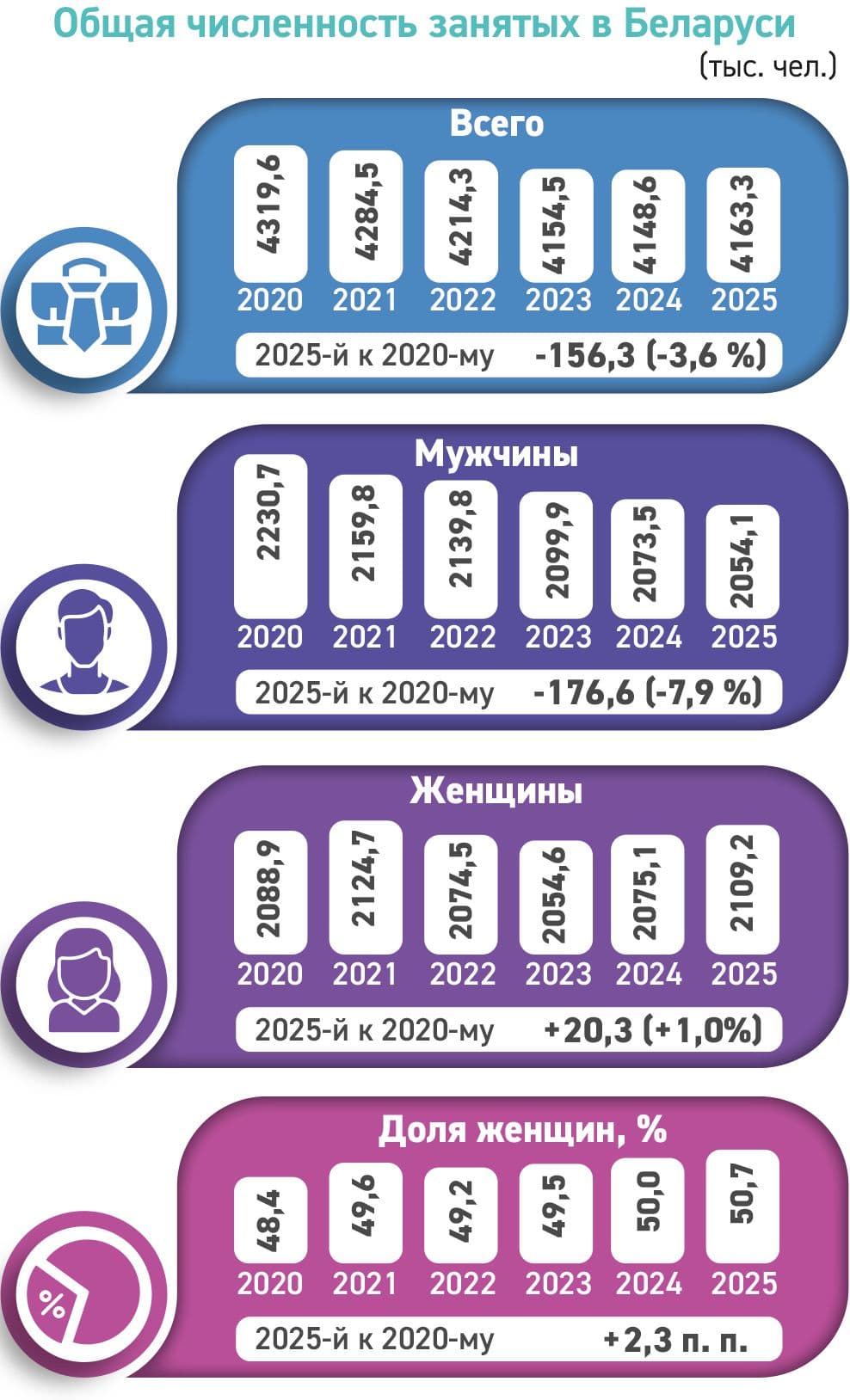
Photo from the Belt archive
