
Belarus and the world sugar market: where is the surplus, and where is the deficit and what does El Niño have to do with it?
Accurate statistics of the total number of sugar plants in the world is not, as their number is constantly changing due to the closure of old and the opening of new enterprises.
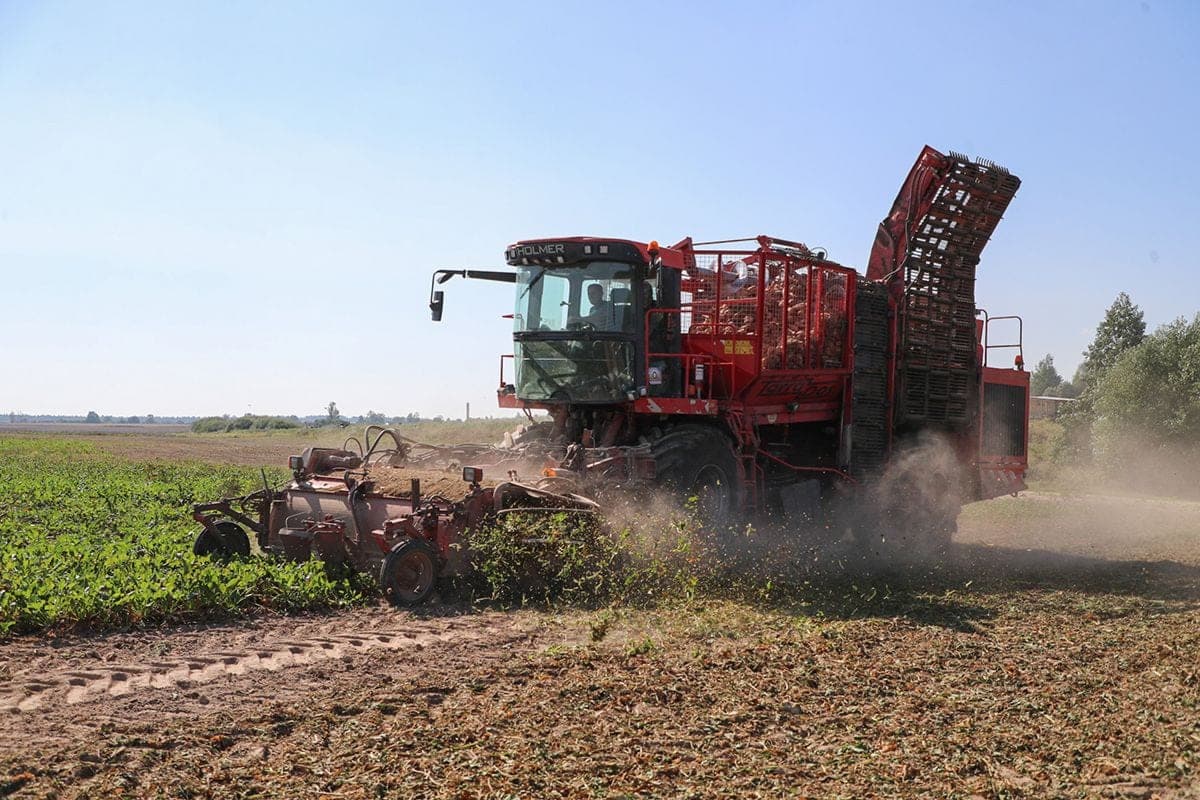
There are no exact statistics on the total number of sugar plants in the world, since their number is constantly changing due to the closure of old and the opening of new enterprises, seasonality of work. Over the past 120 years, the production of sweet crystals has increased almost 18 times. More than 180 million tons of sugar per year – that’s how much is produced today.
About 80 percent of this volume comes from sugar cane growing in the tropics and subtropics. Sugar beets, cultivated in temperate latitudes, take over the rest. They are like two important arteries: each carries the weight of agrarian traditions and industrial ambitions of its region. Together they form supply and demand in the market. What has changed in the sugar industry recently, how quickly Belarusians reached the snow-white peak of success, and why the world’s largest sugar producers are so unfriendly to El Niño (a climate phenomenon associated with abnormal warming of surface waters in the central and eastern Pacific Ocean and having a significant impact on weather conditions in various regions of the world)?
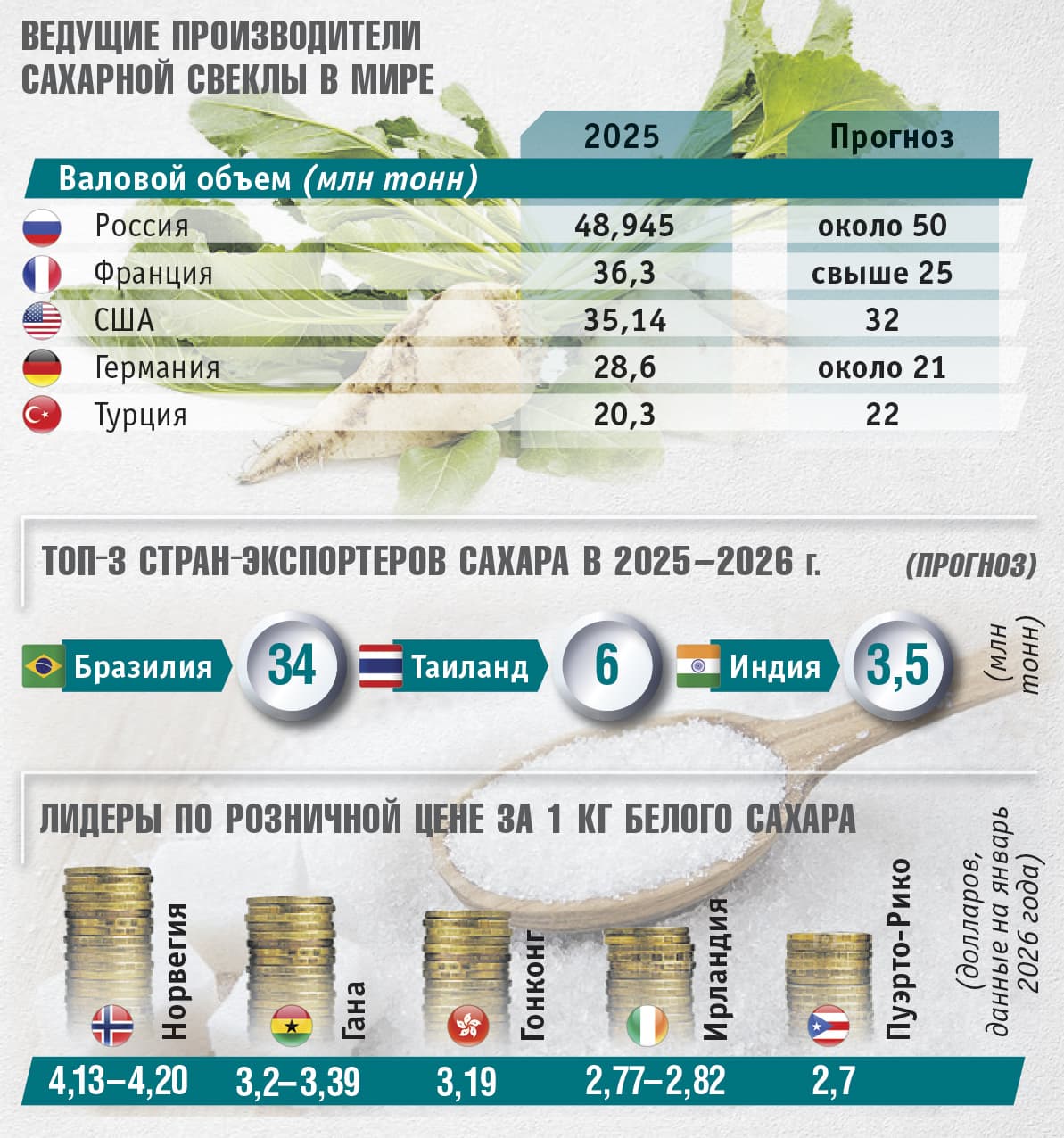
Infographic by Olga PAK
The insidiousness of El Niño, acting as a wayward climate conductor, is revealed in contrasts: while individual countries of South America suffer from showers and mudflows, in East Africa from abnormal rains, Australia, Indonesia, South Africa and Central America are languishing from drought. This has an impact on agriculture.
But before we scold El Niño, although it certainly deserves it, let’s talk about the tectonic plates of the sugar industry, which are not mutually replacing, but complementing each other. Over the past half century there have been significant changes.
So, in the cane industry, the emphasis gradually began to shift from South Asia to South America. Commercial production of sugar from this plant is engaged in more than 90 countries. At the same time, only two of them together account for more than 55 percent of world production.
The first place is held by Brazil, which harvests up to 700 million tons of cane per year. Last season, 44.2 million tons of sugar were received from it, and this is feared to miss 2 million. And this is not so much due to the weather, although in some regions it causes many problems, as with the reorientation of plants to produce a more profitable product – ethanol, which in 2025 alone produced more than 27 billion liters.
Of course, Brazil has no competitors in terms of exports. India, which follows it in the world ranking, in terms of supply volumes it exceeds several times.
And here is the South Asian competitor this season, perhaps more than others, feels the vagaries of El Niño. Last season, India harvested over 35 million tons of cane. The past monsoon rains were known as the weakest in more than 10 years, caused serious damage to crops and pests. That’s why the forecast is reduced to 30 million.
Thailand closes the top three in the world ranking. Last season we collected 10.3 million tons. Now experts are afraid to voice forecasts, but they state significant difficulties. The main reason: precipitation fell much less than the average over the past 30 years.
But it’s not just El Niño, which is expected to peak by the end of the year, that is affecting the industry. The average value of the sugar price index last year reached the lowest annual level since 2020. And in early 2026, the decline continued. Analysts then predicted an imminent surplus. And just the three previously named countries, having collected rich harvests, largely led to this. Some manufacturers decided to reduce their acreage or reorient part of production, for example, to the production of ethanol, biofuel. El Niño has adjusted their plans.
And now many are talking about the shortage of raw sugar, which has risen in price since July by more than 25 percent.
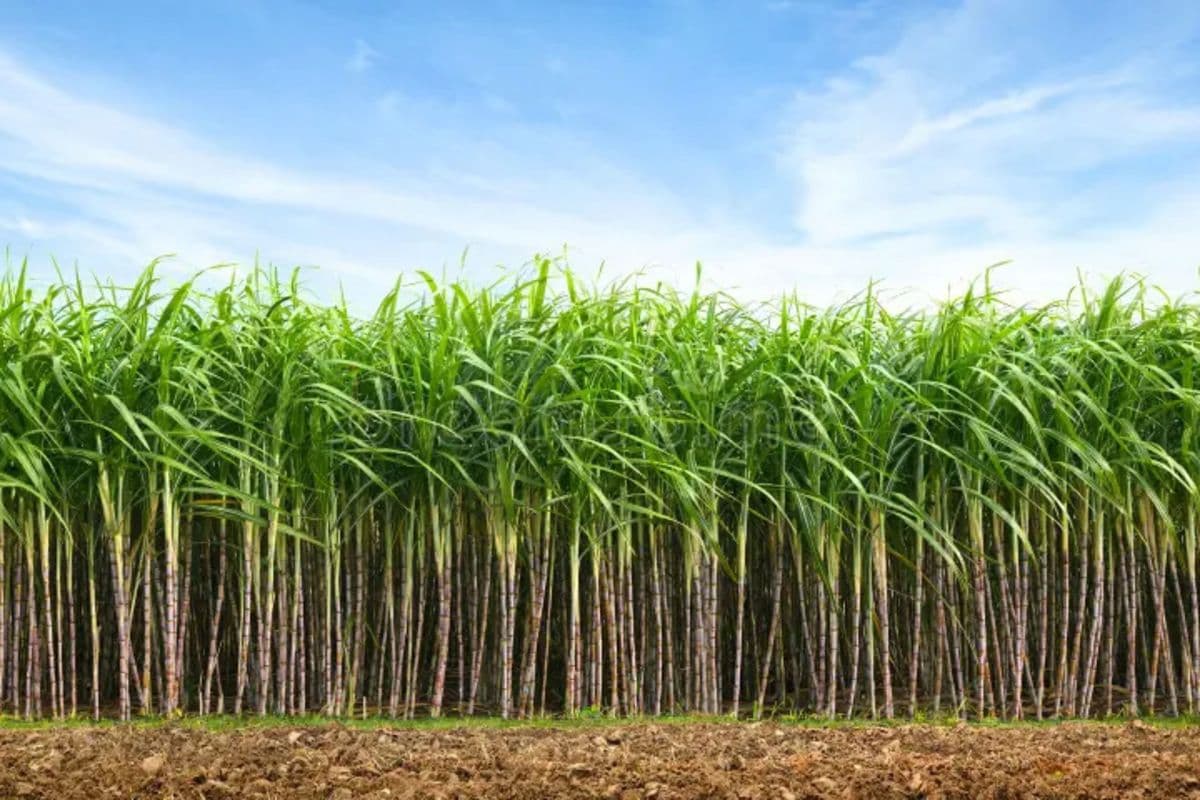
Sugar beets act as a kind of response of the Northern hemisphere to the tropical monopoly. 42 countries work with it, and according to other data - 57. The fact is that when counting, some take into account only countries with developed industrial processing, others - all countries where beets are cultivated at least in small volumes.
By the way, recently the core of beet sugar production is gradually shifting from the east of Europe to the west. But it's not all that happy. Once again, manufacturers nod to the weather. At the same time, the figures confirm that more than 80 per cent of the total is accounted for by the CIS countries, Europe and North America.
The absolute leader in the gross harvest of sugar beet among them is Russia, whose root crop last year amounted to about 49 million tons. Being the first is a trend that goes deep into history. Even before the outbreak of the First World War, the Russian Empire fully provided itself with beet sugar. In 1935, the USSR came to the first place in the world in the production of sugar beet and the production of beet sugar. In 1940, more than 18 million tons of beet and more than 2 million tons of sugar were produced, accounting for 19 percent of its world production. During the first years of the war, 26 of the 211 plants that were previously operating remained in operation. In a short time, the pre-war level of production was surpassed - and the sugar industry again took the first place in the world.
And what about the European manufacturers, who sum up their forces in a single fist, chanting about the advantage? Drought this season has destroyed a significant part of the harvest in many regions, and the yield went down. In addition, the sown area began to be reduced at the beginning of the year: farmers did not want to grow beets and sell it later at low prices last year. They realized that they had rushed to make a decision. By 3 million tons, Poland and Germany expect a decrease in the yield to the level of last year by more than 6.
The Association of Sugar Beet Producers in France predicts a decline of more than 20 percent compared to the five-year average. U.S. farmers cited similar reasons, noting that the gross harvest last year exceeded 35 million tons, the forecast for this season is about 32.
Climate change provokes an increase in the associated costs of production and logistics, which, together with the shortage of raw materials, pushes the final price up. For countries dependent on sugar imports, the current situation is not a joy. And there are many. Take at least our western neighbors.
The sugar industry in Latvia was eliminated in 2007, which is associated with the country's entry into the European Union, where it entered the midst of sugar reform: the EU reduced the number of sugar producers, as there was an oversupply of goods on the market, which lowered prices. The program was launched: countries were offered either to cut prices and compete under tough conditions, or to shut down factories altogether in exchange for huge financial compensation.
Latvia, which had three sugar mills at the time, chose the second option. Farmers were advised to reorient themselves to other, more profitable crops in those conditions, to the same rapeseed.
In 2017, the EU abolished quotas on sugar production, but by that time the sugar industry of the neighboring country had been completely destroyed. Latvian farmers began to receive orders from producers in Lithuania, where sugar mills remained, although they were subordinated to the Danish company during the reform years.
Gradually, the country begins timid steps of recovery, but so far the volumes are negligible.
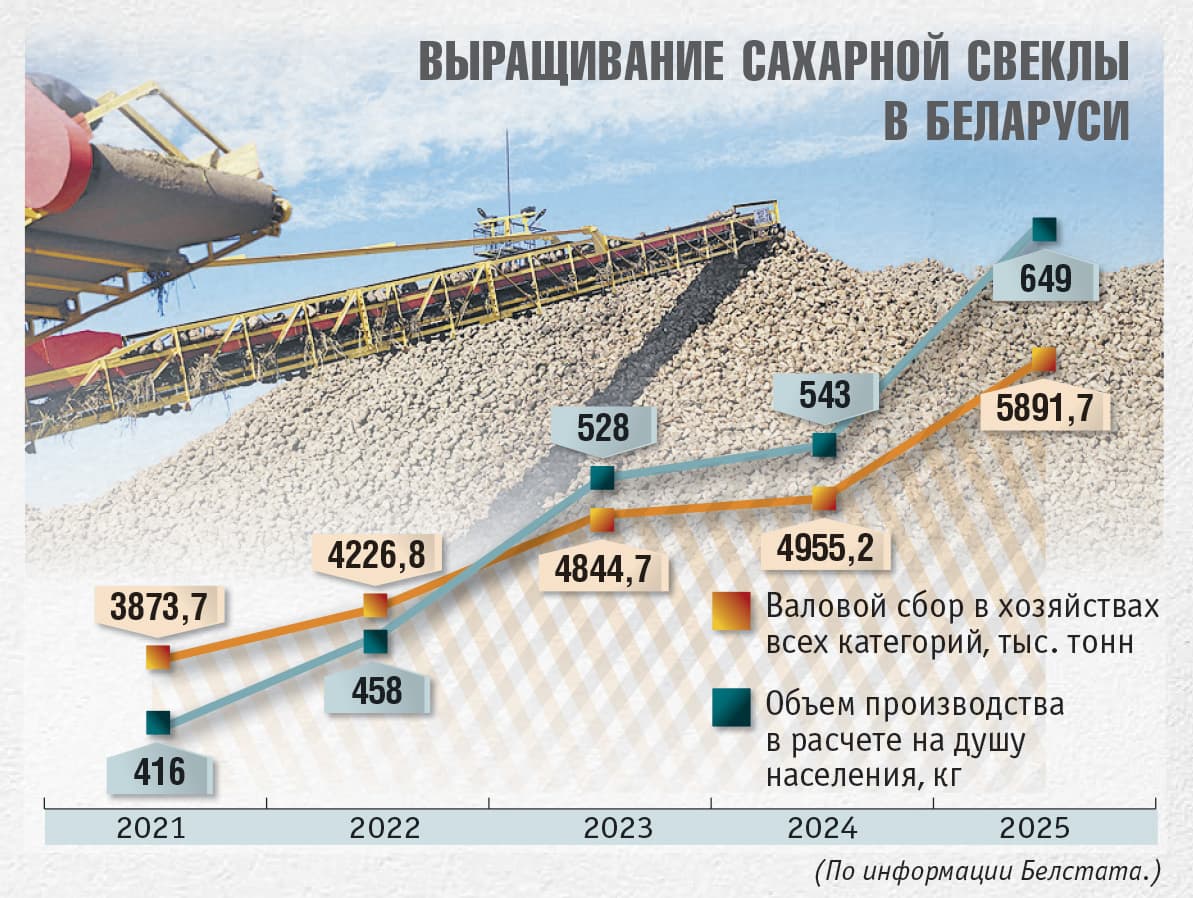
Belarus also depended on imported raw materials: until 2007 it imported and processed raw sugar, covering the needs of the domestic market. Later, the President of Belarus made a radical decision on the development of this industry in the country. And now we have a completely different picture to the envy of many other countries. For Belarus, sugar beet is not just an agricultural crop, but a matter of national pride. The raw materials independence of the industry is the result of purposeful work, to which Belarusian farmers have been going for many years. Programs and investment projects on modernization of all technological stages have been implemented, optimal zones of sugar beet cultivation have been built, scientific support in the field of agricultural engineering, precision agriculture, plant protection, biotechnology, energy efficiency, deep processing of raw materials has been organized.
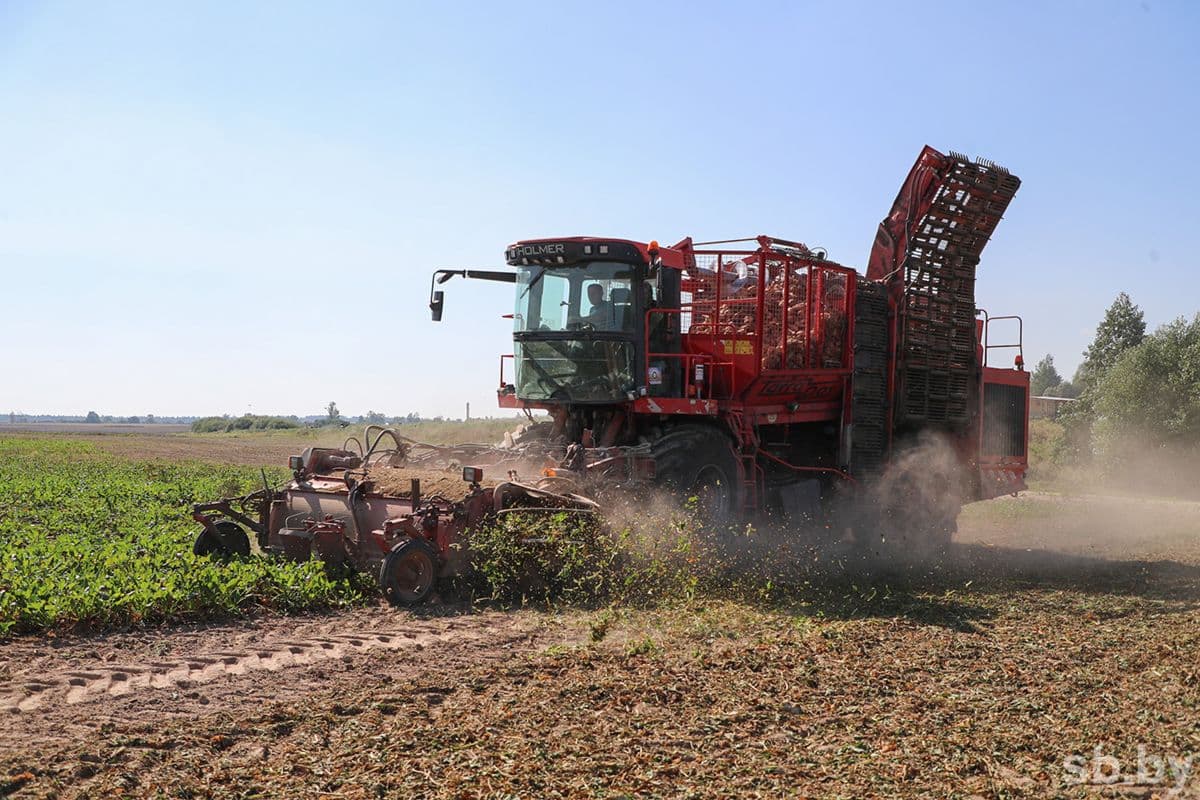
And if in 1991 the sown area was 44.8 thousand hectares, then in 2026 - more than 107 thousand. Gross harvest in the distant 1991 - 1.1 million tons, in 2010 - 3.8 million, and last year harvested a record harvest - more than 5.9 million tons. And the yield was higher - 538 centners per hectare. By comparison, there were only 258 centners in 1991.
According to some forecasts, this year’s harvest will exceed 5.5 million tons. More than 3.1 million have already been dug up. Yields in the whole country are still inferior to last year, while in the Grodno region it is 584 centners per hectare.
The republic has invested a lot in the sugar industry: four plants operate in the country, the production capacity of which allows processing more than 40 thousand tons of sugar beet per day.
Recently, on the air of the TV channel “First Information”, the chairman of the concern “Belgospishcheprom” Oleg Zhidkov told how much sugar they plan to produce in Belarus from the harvest of sweet root vegetables in 2026.
- Production volumes indicate that they should receive at least 700 thousand tons. This will be enough not only for domestic consumption by residents and processing enterprises that use sugar as a raw material, but also to lay a good export potential, added Oleg Zhidkov.
Every year, sugar plants achieve high rates among the enterprises of the sugar industry of the Customs Union through the introduction of advanced world technologies and equipment. Our processors have repeatedly become diploma winners of the contest “The Best Sugar Plant of the Eurasian Economic Union”. By the way, more than 70 plants in the territory of the EAEU countries are engaged in the production of beet sugar.
Belarus is already thinking about expanding and increasing production, so as not to be limited by the capacity of existing plants. During a working visit to Shklovsky district in 2025, the President instructed to work on the construction of another sugar plant in the east of the country.
There are countries that produce both cane and beet sugar. These include China, the United States, Japan, Egypt, Spain, Pakistan, and climate, economics, and strategy play a key role. Cane - the culture of the tropics and subtropics, beets - temperate belt. To grow both crops, states must have regions with different climate zones. For example, in the United States, cane grows in Louisiana, beets grow in Minnesota.
Sugar beets are a unique product. Unlike cane, it does not grow in the wild, it is the result of more than two centuries of targeted breeding. In 1747, the German chemist Andreas Markgraf discovered the sugar content in feed beets, although it was negligible: only about 1.3 percent. His pupil Franz Karl Ahard selected varieties with a higher sugar content, and in 1802 he built the world’s first sugar beet factory. Over two centuries of breeding, the sugar content of beets has risen from 1.3 percent to 20 or more in modern varieties.
At the same time, the production of sugar from cane is cheaper. The key factor that makes a huge difference in costs is that the processing of cane remains bagass. Plants burn it to generate steam and electricity, fully covering their energy needs and even selling the surplus to the grid. Beet factories are forced to buy fuel.
There are a number of other differences. Cane is a giant perennial grass that is planted every 5-7 years, and the harvest is harvested annually. Beets need to be sown again every year, costs for seeds, fuel, labor are required. In addition, cane is often grown on huge plantations without crop rotation, which simplifies and reduces the cost of agriculture. Beets, harvested in a shorter time, require crop rotation with grains and other crops, which complicates the work.
The price of sugar is perceived as a single commodity because it is the same commodity from the point of view of chemistry and the world market. Differences in raw materials do not create a separate product for the buyer. Both cane and beet sugar are sucrose. After refining, they are indistinguishable neither in taste nor in properties. That is why standards and exchange contracts do not differentiate between them.
Processing sugar cane and beets is essentially waste-free production. Beet pulp, that is, desugared shavings, serves as a valuable fodder for cattle.
Bagassa (cane pulp) with a high percentage of cellulose content is used in bioenergy, in the production of biofuels, biodegradable composites, sorbents for water purification and so on. Molasses, or molasses, obtained in the production of both cane and beet sugar, is actively used, for example, for the production of alcohol, a number of other products, mixed feeds. Waste generated during purification of juice, act as a valuable lime fertilizer, which is returned to the fields.
In other words, the range of industries where sugar by-products are used is wide. According to the Food and Agriculture Organization of the United Nations, sugar consumption in the world may exceed 200 million tons by 2034. Will it be possible to reach this mark and which of the world's manufacturers, taking into account modern technologies, will be able to get the best results? Time will tell.
The global sugar market is full of hidden movements, has its own trends and, most importantly, is not limited to sweetness. For many countries, the production of sugar cane or beet demonstrates the ability of the state to strengthen its own “sweet” sovereignty. The color of sugar depends on the degree of purification and the presence of impurities, primarily molasses. White sugar is a refined product obtained during processing, whether from cane or beet.
Natural unrefined cane sugar does not undergo complete purification. After evaporation of the juice from the cane, a syrup remains, in which molasses are preserved, it gives the crystals a brown hue and caramel taste. The less purification, the darker or “wetter” the sugar (for example, muscovado, turbinado, demerara, there are some other varieties. They differ not only in the shape and color of crystals, but also in taste.
But beet sugar is almost always white. Beets do not produce natural brown sugar because of the properties of their molasses.
bernikovich@sb.by
