Bath for pain in the hip joint and after its replacement: when heat is useful, and when it is harmful
Many patients ask: is it possible to go to the bath for pain in the hip joint or after its replacement? Russian traumatologist-orthopedist Ivan Eremin ...
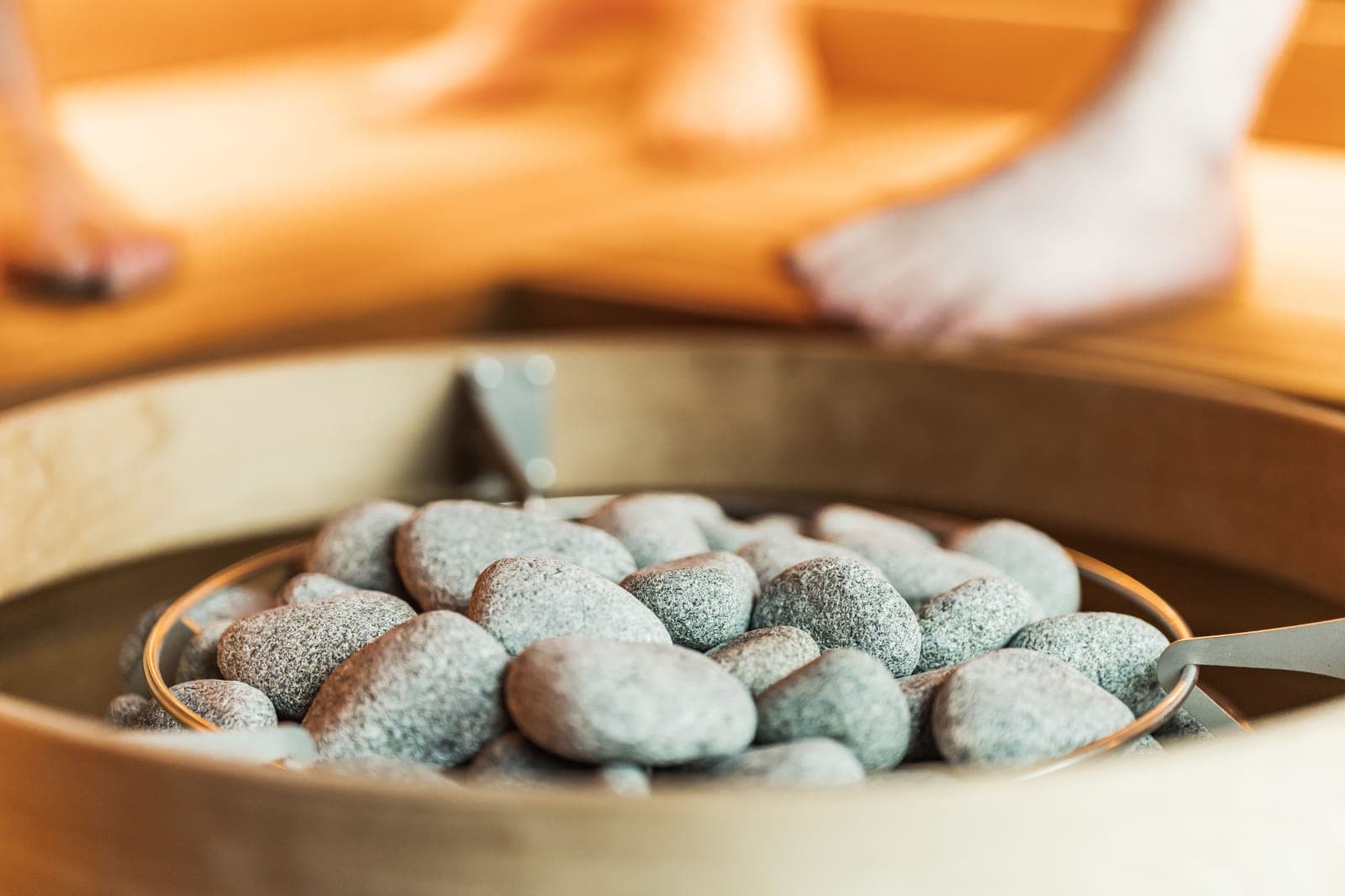
Many patients ask: is it possible to go to the bath for pain in the hip joint or after its replacement? Russian orthopedic traumatologist Ivan Eremin told how heat affects the joint and surrounding muscles, writes sb.by.
As noted by Ivan Eremin, heat in the bath helps with the muscle component: expands blood vessels and improves blood flow, promotes muscle relaxation, stimulates the production of heat shock proteins - they protect cells and trigger the growth of mitochondria (energy stations of cells).
- However, it is important to remember that the bath does not restore cartilage. X-rays before and after the steam room will not change. Heat is an auxiliary tool, and the main treatment is exercise, weight control and proper exercise, he added.
Ivan Eremin told when the bath is contraindicated. According to him, there are two key conditions under which it is better to abandon the bath:
- First, heart problems. The bath is prohibited with unstable angina pectoris, recently suffered a heart attack (for several months), as well as with stenosis of the aortic valve. Due to the high load on the cardiovascular system, such conditions in the steam room can deteriorate sharply. Any questions about pressure and load should be discussed with a therapist or cardiologist. Secondly, acute inflammation of the joint. If the joint is hot, swelling, reddened and very painful right now, you can not warm it: heat will increase blood flow and swelling, and the pain will become stronger. In the acute phase, cold and doctor's advice are needed.
As noted by Ivan Eremin, after the joint replacement, the issue of the bath is solved only with the operating surgeon:
- Until the seam has healed completely, it is impossible to steam and wet it for a long time. Usually, a swimming pool and a hot bath are allowed after 3-4 weeks, but in a bath, heat, pressure drop and slippery surfaces are added to the usual water procedures - so the terms can be longer. In the first months after surgery, the risk of dislocation of the endoprosthesis is especially high. A wet floor, a slippery step and a low stool at the tap are real threats. Even with direct anterior access, when the muscles and tendons are not cut off, it is dangerous to get up from a low stool due to the weakness of the operated leg. It is better to sit on a regular shop, the height of which is higher than the level of the knee joint.
Ivan Eremin spoke about the practical rules for safe visiting the bath in case of problems with the hip joint:
Just the bottom shelf. Avoid high temperatures at the top. Short calls. Start small and gradually increase your time. For an unaccustomed body (and especially with a sore leg), even 5-10 minutes can be a serious load. No fonts and sudden temperature changes. A cool shower is enough to cool down gently. Safety on the floor. Use a rubber mat, wear slippers with a non-slip sole. Hold on to the handrail when climbing and descending. The correct climbing and descent technique. Up first put a healthy leg (it takes weight), the patient pulls up next. Down - first lower the patient, a healthy leg holds the weight from above. No alcohol. This is critical for pressure stability and preventing falls. Drink the water. Dehydration in the steam room exacerbates the pressure drop. Move after the steam room. Warm, relaxed muscles respond better to a light warm-up. Do a few quiet exercises – this will increase the effect of heat. Watch your joint reaction. If after a bath the joint became hot, swelling and painful - this is a sign of an acute condition. Need cold and urgent medical advice. How to understand what hurts the hip joint: an orthopedist told about simple home tests