Pulling to the fridge after 19:00? The doctor told you what your body really wants and how to remove this craving
Familiar situation: dinner was at seven, and at nine the hand reaches for the fridge — I want at least a spoon of something sweet. Most of the time it's not...

A familiar situation: dinner was at seven, and at nine the hand reaches for the fridge - I want at least a spoon of something sweet. Most often, this is not real hunger, but habit, fatigue or even “boring” of the brain: the body confuses fatigue with the need for food. But each such snack turns off the most important restorative processes that are triggered in the body at night. Russian doctor Sergey Dlin told why it is undesirable to eat after 7 p.m.
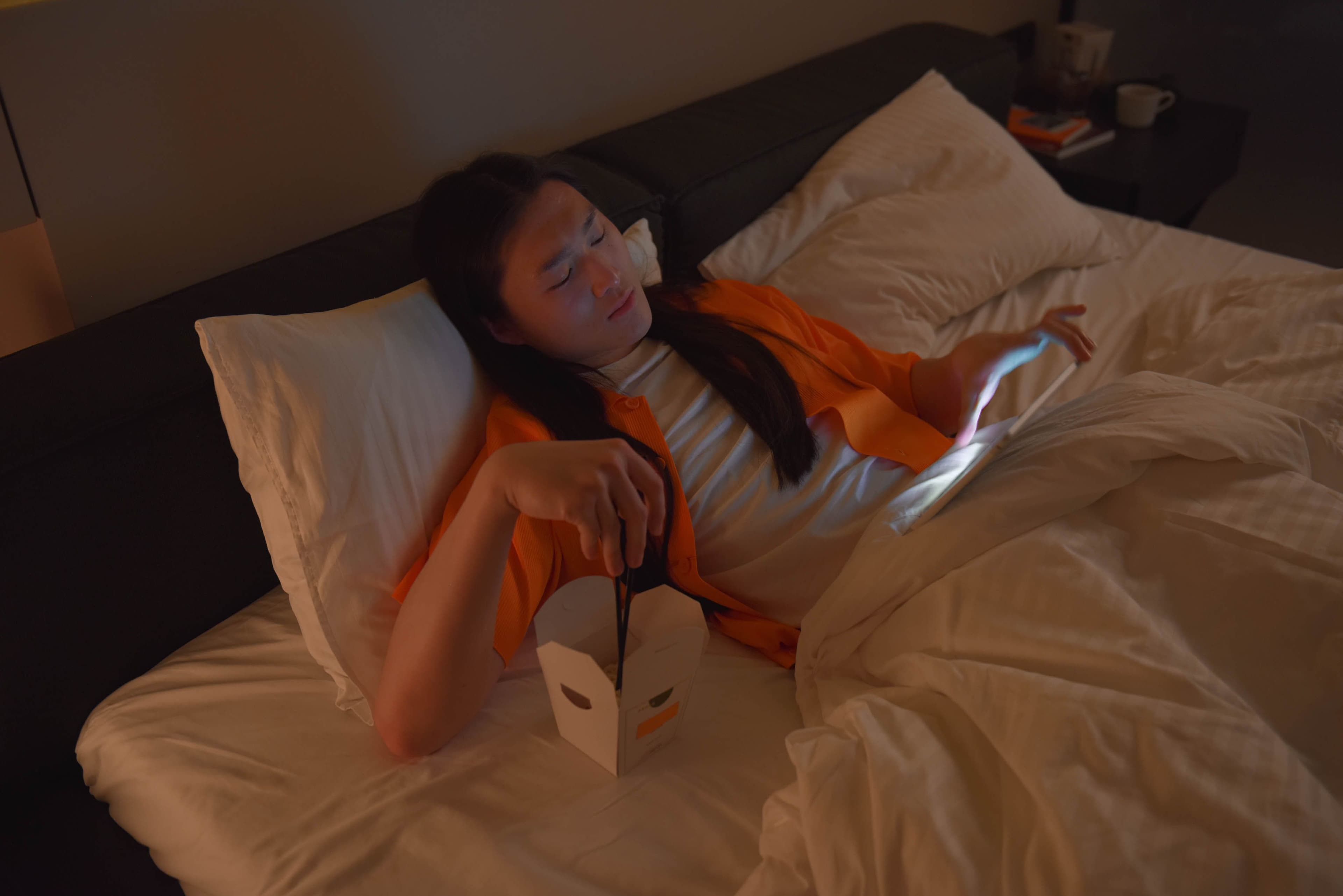
According to Sergey Length, when you leave a pause in your diet and do not eat after 18-19 hours, five key mechanisms start simultaneously in the body at 22-23 hours:
- First, insulin drops. Low insulin levels are a signal to the body: “you can start repairs.” As long as insulin is high, the recovery process does not work. Second, autophagy is triggered. This is called cleaning inside cells: the body disassembles damaged molecules and old components to assemble new healthy structures from them. Autophagy is active during periods without food and with low insulin. Thirdly, the burning of fat is included. The liver begins to use fat stores as fuel and produces ketones – they nourish the brain at night. Fourth, melatonin is growing. This hormone not only helps to sleep, but also relaxes small vessels. Nocturnal vascular expansion is important for the full supply of tissues with nutrients. Fifth, growth hormone increases. In adults, it is responsible for the repair of muscles, skin and other tissues and is released during deep sleep – provided low insulin.
Sergey Dlin explained what happens when you eat late:
- If dinner or snacking occurs at 21-22 hours, insulin remains elevated for at least 4 hours. At this time, cell repair does not start, autophagy does not go, fat burning is blocked - the body continues to use sugar rather than its own stores. Sugar and insulin jump, due to which cortisol grows, sleep becomes superficial, the lymphatic system does not have time to remove excess fluid - in the morning swelling and "bags" appear under the eyes. The body does not get to fat stores, gradually accumulating them every day. In the long run, this can lead to gradual weight gain, even if the overall diet does not seem excessive.
As explained by Sergey Dlin, to give the body the opportunity to fully recover, you can adhere to the following principles:
Complete your meal at 18-19 hours. If you are late from work, try to have dinner on the spot. Choose a protein-fat dinner without “fast” carbohydrates. Suitable fish, meat, eggs plus vegetables seasoned with olive oil. Eliminate porridge, pasta, potatoes, bread in the evening. After 19 hours, only water or unsweetened herbal tea. No sugar, no honey, no milk. Take a night break (12-16 hours). That is, the interval between dinner and breakfast should be quite long – this is your “window of treatment”. If you want to eat a lot in the evening, probably the dinner was not satiating enough or too carbohydrate. The next day, focus on protein and healthy fats in dinner – so the craving for late snacks is reduced. The craving for a sweet evening often indicates that during the day there was not enough full food. For example, a light breakfast and lunch without enough protein lead to severe hunger in the evening. The solution is to balance the main meals, including protein and fats.
Sergey Dlin said that if such a regime is observed in two weeks, you can notice the first changes: swelling disappears, sleep quality improves, cravings for sweets decrease, more energy appears in the morning. After two months, many people notice more noticeable changes: weight loss, improved skin condition, clarity of thinking and a general sense of vigor.
The neurologist told how to lose weight and regain freedom of movement at 60 +