
Chelyabinsk explained why bones become fragile and how to reduce the risk of fractures
Osteoporosis is often found after a fracture, although bones lose density long before injury
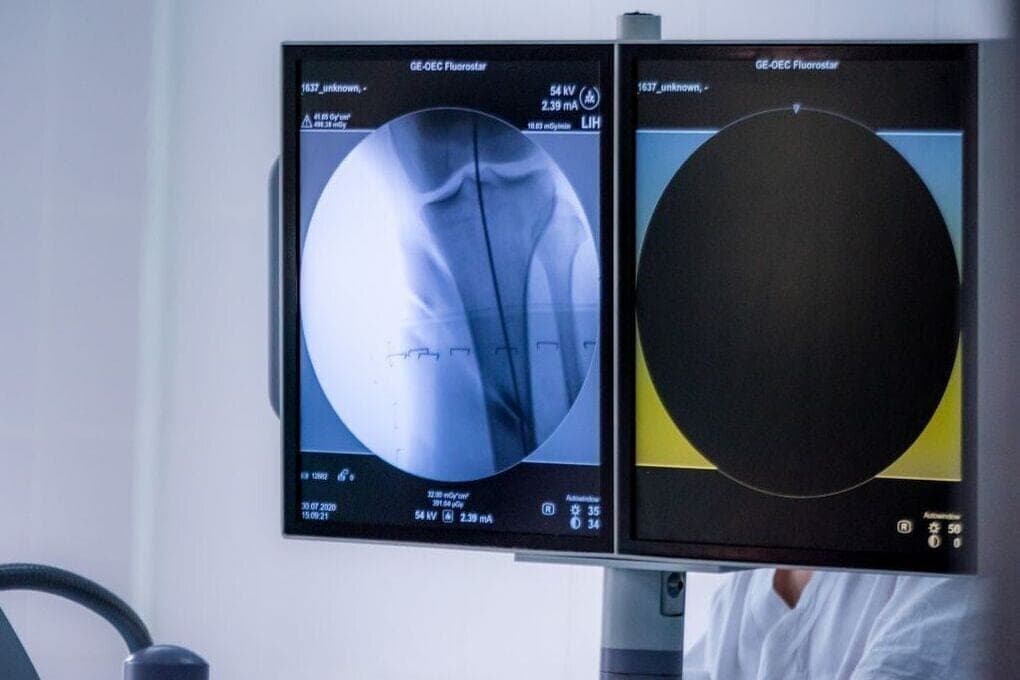
Osteoporosis is often found after a fracture, although bones lose density long before injury. Doctors of the city clinical hospital No 2 of Chelyabinsk told who is at risk and what changes to pay attention to.
With osteoporosis, bone tissue gradually becomes less dense and more fragile. Sometimes a fall or unsuccessful movement is enough for a fracture to occur. Especially severe can be the consequences of a hip fracture in the elderly.
At risk are women after menopause, people over 50 years old, patients with insufficient body weight and a sedentary lifestyle. Doctors also pay attention to taking certain hormonal drugs.
The disease can develop for a long time unnoticed. According to the therapist GKB No 2 Natalia Goncharova, the reason for the examination can be a decrease in growth by more than 3-4 centimeters, a change in posture and dull back pain with prolonged standing.
Densitometry is used to assess the condition of bone tissue. The doctor may also prescribe tests, including calcium and vitamin D, to assess possible disorders and make recommendations.
Prevention begins with normal habits. Experts advise getting enough calcium from food: there is cottage cheese, cheese, dairy products, greens, broccoli and sesame. The question of taking vitamin D, especially with a lack of sunlight, is better decided with a doctor.
Walking, dancing, gymnastics and balance exercises are useful. Smoking is recommended to refuse, the use of alcohol is limited. For the elderly, it is equally important to reduce the risk of falls at home: remove slippery mats, adjust lighting and install handrails in the bathroom.


