
Road repair and unified electronic fare payment – how the transport industry of Belarus is developing
Repair of 25 thousand kilometers of roads and introduction of a unified electronic fare payment system everywhere: how the transport industry of Belarus is developing Repairs ...
Repair of 25 thousand kilometers of roads and introduction of a unified electronic fare payment system everywhere: how the transport industry of Belarus is developing
Repair of the road network, renewal of public transport, improvement of driver training and development of digital services – the transport system of Belarus solves the problems on which safety and quality of transportation depend. The participants of press conferences on the eve of the Day of the Motorist and Road Workers, which will be celebrated by our country tomorrow – the last Sunday of October, spoke about current projects and goals.
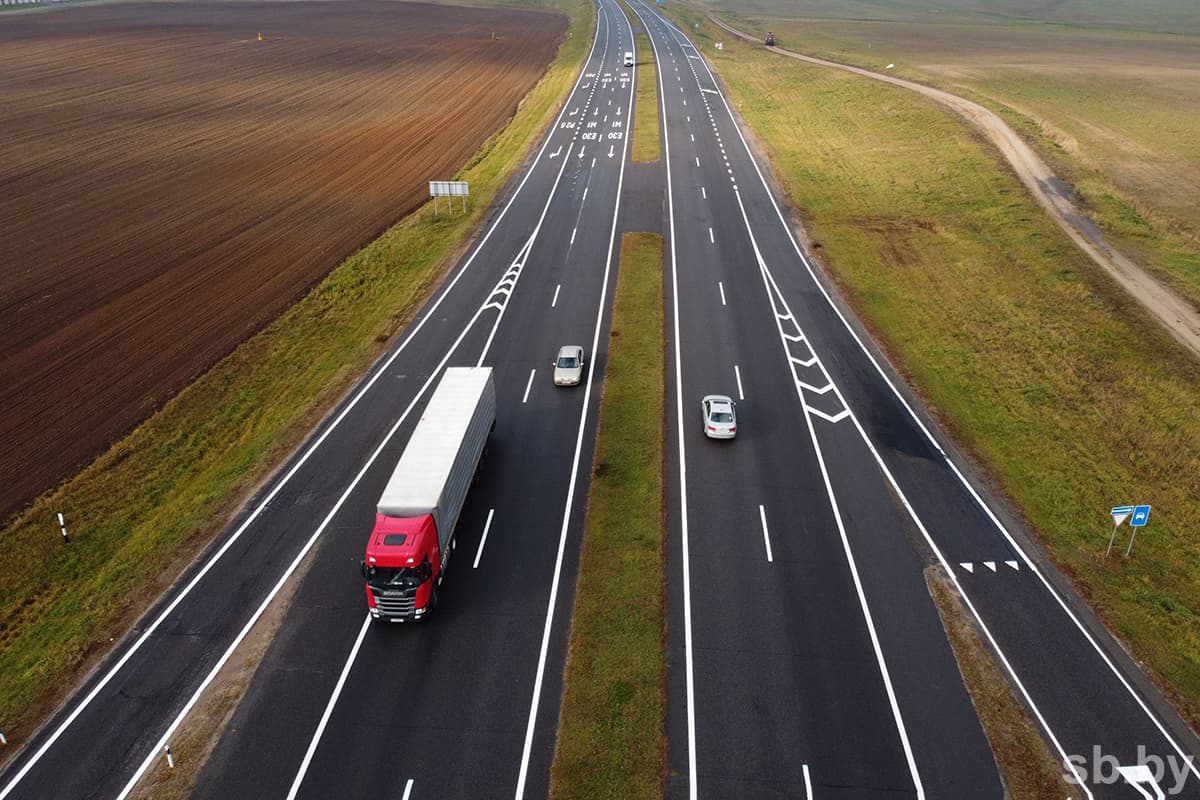
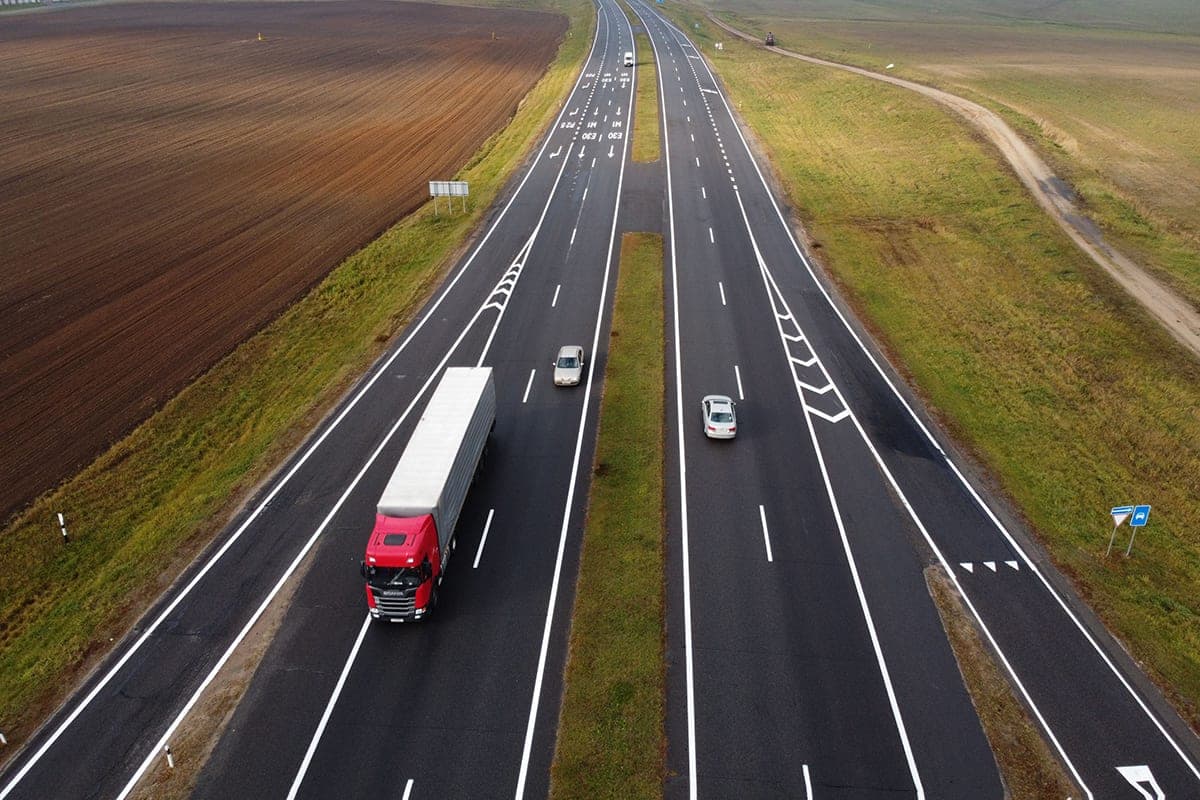
Deputy Head of the Main Department of Roads of the Ministry of Transport and Communications Sergey Leonchik said that in Belarus in 2026-2030 they plan to repair 25 thousand kilometers of public roads and about 500 bridge structures. Such tasks are envisaged by the State Program “Roads of Belarus” for 2026-2030. The envisaged scope of work is 1.4 times higher than in the previous five-year plan.
The country operates about 16 thousand kilometers of republican and 70 thousand kilometers of local roads. This year, more than 4 thousand kilometers of roads have been repaired. Among the republican facilities, Sergey Leonchik singled out the reconstruction of the R-53 on a site ten kilometers from Zhodino to Borisov:
Sergei Leonchik. We connected Minsk with the Borisov road of the first category with four lanes for traffic. We are completing the reconstruction of the R-46 from Lepel to Sorochino - the section of 30 kilometers will be completed in due time. Large-scale work was deployed in the Gomel region on the M-10. The reconstruction of one of the sites from Rechitsa to Kalinkovichi is being completed. We plan to complete 16 kilometers.
Also coming to the end of work on the bridges across Vilia at the entrance to Vileika and through Muhavec on R-2 near Kobrin.
- On average, we intend to annually repair and reconstruct 100 bridge structures and about 4.5-5 thousand kilometers of roads. We are on schedule, issues of additional financing are being worked out in order to accelerate the pace and engage contractors at the maximum level of capacity, Sergey Leonchik added.
A separate direction is the transfer of the main road exits from Minsk to cement concrete coating. It should increase the strength of roads on which freight transport is actively moving, prolong their service life and reduce the cost of subsequent repairs.
Intelligent transport systems are also developing. In accordance with Decree No. 311 of August 20, 2025, their single operator is created. The functionality of such systems includes video surveillance, traffic monitoring, overall weight control, dynamic weighing and automatic detection of incidents on the road network. In Minsk for the season updated about a million square meters of road surface. Work with a complete replacement of the coating was carried out not only on main streets and avenues, but also in residential areas.
Ruslan Yasyuchenya. “They were carried out on the streets of Plekhanov, Railway, Alibegov, Gromov, Vaupshasov, Filimonov and others,” said Ruslan Yasyuchenya, head of the Center department of the GPO “Gorremavtodor of the Minsk City Executive Committee.”.
In addition to the complete replacement of the coating, road services eliminated the gauge, updated pedestrian connections and bike paths, equipped a barrier-free environment for people with limited mobility. Protective layers are equipped on 25 sites, and cracks are eliminated for more than 1.3 thousand kilometers. Also installed new stopping pavilions that meet the requirements for frame structures and glazing. In Belarus, a unified state information system for the sale of tickets for suburban and intercity passenger transportation is being created. Software development is expected to be completed by the end of the year. From February 1, 2027, the participants of the system will be able to enter the necessary data.
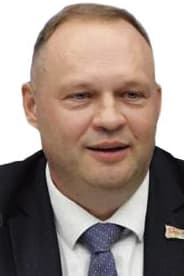
Andrei Smooth. Now the passenger has to use several services to choose the best route. Combine resources into one information system. At the same time, the operation of related booking systems, ticket sales is not prohibited. The passenger will be able to contact both the existing information system and the GIS Ticket Sale platform in general. Information will be available about all flights, free seats, — said the head of the Department of road and urban passenger transport of the Ministry of transport and communications Andrey Gladky.
At the same time, payment methods for travel are changing. A unified payment system in urban public transport is already operating in Minsk, and in 2027 it is planned to be introduced in all cities of the country. Currently, public transport organizations are purchasing equipment. Passengers will be able to pay for travel not only with a ticket, but also through a mobile application or a bank card.
In small towns, the demand for transport also requires flexible solutions. One of them is being checked in the Maloritsky district of the Brest region, where a pilot project of transportation on the application was launched. The essence is simple: a bus or minibus goes along the route or enters a certain settlement, if there is such a request of the population.
- We will see how the project will prove itself in the Brest region, and starting next year we will implement it everywhere so that people who live in small settlements have the opportunity to use transport services, said Andrey Gladky.
By the way, in the first nine months of 2026, public transport organizations updated their rolling stock by 8 percent. 480 buses, 15 electric buses, 35 trolleybuses and two trams were purchased. At the end of the year, the indicator is planned to be brought to 13.5 percent. More practice Andrey Gladkiy said that the country adjusts the unified training programs for drivers. The first stage will be the introduction of changes to the state standards STB 2191.1-2020 and STB 2191.2-2020, which will come into force from January 1 next year. The changes will then affect single programs.
It is planned that the number of hours of practical driving will increase from 50 to 70, but the total duration of training will remain the same. The possibilities of using modern technologies, including simulators and software products, will also expand.
The requirements for vehicles used for training will also change. According to the representative of the Ministry of Transport, they will need to be equipped with video and audio recording systems that record what is happening both in front of the car and in the cabin.
- It is envisaged that video and audio should be stored for one month, and information related to control classes or exams should be stored for six months, said Andrey Gladky.
In the field of taxis, DVRs have already helped resolve many controversial situations and increase discipline, so a similar result is expected to be achieved in the training of beginner drivers.
stepanchuk@sb.by


