
An alternative method for determining obesity using body mass index
An alternative method of measuring obesity using body mass index could prevent misdiagnosis in millions of people
According to doctors, an alternative to BMI for diagnosing obesity could prevent misdiagnosis in millions of people around the world, as it allows you to more accurately distinguish healthy people from people with harmful excess body fat.
Medical experts have long considered body mass index a crude tool for determining obesity, leading to concerns that a significant number of people with excess body fat are overlooked while others, healthy, are misdiagnosed.
The new approach, which combines BMI with other body measurements and functional organ tests, suggests that BMI alone does not detect obesity in 5-9% of adults, while misdiagnosis of the disease occurs in as many as 3%.
“This misclassification can affect tens of millions of people, so inaccuracy in determining BMI is a big problem both nationally and for individuals,” said Francisco Rubino, professor of metabolic and bariatric surgery at King’s College London.
Body mass index is calculated by dividing weight in kilograms by height in meters squared. Around 1.6 billion people worldwide are overweight, meaning their body mass index ranges from 25 to 29.9, and nearly a billion people with a body mass index of 30 or more are obese. Two-thirds of adults in the UK and more than 70% of adults in the US are overweight or obese, based on BMI alone.
Rubino and his colleagues examined the medical records of more than 800,000 people in the UK, US, China and Spain to test the approach to diagnosing obesity that he and other world experts proposed last year in a report by the Lancet commission. They used these records to track people's health for 15 years.
Under the new definition, a person with a BMI of more than 40 is considered obese, but doctors check people with a lower BMI for excess body fat by checking their waist volume.
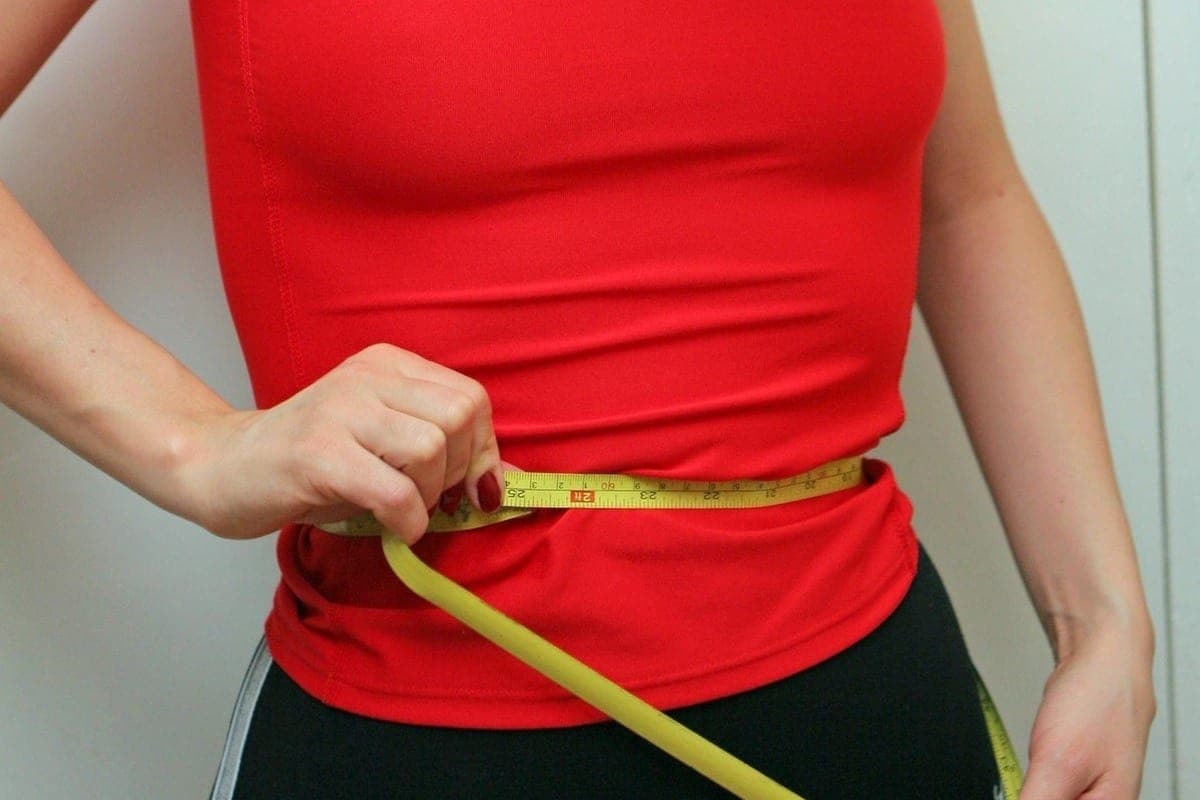
A body mass index of more than 30 with an overestimated waist or waist-to-height ratio is considered obese, as is a body mass index of 25 to 29.9 with an overestimated waist measurement and waist-to-height ratio. In most countries, an inflated waist means more than 102 cm for men and 88 cm for women, while the threshold for the overwaist-to-height ratio is about 0.57.
At the second stage of diagnosis, doctors distinguish between clinical obesity, that is, an active disease in which excess body fat already disrupts organ function, and preclinical obesity, in which excess fat is a health hazard, but does not cause problems.
Under the new definition, obesity rates overall rose only marginally, with only a quarter to a third of obese people, or 5% to 10% of the general population, suffering from clinical obesity and a significantly higher risk of death.
This approach allows doctors to distinguish between healthy and sick people with the same body mass index. For example, three people with a body mass index of 32 will be classified as obese, but they will have completely different diagnoses. One may not have excess body fat and may be healthy, another may have excess fat but no organ dysfunction and may have preclinical obesity, and a third may have excess fat and organ dysfunction and may have clinical obesity.
In a paper for the journal Nature, the scientists describe how some people with a high BMI were not obese under the new definition and actually had a lower risk of mortality than others considered healthy. Reassuringly, 80% to 90% of people with preclinical obesity did not progress to clinical obesity or active disease over the next 10 years. This approach complicates the process for clinicians, but Rubino said people should be diagnosed with obesity on an individual level to provide the best possible medical care, whether it be lifestyle recommendations, weight loss medications or surgery.


