
Named able to protect the aging brain popular snack
Popular snack you can eat every day may protect aging brain, new study claims
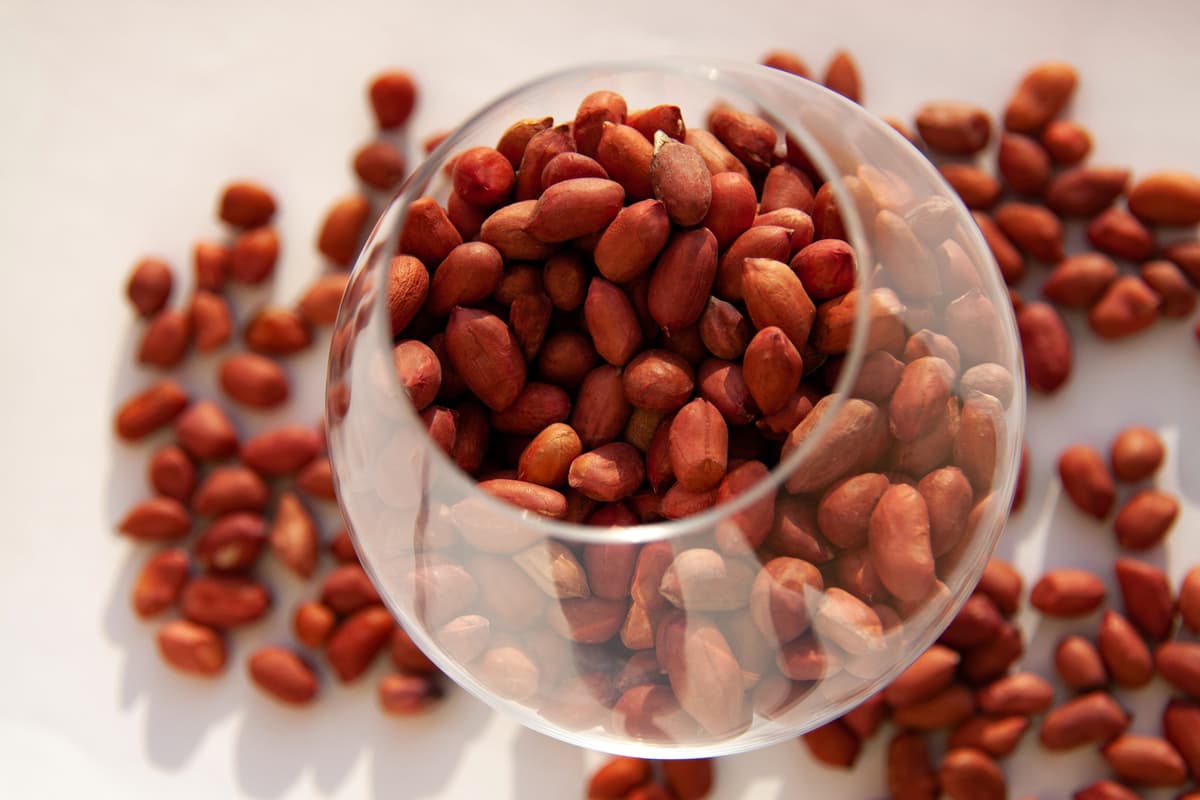
A diet rich in nutrients is essential for heart, vascular and brain health, especially in old age, to protect the blood vessels of the brain, reducing the risk of impaired brain function, stroke and dementia.
And although peanuts, in fact, refers not to nuts, but to legumes, it has many beneficial properties for the heart and metabolism, being a simple source of vegetable protein and healthy fats. A favorite snack can also improve the memory of the aging brain.
A study published in the journal Food & Function found that two servings of unsalted fried peanuts a day (about 60 grams) improved insulin production in memory-related brain regions.
Insulin is an essential hormone for brain function, involved in memory, learning and communication between nerve cells, the New York Post reports.
“With age, a person’s brain may become less sensitive to insulin, which is associated with age-related cognitive decline,” senior study author Dr. Peter Joris told SciTechDaily.
The researchers asked 31 healthy adults between the ages of 60 and 75 to eat two servings of peanuts a day for 16 weeks, either in one sitting, sharing them throughout the day or adding them to a meal, and during a control period without nut snacks.
To track the brain response, insulin was injected through the nose and regional cerebral blood flow was measured using spinal-labeled magnetic resonance imaging (ASL-MRI).
Increased blood flow to the brain provides the oxygen and nutrients needed to maintain cognitive function even as we get older.
The team also assessed cognitive abilities using an automated battery of Cambridge neuropsychological tests.
Changes in the brain’s response to insulin have appeared in areas responsible for memory, suggesting that snacking improves brain performance.
Another study in 2025 found similar results when eating peanuts for four months, which showed increased cerebral blood flow and improved verbal memory.
“The many nutrients found in peanuts, including unsaturated fats, dietary fiber, vitamins and minerals, as well as bioactive phytochemicals, could potentially contribute to improved brain function,” Joris said.
Peanuts are not only a good and fast source of protein, but are especially rich in L-arginine, an amino acid that helps produce nitric oxide that promotes learning and memory.
Antioxidant-rich peanuts may also help slow the aging process by reducing inflammation and maintaining the length of telomeres, or “caps,” at the ends of your chromosomes, the New York Post notes. With age, telomeres become shorter, which can contribute to age-related diseases such as cancer, type 2 diabetes and heart problems.
But, of course, it should be remembered that there are people in whom peanuts cause severe allergies.


