
Ophthalmologist named 7 harmful to the eyes common daily habits
Specialist-ophthalmologist called seven common daily habits can harm eye health
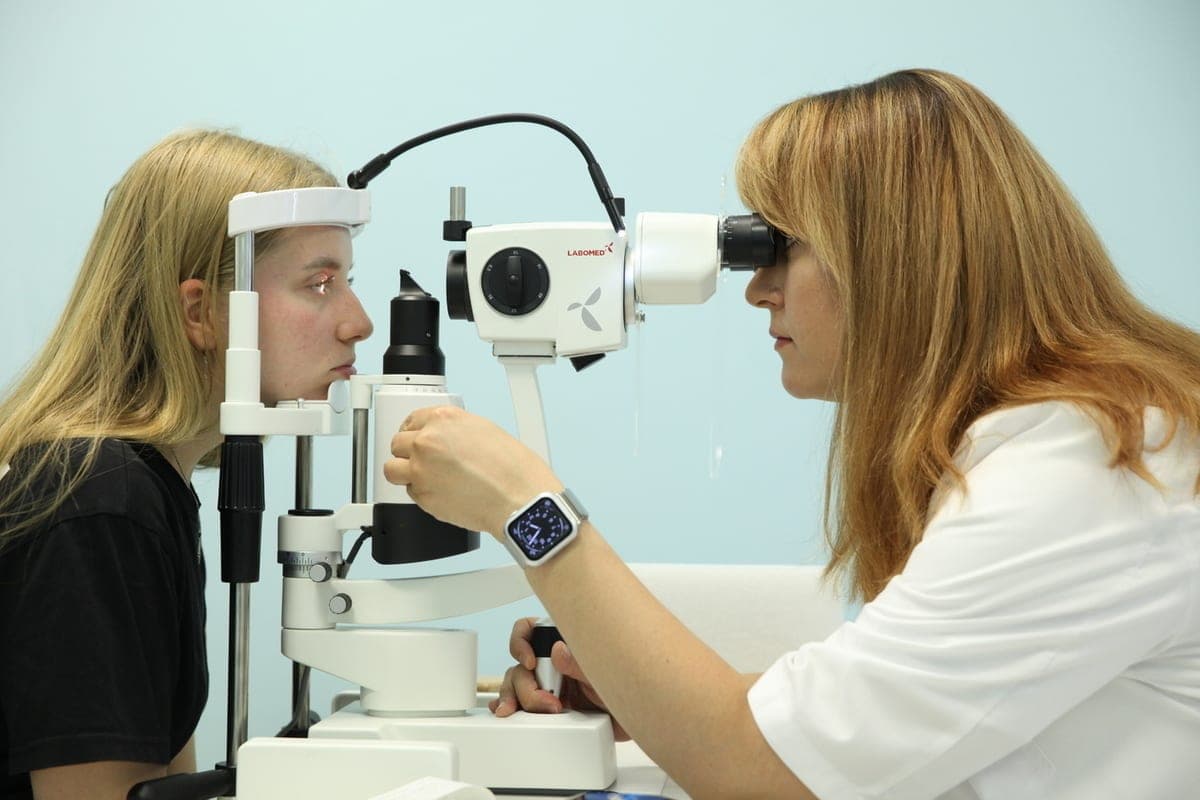
Dr. Douglas Lazzaro, a professor of ophthalmology at New York University Health in Langon, warned that some everyday habits can imperceptibly affect eye health. Age-related eye diseases include glaucoma, which damages the optic nerve, and cataracts, a clouding of the lens of the eye that can block light and impair vision, the New York Post notes.
While genetics and aging remain the main causes of many eye diseases, preventing the following common mistakes can help slow their progression and protect vision, Lazzaro told Fox News Digital.
No 1: Your eyes are not protected from the sun
Although exposure to sunlight has a beneficial effect on your overall metabolic state and life expectancy, insufficient eye protection from the sun can lead to accelerated damage.
Douglas Lazzaro pointed to research suggesting that prolonged exposure to ultraviolet light may contribute to macular degeneration and cataract progression.
In his own practice, the doctor appears five to ten years earlier than three decades ago, which, in his opinion, may be due to exposure to ultraviolet radiation. He recommends wearing sunglasses in bright sunlight to protect the eyes, including the lens and retina.
No 2. Poor light reading
According to Lazzaro, reading in poor light can increase eye strain and make it difficult to focus, especially with age. “As we get older, it becomes harder for our eyes to see under certain lighting conditions,” he told Fox News Digital, noting that older adults may find it harder to adjust to darker surroundings.
“If you’re going to read and it’s not a very bright sunny day outdoors or you’re in a room with insufficient lighting, you should increase your light exposure.”.
No 3. Unhealthy eating
Research suggests that a healthy diet may protect eye health by lowering the risk of diabetes and cardiovascular disease, which can affect vision.
“Nutrition is important,” Lazzaro said. “There is certainly a lot of evidence that poor diet contributes to cardiovascular health, and the same can be said for eye health.”.
High cholesterol and high blood pressure can aggravate diabetic eye disease, even if patients may not realize that these conditions are affecting their vision. Researchers are also investigating whether gut health may affect retinal health, although this link is still being elucidated.
No 4. Insufficient amount of fluid
Another condition that becomes more common with age is dry eyes, in which a lack of tearing and sebaceous gland secretion causes redness, itching and eye irritation. This condition can be exacerbated by lifestyle factors such as dehydration, Lazzaro notes. According to him, constant hydration helps to keep the cornea properly moisturized. “We always advise our patients, especially in summer, if they are going outside on a hot day, to drink water because it will not only dry the body, but can also lead to dry corneas.”.
No 5. Bad sleep
According to Lazzaro, getting enough sleep helps maintain overall health, and there is “strong evidence” that patients who sleep poorly, especially those with sleep apnea, may experience elevated eye pressure.
People with sleep apnea are also more likely to experience glaucoma and some vascular eye diseases, which is similar to their increased cardiovascular risk. They also have an increased incidence of vascular eye disease. People who do not sleep well have impaired blood circulation at night.”.
No 6. Rubbing your eyes
According to Lazzaro, eye friction is considered a risk factor for keratoconus, a progressive eye disease in which the cornea begins to bathe and protrude in the shape of a cone, although experts differ on whether it can directly cause the disease. The ophthalmologist noted that patients with keratoconus often rub their eyes, and repeated friction could potentially change the shape of the cornea - one reason he "strongly" recommends quitting the habit.
7. Postponing regular visits to the ophthalmologist
According to Lazzaro, because glaucoma often develops asymptomatically, a comprehensive eye exam is often the only way to detect it early. Glaucoma is known as a “silent illness” that can lead to blindness, the doctor noted. “She’s called the ‘silent vision thief,’” he said. Sometimes the only way to know if you have glaucoma is to see an ophthalmologist. As we age, we experience this disease more and more.” Lazzaro recommends that adults undergo an annual eye exam, rather than waiting for age-related vision changes to begin. Presbyopia — the gradual loss of the ability to focus on nearby objects — usually develops in middle age and often leads to the need to wear reading glasses. “Patients come in at some point, usually between the ages of 40 and 50, and say they can no longer see up close; it happened overnight,” he said.
Annual visits should also include screening for skin cancer and eyelid tumors, which are more common with age. According to Lazzaro, sun exposure can lead not only to cataracts and macular degeneration, but also to eyelid cancer. “Most of them can be removed locally without much trouble if diagnosed early,” he added.