
Why the dough does not rise: the scientist called the main mistakes when working with yeast
Many housewives are faced with the fact that the dough does not rise, the bread turns out to be flat, and the opara spreads over the viper
Let's start with what yeast is. They are presented in three types: pressed (fresh), dry active and fast acting (instant). All these are the same microorganism, but different yeasts are produced using different technologies. Pressed consists of water, protein, carbohydrates, fats and B vitamins. The more moisture in the product, the faster it deteriorates if stored improperly.
Pressed yeast looks like a moist, crumbly bar, similar to soft feta cheese. Before use, they must be crumbled and diluted in warm water. Store them only in the refrigerator, and their shelf life is limited to several weeks.
Dry active yeast is obtained by drying biomass. In the process of drying, some cells die, but they form a protective shell around the living. Therefore, such yeast should be “dissolved” in warm water before use. Even if the production is modern and gentle, the living cells in the pack can still be inactive, so it is better to check their activity before mixing.
Instant (fast-acting) yeast is also obtained by drying, but using a more gentle technology. Due to this, the yeast mass is more porous and quickly distributed in dry ingredients without prior dilution in water. Due to low humidity, such yeasts are stored longer than all other species.
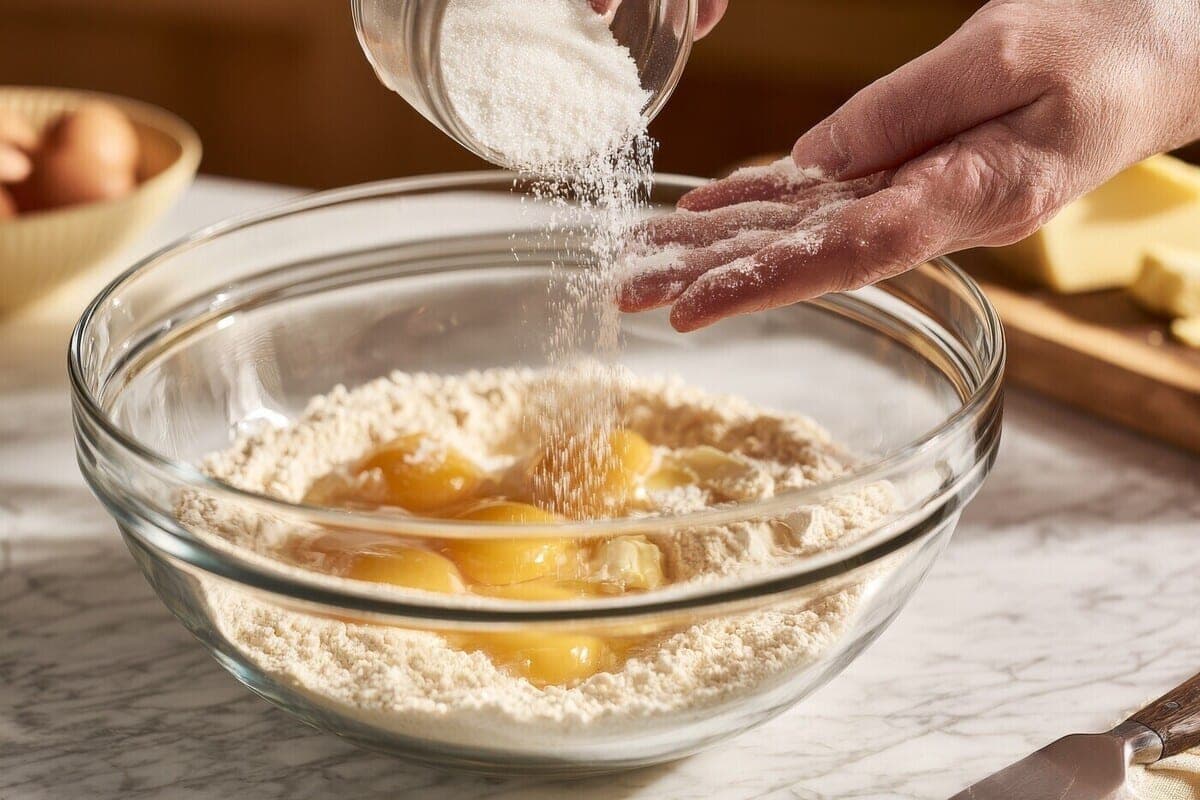
Artem Morozov notes that the type of yeast affects the taste and quality of finished bread little. The difference lies mainly in the ease of use and speed of lifting the test. "Separately, it is worth mentioning the butter dough, which contains a lot of sugar, eggs and butter (for example, cakes, brioches, butter buns)." Such dough is more difficult for yeast to lift, since sugar and fat prevent cells from working normally. Therefore, for muffins, you usually need to take one and a half to two times more yeast than for ordinary bread. However, it is better to use special osmotolerant yeast, which is created specifically for the test with a high content of sugar and fat. They work in such conditions much better than ordinary dry yeast, says the expert.
What to do if the recipe mentions fresh yeast, and only dry at home? Artem Morozov recommends using a simple formula: dry yeast will require 2.5 times less weight than fresh yeast. And vice versa, respectively. If the recipe requires fresh, and there are instant, divide the weight of fresh by 3. Dry active and instant are interchangeable on the principle of 1:1. The only difference is the method of introduction into the dough: active yeast is first dissolved in warm water with a pinch of sugar, and instant yeast is poured directly into flour.
How do you store yeast? Again, it depends on their kind. Pressed ones are stored in the refrigerator, preferably in the original packaging or parchment (optionally - film), at a temperature of 0 to 4 ° C. It is recommended to use them for 1-2 weeks.
Dry active and instant yeast should be kept in a cool and dark place, such as a pantry or refrigerator, before opening the package. After opening, they should be placed in a sealed container and stored in the refrigerator so that they can persist for many months.
It is not recommended to store yeast near sources of heat and moisture, such as a stove, oven or wet cabinets, since the elevated temperature significantly accelerates the process of cell death.
“Yeast is a living organism, and its ageing is directly dependent on storage conditions. In one experiment, pressed yeast was stored for twelve days at a temperature of +4 °C and +24 °C. The results were striking: at room temperature, the yeast almost completely lost its ability to lift dough. This is due to the fact that at room temperature, yeast cells quickly consume the protective substance that they accumulate to maintain their vital activity. In the cold, the cells “hibernate”, and this substance persists much longer. The second important factor is moisture. The drier and tighter the packaging, the longer the yeast retains its properties, without wasting the resource in vain. It follows that an open pack of dry yeast should be tightly closed and stored in the refrigerator, and not in a warm place next to the stove, says Artem Morozov.
Can they be frozen? Pressed yeast can be stored in the freezer for up to three months, if previously tightly wrapped in film and placed in a sealed container. Yeast should be thawed gradually, bringing them to room temperature.
Freezing is stressful for yeast cells. Without additional protection, they lose vitality, especially if they are in the freezer for a long time. This is due to ice crystals that damage cells. However, yeast has a natural defense mechanism – a protective substance that accumulates inside cells and acts as a cryoprotectant, increasing their survival after defrosting.
Dry yeast can also be frozen, as its low humidity makes it more resistant to cold compared to fresh yeast. At the same time, it is important to take only the necessary amount from the freezer to avoid multiple cycles of freezing and defrosting. Condensation inside the package significantly increases humidity and accelerates cell death.
You can freeze ready-made yeast dough, and store in the freezer for up to two months. This is convenient for those who want to prepare ingredients for pizza or buns in advance. It is important to wrap the dough tightly so that it does not dry out and absorb foreign smells.
For defrosting, the dough should be moved from the freezer to the refrigerator at night, and then left at room temperature until complete thawing and lifting. Rapid defrosting in the heat or microwave negatively affects yeast: some cells die, which impairs the elasticity of the dough and its ability to keep in shape. If the dough should be stored for no more than a day, it is better to leave it in the refrigerator: the cold will slow down the fermentation process, and in the morning it can be used.