
Does dietary supplements actually work: the opinion of doctors about the benefits and harms of supplements
Supplements flooded the pharmacies. But do they work? 5 situations with proven benefits and 3 red flags when buying Read it before going to the pharmacy.
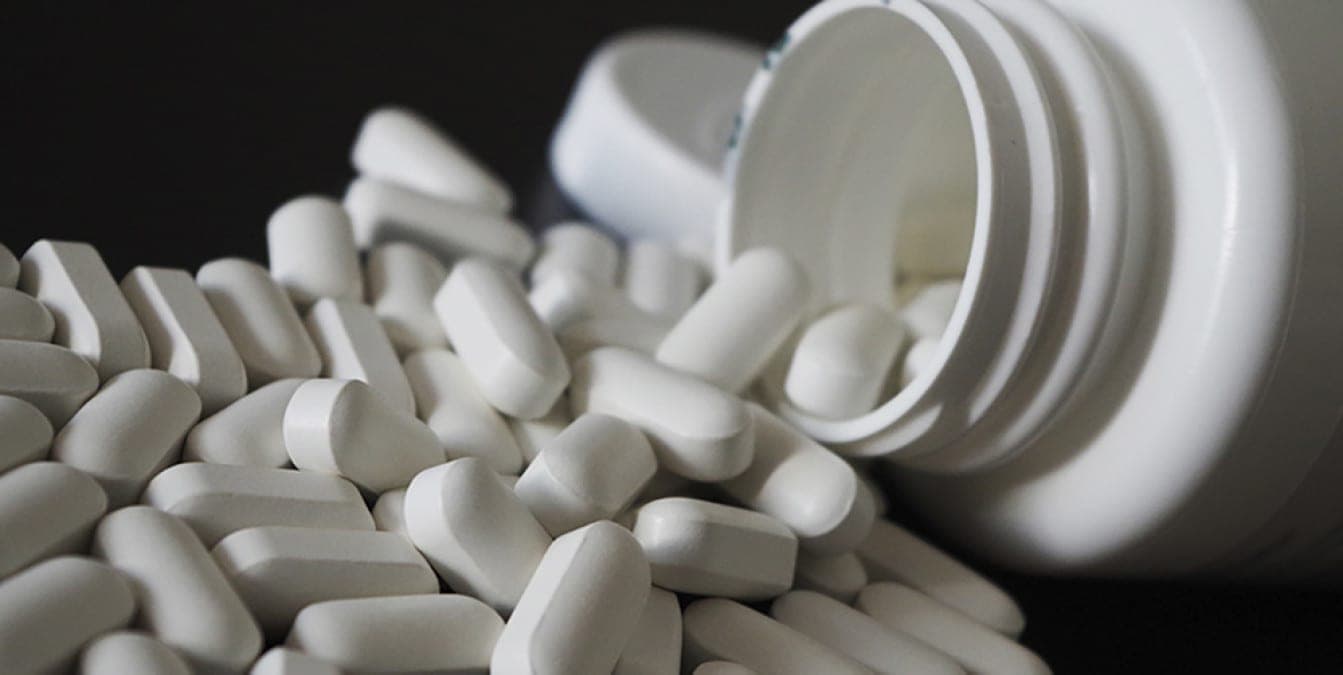
Biologically active supplements (BAAs) flooded pharmacies, marketplaces and social networks: manufacturers promise strong immunity, healthy joints, beautiful skin and even slowing down aging. But do these supplements really work, who might benefit from them, and where does the scientific evidence end? We understand, based on the position of the Ministry of Health of Belarus and the comments of doctors.
What is dietary supplement and how it differs from medicine
Supplement is not a cure. It is a food product designed to make up for nutritional deficiencies, improve the general condition of the body and maintain it.
Key differences:
- 1.Supplements are not intended for the treatment of diseases and do not have a pharmacological effect, unlike drugs.
- 2.Supplements do not undergo full clinical studies on safety and effectiveness, which are mandatory for drugs.
- 3.Manufacturers of dietary supplements are not required to confirm clinical efficacy before placing products on the market.
“Biologically active supplements are not drugs and are not intended for treatment! And this is very important to emphasize, since they are often equated with drugs. Since dietary supplements are not drugs, no serious scientific studies have been conducted on the effectiveness and effects of these substances on the human body. Accordingly, they can not have proven effectiveness, the doctors emphasize.
The position of the Ministry of Health of Belarus: a critical look at the composition and statements
The Ministry of Health of Belarus has repeatedly warned about the risks of uncontrolled intake of dietary supplements and urged Belarusians to be critical of the composition and declared properties of such products.
The official position of the department: uncontrolled intake of dietary supplements can lead to serious negative consequences for health - from mild side effects to severe lesions of internal organs.
Dosages of vitamins in dietary supplements are often therapeutic and should be prescribed exclusively by a doctor, and not taken independently.
The Ministry of Health has banned the import and sale of a number of dietary supplements, which revealed non-compliance with the requirements (including some complexes with vitamin D, B6, B12, NMN, astaxanthin, etc.).
“If you see any medicinal claimed properties on a food product or in any other information resource, please read other information, contact a medical specialist or the state health organization,” the Ministry of Health of Belarus said.
Doctors urge before taking dietary supplements to consult with a specialist and not replace them with drug therapy in the presence of clear indications for drug treatment.
What supplements have proven effectiveness: an honest analysis
Despite the general criticism, some supplements have a strong evidence base for specific indications.
Situations with proven benefits (according to international and Russian clinical recommendations):
- 1.Folic acid in pregnancy planning and in the first trimester – reduces the risk of neural tube defects (Cochrane Review 2015).
- 2.Vitamin B12 on a vegan diet - in plant foods it is practically absent, is mandatory for vegans and the elderly.
- 3.Vitamin D in northern latitudes (November to March) - the skin almost does not synthesize it, the position of endocrinologists confirms the need to prevent deficiency.
- 4.Iron with a confirmed laboratory deficiency (low ferritin) - only as prescribed by a doctor.
- 5.Iodine in iodine-deficient regions, primarily in pregnant women.
- 6.Omega-3 is a reduction in triglycerides and cardiovascular risks, although for dietary supplements with omega-3, there are no proven preventive effects in healthy people.
- 7.Magnesium - with sleep disorders, seizures, deficiency.
- 8.Probiotics (Lactobacillus, Bifidobacterium) - with antibiotic-associated diarrhea, irritable bowel syndrome.
The doctor clarifies that dietary supplements work with a deficiency of vitamin D, omega-3, iron, B12 (in vegans or the elderly), folic acid in preparation for pregnancy and in the first trimester. Based on world and Russian clinical recommendations, doctors prescribe vitamin D, omega-3, folate, iron, magnesium and nutritional complexes for elderly people with muscle loss and lack of protein, experts say.
What does not work or has a weak evidence base:
- 1.Supplements for “immunity” without confirmed deficiency – summarizing 28 studies, the Cochrane community found no evidence of their effectiveness for brain activity and immunity in the elderly.
- 2.Vitamin D for the prevention of fractures in people without deficiency – in a large VITAL study, there was no effect.
- 3.Collagen, hedgehog, ashwagandha, liquid chlorophyll, berberine and other “fashionable” supplements – often advertising promises are based only on small studies, laboratory experiments or individual positive results that cannot be extended to the entire population.
“First, in the case of many dietary supplements, there is still insufficient quality clinical trials. Often, advertising promises are based only on small studies, laboratory experiments or individual positive results that cannot be extended to the entire population.
Risks and Side Effects: Why Harmless Weeds Can Be Dangerous
Supplements can cause side effects, affect the results of laboratory tests and interact with medications.
Main risks:
- 1.Overdose of vitamins and minerals - therapeutic dosages in dietary supplements can lead to hypervitaminosis (especially fat-soluble vitamins A, D, E, K).
- 2.Drug interaction - dietary supplements can enhance or weaken the effect of drugs (for example, St. John's wort reduces the effectiveness of oral contraceptives, omega-3 enhances the effect of anticoagulants).
- 3.Poor composition and impurities - dietary supplements may contain substances not specified on the label, including prohibited components (the Ministry of Health of Belarus banned 8 Russian dietary supplements precisely because of the risk of severe organ damage).
- 4.False sense of security – people replace dietary supplements with the necessary medical treatment, wasting time for the treatment of serious diseases.
99% of dietary supplements do not have sufficient evidence and are not included in clinical recommendations. The main problem lies in the lack of a reliable evidence base and the risks of drug interaction, said gastroenterologist Alexander Prikazchikov.
How to choose dietary supplements and not make a mistake: checklist from doctors
If you still decide to take dietary supplements, follow these recommendations:
- 1.Consult your doctor – especially if you have a chronic condition, are taking medications, are pregnant or are breastfeeding.
- 2.Check the availability of state registration - in Belarus dietary supplements must have a certificate of state registration (you can check on the website of the Ministry of Health).
- 3.Study the composition – avoid complexes with “secret formulas”, incomprehensible plant extracts without specifying dosages.
- 4.Pay attention to dosages – they should not exceed the upper allowable intake levels (UL).
- 5.Give preference to mono-supplements – vitamin D, iron, B12, etc. separately, rather than “mega-complexes of 100 components”.
- 6.Buy from pharmacies and official distributors – avoid questionable online stores and sales via instant messengers.
“It’s another thing that the uncontrolled use of dietary supplements, which we are seeing now, may, let’s say, be unhealthful,” the Belarusian doctors noted.
Summary: Supplements are not a panacea, but can be useful in specific cases
Supplements are not a medicine and do not cure diseases. However, with a confirmed deficiency of certain nutrients (vitamin D, iron, B12, folic acid, iodine, magnesium, omega-3), they can be justified and useful.
The main rule: do not self-medicate, do not replace the prescribed therapy with dietary supplements and always consult a doctor before starting a reception.
Half of the doctors interviewed at least once prescribed dietary supplements, although a third believe that they do not give effect in treatment. Supplements do not pass full-fledged clinical studies on safety and effectiveness, so in general, doctors try not to use them in practice, especially instead of drug therapy, when there are clear indications for drug treatment, notes endocrinologist Denis Lebedev.
Read also:
- 1.The doctor revealed the whole truth about energy and dietary supplements. Watch "I'm in business."
- 2.Doctors called the main rules for the use of iodized salt
- 3.Belarus has banned popular dietary supplements - what is the reason?
Photo: Pixabay


