Hidden salt and sugar in foods are harmful to health. How to reduce the risk of heart attacks and other diseases
There is a direct link between an unbalanced diet and the development of dangerous non-communicable chronic diseases: cardiovascular, oncological, diabetes mellitus.
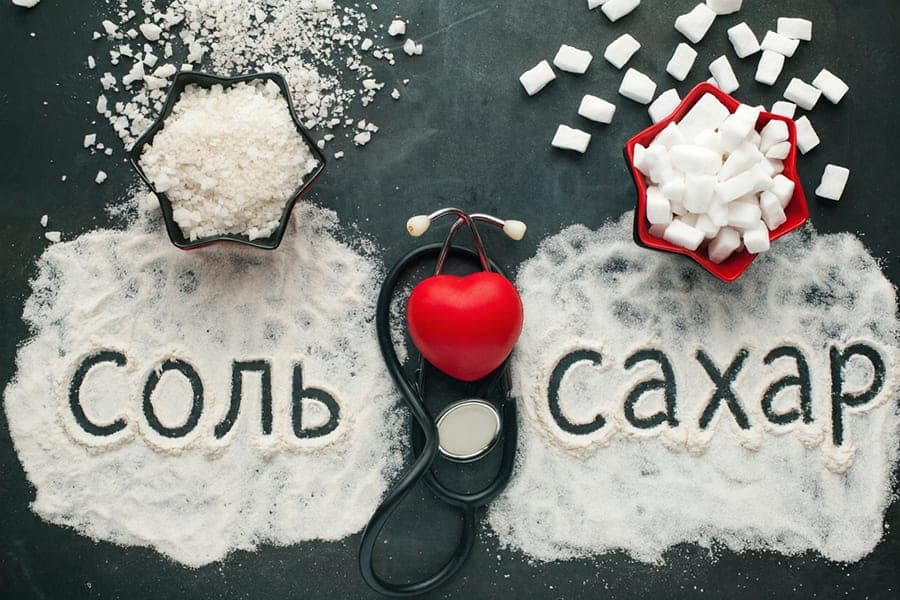
There is a direct link between an unbalanced diet and the development of dangerous non-communicable chronic diseases: cardiovascular, cancer, diabetes and metabolic syndrome. This was told by the head of the Minsk city health center Snezhan Kavrigo, the correspondent of the agency “Minsk-Novosti”.
According to the expert, the main health risks lie in the invisible components of everyday products.
- Up to 70-80% of salt and sugar enters the body in a hidden form as part of finished products of industrial production, said S. Cavrigo. Hidden salt in excess is found in bread, pastries, ready-made soups, canned vegetables and semi-finished products. The World Health Organization (WHO) recommends consuming less than 5 grams of salt per day. Therefore, to reduce the risks, I recommend first removing the salt shaker from the table.
Also, the head of the City Health Center called for limiting the intake of hidden sugar to 10% of the total daily calorie intake. We are talking about sauces (ketchup, barbecue), canned corn / peas, yogurt, cottage cheese pastes, “useful” bars, breakfast cereals. In addition, it is desirable to exclude from the diet "liquid calories" (sweet sodas and juices). Replace them with clean water.
To effectively support the cardiovascular system, Cavrigo recommended paying attention to diets that have a powerful evidence base. For example, the Mediterranean diet, based on the traditional diet of residents of southern Europe with an emphasis on quality fats and plant foods.
- The main source of fat here is unrefined olive oil of the first press (extra virgin), explained S. Cavrigo. - The basis is vegetables, fruits, greens, whole grains, legumes and nuts. Fish and seafood should be consumed several times a week, and poultry, eggs and dairy products should be consumed moderately. At a minimum - red meat, sweets, deep processed products and trans fats.
According to Cavrigo, the largest prospective randomized trial (PREDIMED) found that a Mediterranean diet fortified with olive oil or nuts reduced the risk of major cardiovascular complications (heart attack, stroke) by about 30% in people at high risk.
- This type of diet effectively slows the progression of atherosclerosis and improves the lipid profile, added Cavrigo.
The DASH diet (Dietary Approaches to Stop Hypertension), which was developed by the National Institute of Heart, Lung and Blood (USA) specifically to control blood pressure without or in addition to medications.
“The key principle of this diet is strict sodium control with a restriction of pure salt intake to 200-300 mg of sodium per day (about one teaspoon),” said Cavrigo.
In general, the specialist concluded, both diets focus on valuable plant products, an abundance of fiber and a complete rejection of trans fats, excess sugar and processed meat. The difference is that the DASH diet regulates the amount of salt much more stringently and strictly determines the amount of low-fat dairy products.
Important: Due to the high content of potassium and phosphorus in vegetables, fruits and nuts, the DASH diet should be used with extreme caution for people with severe chronic kidney disease.
“Meta-analyses on the DASH diet prove a significant reduction in the risk of developing hypertension, strokes, type 2 diabetes and coronary heart disease,” Cavrigo said.