
Scientists from the United States put forward an unexpected hypothesis about the brain
It is believed that over the years, the brain only loses its abilities: memories fade and details are erased
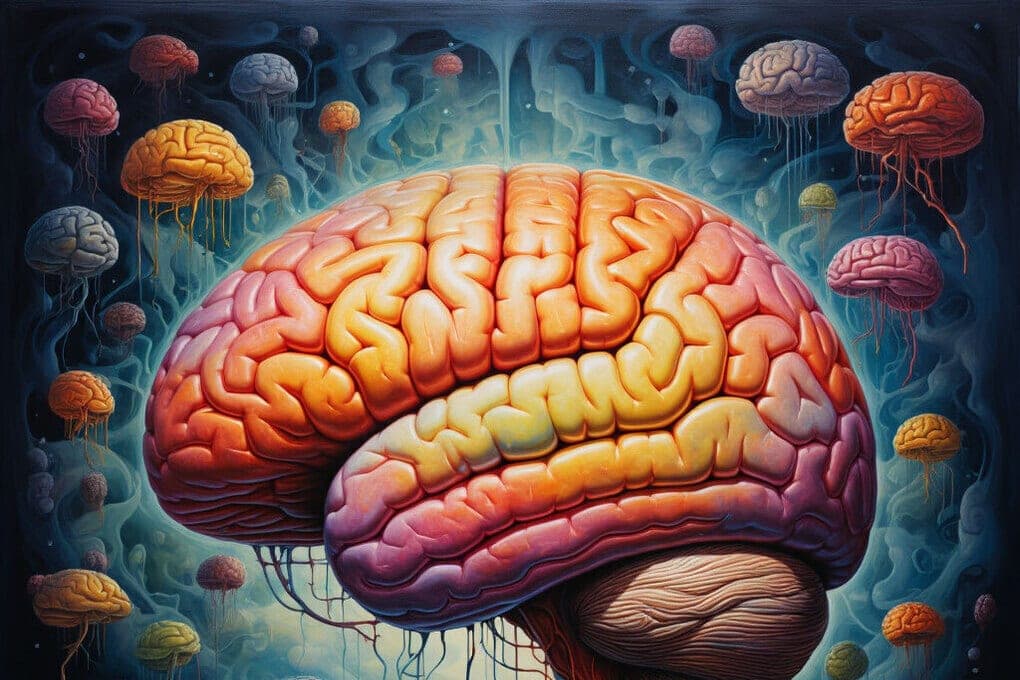
It is believed that over the years, the brain only loses its abilities: memories fade and details are erased. Researchers from the University of Arizona put forward a different hypothesis.
According to their concept of adaptive aging, when the brain reaches fifty years old, it rethinks its goals: it focuses less on accurately storing details and more on understanding the general essence of accumulated life experiences. Such a change is not a failure, but a natural milestone in development.
In killer whales, the biological significance of old individuals is clearly manifested. After the females stop breeding, they continue to live for many more years. Studying groups of killer whales in the waters off the coast of America and Canada revealed that the herd is usually led by experienced females, especially when salmon stocks are depleted: they know exactly where to find food.
The authors presented their theory in the periodical Perspectives on Psychological Science, using the results of neuroimaging and molecular biological studies. The plot revolves around the balance between the two mechanisms. The hippocampus is responsible for recording detailed events, preserving all the nuances and conditions. But the prefrontal cortex works differently: it extracts a key idea, finds connections and comprehends the main essence of phenomena.
Fabian-Jose Fernandez, co-author of the study, explains: Kids learn like a sponge, as they form their own archive. They still lack life experience, and they have no idea how the environment works. By the time of growing up, this collection accumulates, and it becomes more effective not to remember every case in all details, but to include it in the already established structure of knowledge. As a result, in the period from fifty to seventy years, the focus is transferred from the hippocampus to the frontal cortex.
A similar trend is observed among animals. Fernandez believes that this is due to evolutionary reasons. The centenarian becomes a custodian of knowledge, for whom the priority is to preserve the accumulated and pass it on to future generations, rather than remembering small details. Hence comes the power of old men as mentors, teachers, and storytellers.


