
Volgograd explained how nutrition and sports protect against sarcopenia
Doctor of Medical Sciences, Professor of the Department of Clinical Psychology and Psychological Assistance of the Institute of Psychology of the RSUPU named after A. I. Herzen Maria Sokolova spoke about sarcopenia - one of the problems of the elderly.
Sarcopenia is directly related to the loss of muscle strength and mass, and in the future - with limited mobility and increased health risks. In Russia, the diagnosis is confirmed in 21% of elderly people, and after 80 years, the proportion of patients reaches 50%, that is, pathology occurs in every second. Among people 60-70 years old, the indicator is lower – from 5 to 13%.
Main symptoms of the disease
The disease is manifested by a gradual weakening of skeletal muscles: a person loses strength, becomes more vulnerable to falls, fractures and disability.
Among the risk factors are age, gender, low physical activity, chronic diseases, nutritional deficiencies, hormonal shifts, atherosclerosis, obesity and neurodegenerative processes in muscle tissue. An important role is played by the change in the work of motor units - contacts between the nerve cell and muscle fibers: with age, they become smaller, because of which the muscles weaken.
The main risk groups are men over 60 and women over 75. According to the expert, sarcopenia is an integral part of age-related changes, but its progression can be slowed.
Basic preventive measures
Prevention of sarcopenia is based on an integrated approach, and one of its pillars is a balanced diet and body weight control. As Maria Sokolova emphasizes, both excess and severe weight deficiency accelerate the loss of muscle tissue, so it is important to monitor weight and timely treat chronic conditions that increase the risk of sarcopenia.
Particular attention should be paid to the consumption of protein: in old age, its need is higher than in youth. The optimal norm is 1-1.5 g per kilogram of body weight per day. In the diet should be present meat, fish, eggs, dairy products, legumes. Also useful are products with omega-3 fatty acids, antioxidants, vitamins C and E, selenium and creatine (the latter is found in seafood). An important role is played by vitamin D and other trace elements.
Equally important is the social aspect: loneliness and isolation can reduce motivation for physical activity and proper nutrition. Therefore, it is important for relatives to keep in touch with the elderly person and help them stay involved in everyday life.
How to Strengthen Muscles and Reduce Risks
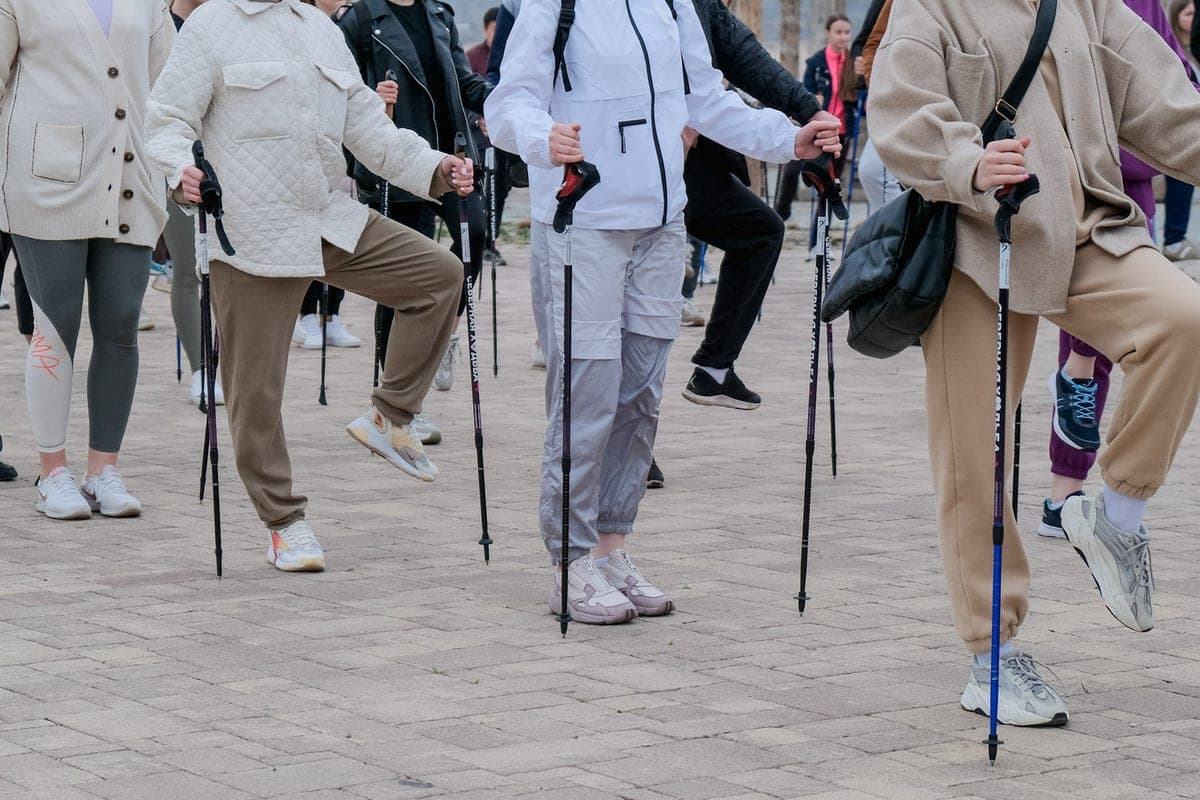
Effective prevention of sarcopenia is impossible without regular exercise. According to WHO recommendations, 150 minutes of moderate or 75 minutes of intense aerobic activity per week is enough. Walking, swimming, Scandinavian walking, dancing are suitable - they improve blood circulation, endurance and muscle functionality.
Strength exercises are also important, and not necessarily with additional weight: it is enough to work with your own. Useful movements involving the main muscle groups: lifting the arms above the horizontal, tilts, squats (preferably with a support to exclude the risk of falling). It is also necessary to include exercises on balance and coordination.
A separate area of prevention is the adaptation of everyday life to the needs of the elderly person. This includes the selection of comfortable furniture height, the installation of handrails in the bathroom, the use of non-slip coatings, the elimination of thresholds in the apartment and the choice of comfortable shoes. Such measures significantly reduce the risk of injury and help to maintain independence and activity for many years.


