
Flooded ocean liner turned into the world’s largest artificial reef
Famous US ocean liner flooded near Florida, turning into the world's largest artificial reef
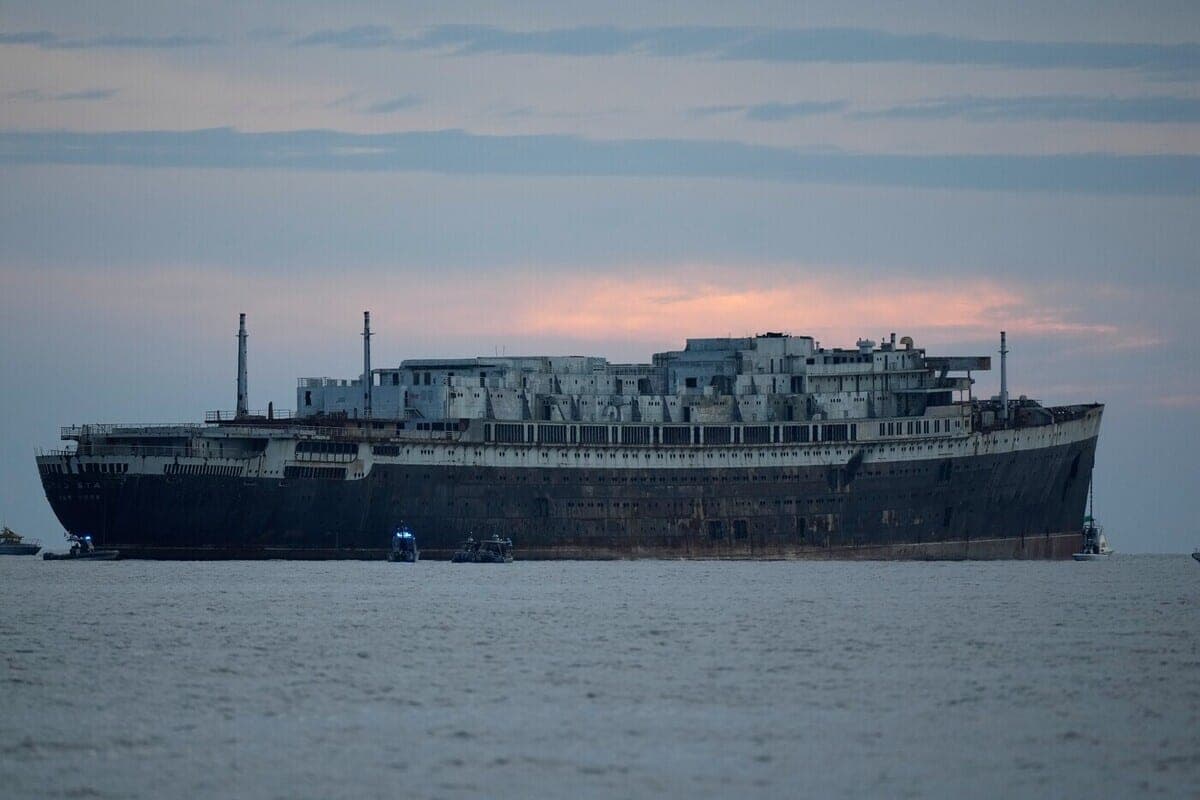
The historic ship SS United States came to the end of its voyage, sank on Wednesday off the coast of Destin, in Florida, where it will begin a new underwater life as an artificial reef.
The American-made vessel, about 300 meters long, once the fastest ocean liner in the world, was launched in 1952 and made history by setting a transatlantic speed record on its maiden voyage. During its 17 years of operation, the ship carried thousands of passengers across the Atlantic before being decommissioned in 1969.
On Wednesday, the vessel was launched at about 14:40 ET, and the dive process began shortly before 17:00. The vessel was hollow, with holes cut into its hull to allow water to pass through and help it sink vertically to the ocean floor. Over the next few hours, the ship gradually filled with water before finally sinking to the bottom of the Gulf of Mexico around 10 p.m.
The ship will be located on the seabed at a depth of about 50 meters, and the upper decks of the ship will be approximately 16 meters from the surface. This place, which is the world’s largest artificial reef, is expected to become a popular diving destination among amateurs around the world.
For years, the SS United States ship remained docked in Philadelphia as various owners tried to salvage and restore it. However, rising costs of maintaining the aging vessel have complicated conservation efforts. In 2021, port authorities raised daily parking fees to $1,700 - costs that the nonprofit SS United States Conservancy could no longer afford.
In 2024, Florida's Okalousa County purchased the ship for $1 million, with plans to turn it into the world's largest artificial reef. Officials expect this underwater structure to become a new habitat for various marine life, including red snapper, sea bass, amberjack, mackerel and tuna.
Before sinking the ship, Susan Gibbs, president and co-founder of the conservation organization for the historic ship, said: “The ship will become a reef, remain untouched and become a living and dynamic marine habitat, which, combined with the land museum and the experience of the visit, will honor the memory of its history in the most moving way.”.
Gibbs, whose grandfather, William Francis Gibbs, designed the ship, also spoke of his personal connection to the ship, saying: His relationship with the ship was, I would say, a real obsession. He joked that he loved the United States a thousand times more than my grandmother. He saw off the ship every time he set sail for Europe and was one of the first to greet the ship on his return


