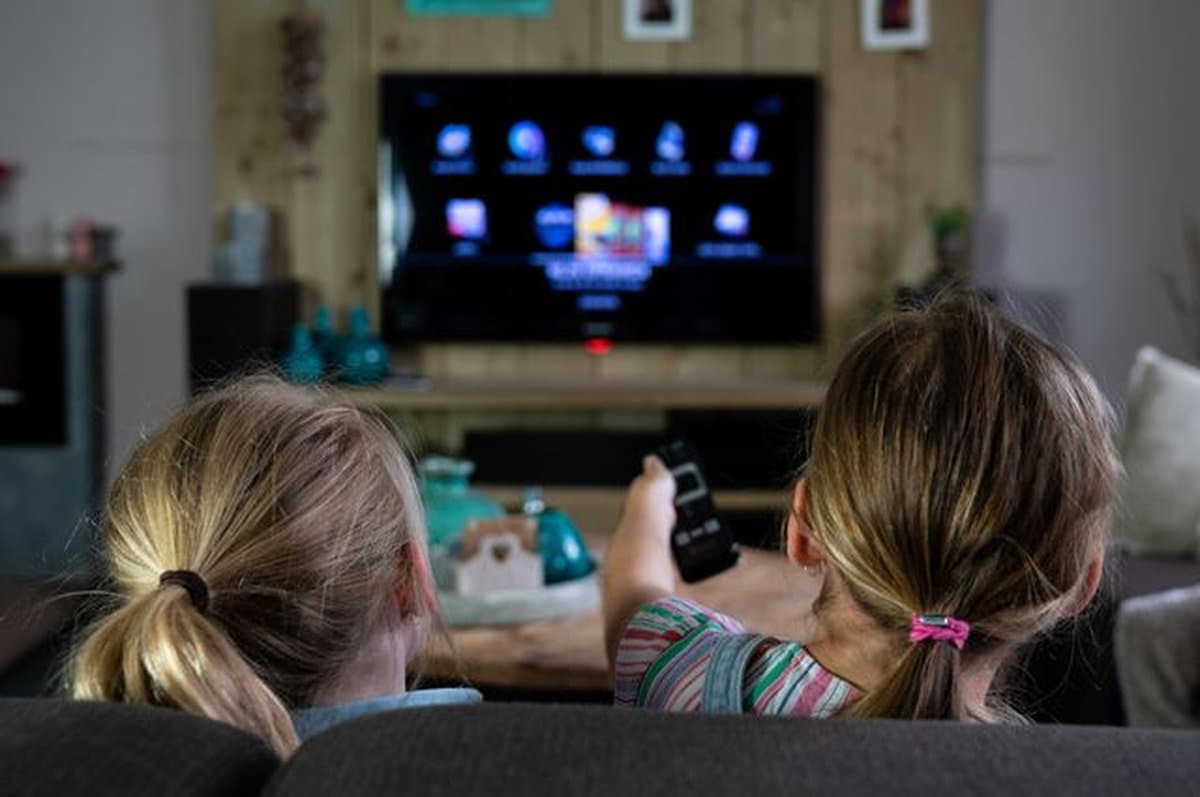
How media measurements are carried out in Belarus and why rural residents are included in the list of study participants
Why do the “black boxes” connect to the TVs of Belarusians, why you can not get into the list of participants in the media measurement by acquaintance and what is influenced by objective data.
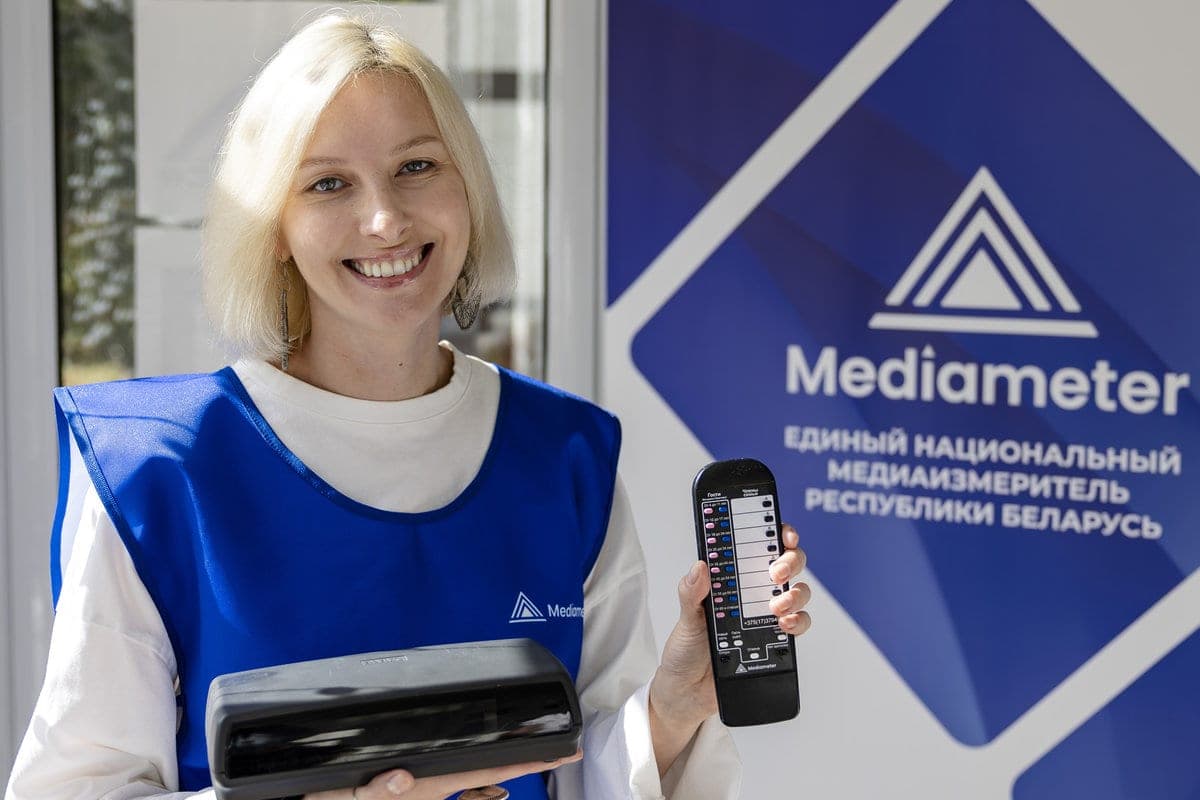
Why do the “black boxes” connect to the TVs of Belarusians, why you can not get into the list of participants of the media measurement by acquaintance and what the objective picture of TV viewing affects
No matter what you say, television is still relevant. True, the tastes and habits of viewers are constantly changing: all of them are reflected in the studies of a single national media meter - Media Measurer CJSC. This data helps channel managers to form a broadcast grid so as to get into the demands of the audience. Right now in Belarus is the second wave of installation research. Interviewers ask urban and rural residents about how and what they watch on TV.
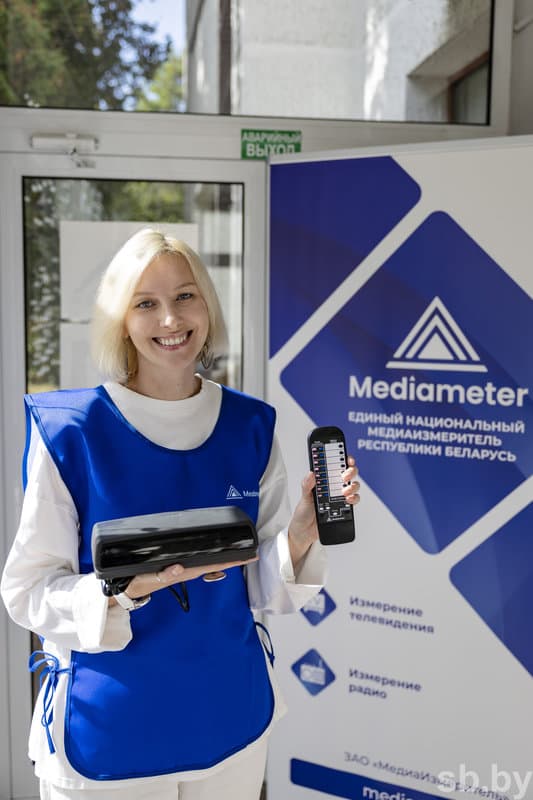
Today, media measurements are carried out in 550 households across the country — about 1,300 respondents and about 950 TVs. Moreover, the preferences of not only adults are studied - even children from 4 years old become important sources of information. But until now, the study only covered urban residents. Now the rural population is included in the TV panel, which will allow to get a more complete picture of TV viewing in the country. At the expense of the rural population, the number of households participating in the study will increase to 700.
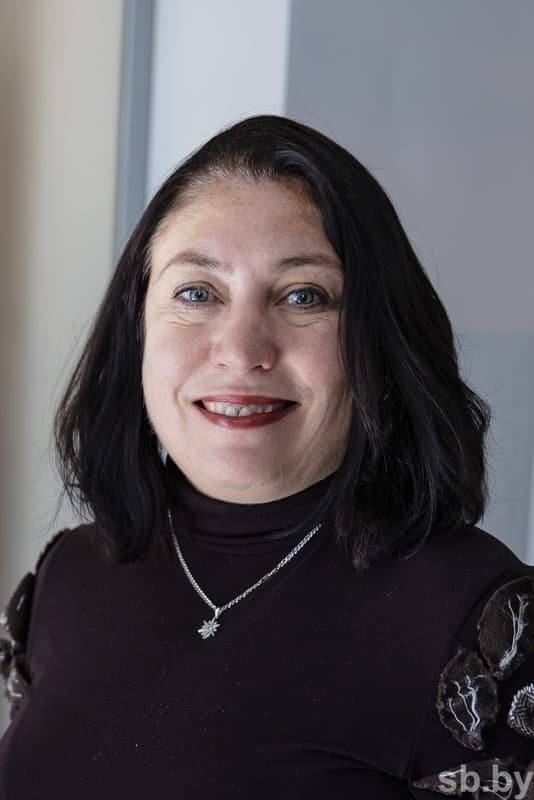
Irina Lashuk. “It all starts with a large-scale installation study – this is a large questionnaire for fifty questions,” says Irina Lashuk, head of the media measurement project at MediaMeter. Interviewers specify how many TVs are at home, what channels and programs a person prefers to watch, what time he spends in front of the screen, what is the composition of the family.
Then a panel matrix of studies is formed – a sample is created that will represent the population of the country. The third stage is the recruitment of participants, those to whose TV the pipemeter will be connected (in appearance resembles an ordinary set-top box). And finally, the collection of data on TV viewing begins.
Recruitment is a rather time-consuming process, continues Irina Lashuk. We cannot include close and familiar people in the study. Looking for people all over the country. The interviewer arrives at a predetermined random point of the conditional city of Slonim and walks along Lenin Street: the first house passes, the second enters. It's the same logic in the entrance. Those who have agreed to participate in the media measurement are given a pipemeter. A device with software is connected to the TV, and each family member has a button on the remote. I entered the room, pressed, walked out, pressed again. The device captures not just switching channels, but the presence of a specific person at the screen.
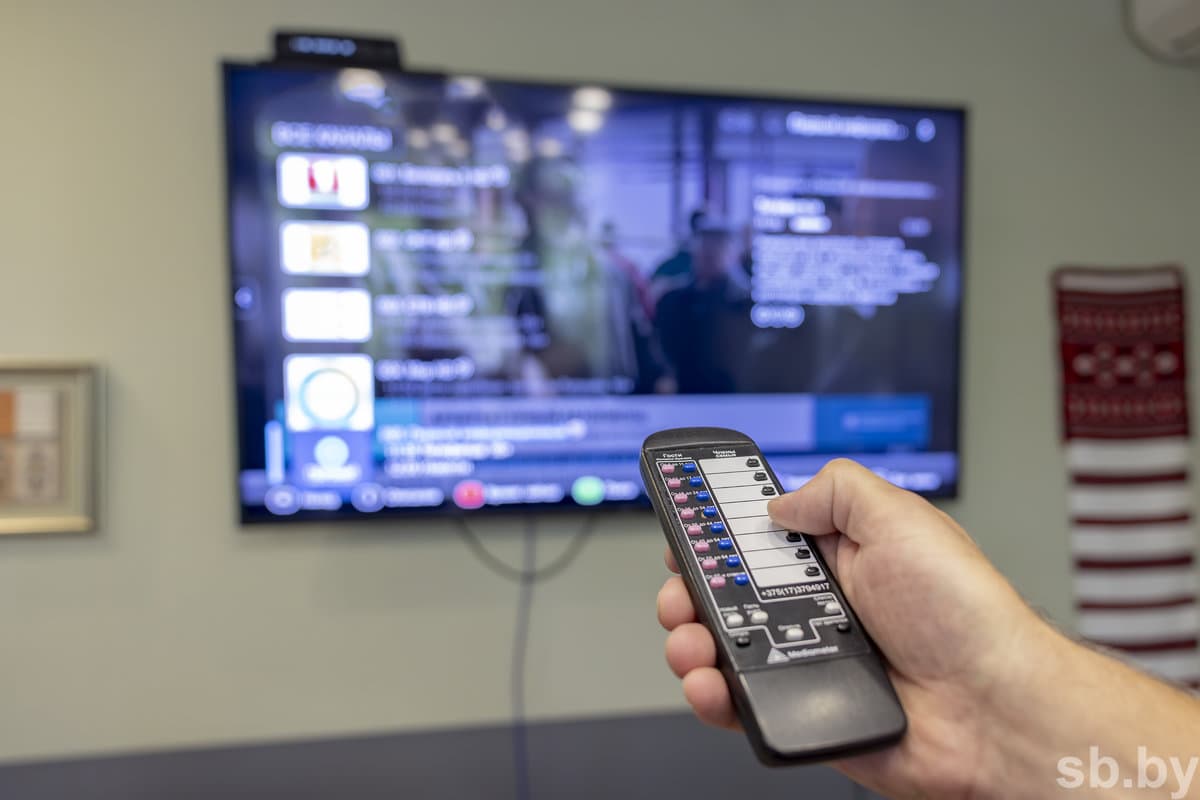
What if the child mistook his button for his mother? It’s not easy to do research: the company has a department that checks the data every day. If anomalies are recorded (for example, an adult transmission suddenly appeared on the baby button), they call the household and find out what happened. Such checks are necessary to detect technical errors or cases of button misuse and to prevent data distortion.
The process of processing them looks like a spy detective. Information from the devices flows into the system from 5 to 7 a.m. One server receives sound signatures from households, and the second constantly records all 60 TV channels in reference quality. A special program compares the sound from the TV with the sound of a reference recording and determines what a person watched. Thus, researchers get a complete picture on the basis of which ratings are formed. These are the numbers that come to media managers’ desks every morning.
- There is another strict rule: you can not turn a person into a “professional TV watcher,” emphasizes Irina Lashuk. To ensure that the panel remains relevant and does not form a habit of constant participation in the study, at least 15 percent of households are updated annually. All data of panel members is kept secret – this is a requirement of technology. There is also a financial reward for people. But the main thing is to help make television better. The whole point of this complex system is this: without feedback, television becomes boring. Channel managers see tables every day, where minutes are written how they watched a particular program. By the way, if the program shows low performance, this does not necessarily mean that it is not interesting to the audience. The outcome may be influenced by airtime, competing programs, and other factors. Media measurements allow TV channels to analyze the situation and make decisions, including about the release time of the program.
- We often hear an opinion, saying, what will change if I participate in the study? TV executives are interested in making quality content that is interesting to people. Everyone needs good ratings because it also affects advertising revenue. On the eve of the new television season, producers and TV executives are analyzing media measurement data. On their basis, experts understand that right now “enters” the audience, and come up with relevant content. Thus, the participation of viewers in the study helps to form a more objective picture of TV viewing in Belarus, and the data is used by TV channels in the planning of program policy. Participation in the media dimension is, of course, voluntary, but very important. If a person in a corporate vest knocks on you, shows an ID and asks you to answer a couple of dozen questions, do not rush to classify him as a fraudster and close the door. Perhaps your remote will help determine how interesting and competitive Belarusian TV will be.
SECURITY IS ABOVE EVERYTHING
The second wave of the installation study takes place from September 1 to October 30. Interviewers of MediaMeasurer CJSC work in branded vests, are obliged to present a certificate and tell about the purpose of the study. Interview questions relate to television viewing and characteristics required for the study. The interviewer does not ask for bank data, passwords, codes from SMS. Full anonymity of the interview is guaranteed.
RELATIVELY
On April 9, 2020, the President signed a decree “On the creation of a media measurement system”. Since then, the measurement of television audience in Belarus has become systematic and professional, based on international standards and technologies that work in more than 100 countries. The national team created its own system in just 9 months. CJSC “Media Measurer” is a resident of the High Technologies Park. What's in the top? The interest of the audience is used by information and analytical projects, entertainment programs and series
Among the information programs in demand among the audience are Panorama (Belarus 1), Our News (ONT), Vesti (Russia-Belarus) and Results of the Week (NTV-Belarus). Interest remains in socio-political programs, in particular to the talk show “Time will show” (ONT). Sports broadcasts also gather the audience: the attention of the audience was attracted by the World Cup matches on Sport TV, and hockey fans followed the KHL matches at Belarus 5.