Does Europe have a chance to avoid extremes: what does the lack of political courage lead to
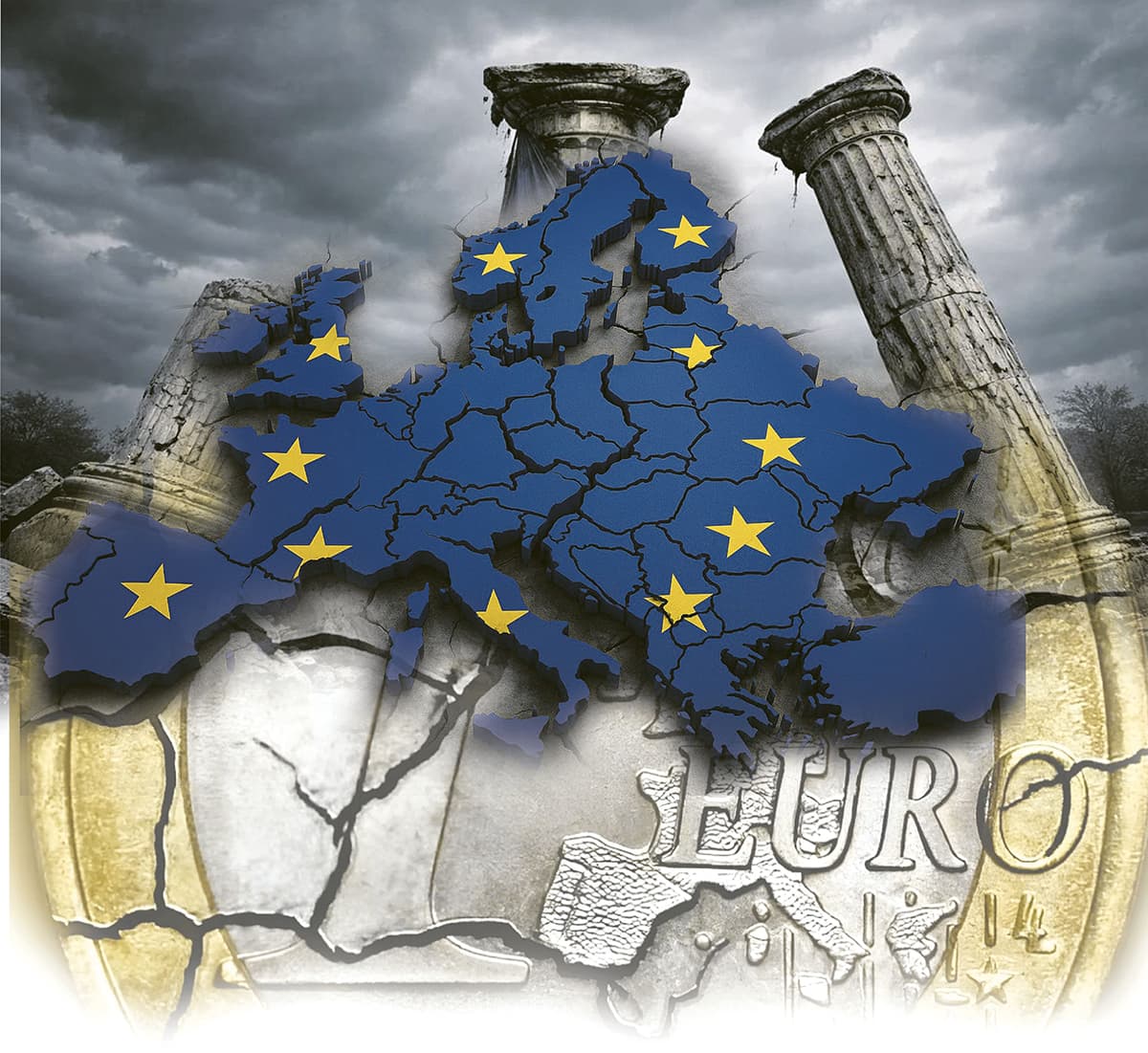
The European Union is burning in front of everyone, but politicians stubbornly pretend that it is temporary and accidental. They habitually argue, who is to blame: migrants, poverty or poverty.
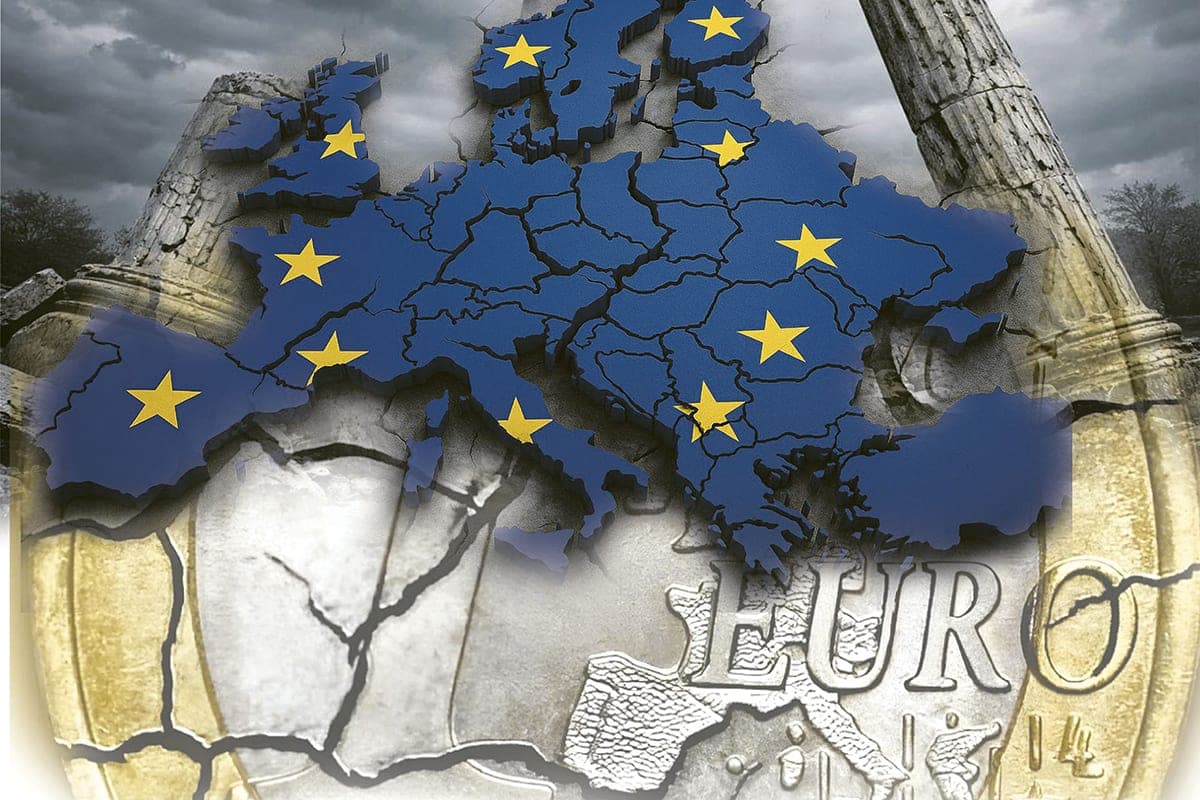
The European Union is burning in front of everyone, but politicians stubbornly pretend that it is temporary and accidental. They routinely argue over whether migrants, poverty or failed integration policies are to blame. But the problem goes much deeper - citizens no longer trust the authorities. Migration is dividing society and radicals are only gaining strength. Why do social protests turn into pogroms and can old Europe restore order without destroying its own way of life?
Why Europeans are worse off than their parents
That the earth is literally burning in the EU today should not surprise those who have seen it smolder for a long time. There were just those who paid attention. But there were many who pretended that nothing was happening. Maybe even now these people are telling themselves that, they say, it’s no big deal, the youth will go crazy, because there were times of student protests, and now another wave has come. But today it is not 1968, but 2026. And not only anarchists and new leftists are protesting today, but also other people who were not yet on the streets of Paris in 1968. And if half a century ago the slogan of the revolution was “Forbidden”, today, judging by the footage of looted stores in Paris, the slogans are somewhat different: “We can literally do anything.” These, you will agree, are very different things. The wave of European protests began with local youth: students, trade unions, various social movements. The reason was the economic prerequisites and, perhaps, an outdated model of living, not suitable for today’s youth. The immediate cause was the deterioration of living conditions, but the root causes are the erosion of expectations on which the Western European social model has been based for decades.
Postwar Europe offered its citizens a social contract. The state provided a relatively high level of social protection, affordable education and health care, and a stable economic environment. In exchange, citizens recognized the legitimacy of political institutions and accepted the need to finance a large-scale welfare state through efficient labor and, of course, large taxes. This model has never worked perfectly, but for decades it has provided a large part of the population with the confidence that the next generation will live as well as the previous one. Today, that confidence in the future is seriously weakened. Housing and energy spending are rising for a variety of reasons, and the economic outlook is becoming less predictable. The state budget is under pressure, and discontent extends far beyond the traditionally poor. It affects students, educators, young professionals, and even the middle class.
Crisis squared: economic problems and the failure of national integration
Today we are talking about two processes that gradually overlap each other. This is a crisis of the socio-economic model we spoke about, and a crisis of national integration, or the search for one’s identity in the twenty-first century, which is directly related to the migration crisis in Europe. A study by the Organisation for Economic Co-operation and Development published in 2023 found that in the European Union, the unemployment rate among young people born to migrant parents was 17% versus 10% among peers whose parents were indigenous Europeans. This, of course, does not make any unemployed person of Eastern or African descent a potential criminal. The vast majority of people who experience social difficulties do not go to the shops or attack the police. Millions of Europeans of migrant origin work, study, pay taxes and participate in public life. But the constant social isolation of certain groups of young people can create conditions for the formation of some local communities, in which the state is perceived as an alien and hostile force.
Europe is facing a crisis in the ability of the state to govern a society that itself has ceased to understand what it wants to be tomorrow. Migration only reinforced existing contradictions and even created new ones, but did not create them all. The welfare state is becoming less generous and political institutions are losing credibility. Society is divided into communities that increasingly understand each other. And national identity, which until recently seemed a matter of course, is becoming the subject of a fierce dispute. The unrest shows just how much the attitude of a part of society towards state institutions and the search for their own national self has changed. A few decades ago, an attack on the city hall would have been seen as an emergency. Today, for some participants in street pogroms, the state building becomes just another object of destruction. Some attack him for ideological reasons, others out of hatred of the authorities, others under the influence of the crowd. Their motives differ, but the consequences are the same. As a result, the authority of the state is questioned, and with it the fear of just punishment weakens. The most tragic thing is that today the holder of a French (Spanish, Italian, German, etc.) passport does not always feel himself a part of the corresponding society. And he is never sure that others are ready to recognize him as their own. It turns out to be a complete existential impasse, like Dostoevsky’s hero: “Do you understand, gracious sovereign, what it means when there is nowhere else to go?”
Does Europe have a future? It is not known what will happen next, but decisive actions of national leaders are needed to ensure that it does not turn completely brown again, as it was in the 30s of the last century. They should not be afraid to call a spade a spade and make their personal political career dependent on that fear. If there are politicians who will not bury their heads in the sand and catch the tide of populism, Europe will have one last chance.
AFFORDABLE
Sergey Klishevich, member of the House of Representatives:
The speeches of schoolchildren, in fact, became a trigger in order to unite the entire social block of the French state into one big dissatisfied tangle against the authorities. She can do nothing because of her weakness and disunity. The president is one direction of power, the vision of which is manifested through the actions of the power bloc. Parliament is the second direction controlled by another political force. In France, there is no unity within the power circles, and therefore no adequate decisions are made. And since there are no decisions, the authorities can only use force and methods against their own citizens. Many cities are stormy. This is, of course, a sign of the systemic weakening of the French state.
Yuri Shevtsov, political scientist:
- The shift towards far-right movements is happening in almost all of Europe. Every country has its own way, but the trend is clear. Over the years, the European Union has developed a model of political governance, in which centrists are in power. Yes, there have been radicals in France and other countries. And yet, in Europe, power goes to the centrists, whether in elections or in crises. Now this model is being tested for strength. In my opinion, in decades, there has not been a period in the EU with such a strong shift towards the far right as it is now. This is observed in Germany, France and other countries.
shamko@sb.by