Nearly 400,000 steel workers strike in Germany
Since November 1, when the period of compulsory refusal from strikes ended, about 400,000 employees have participated in preventive strikes in Germany.
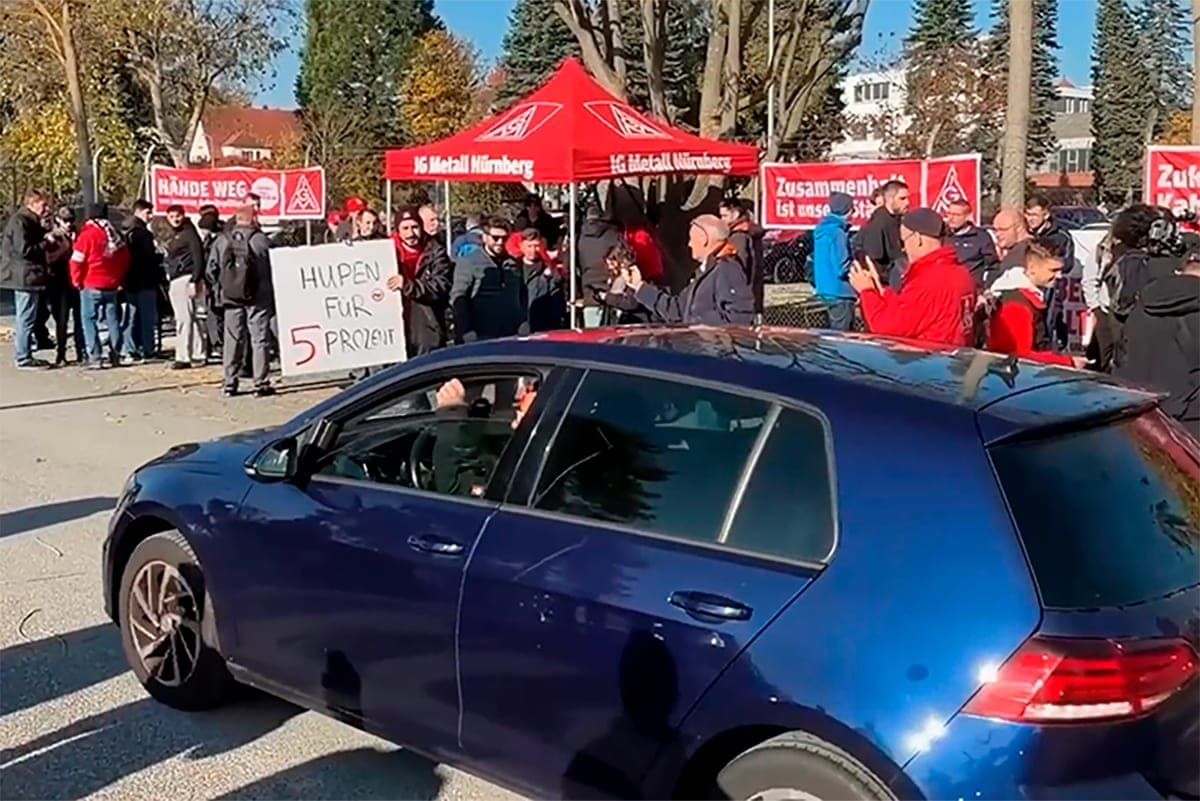
Since November 1, when the period of compulsory refusal from strikes ended, about 400,000 employees of metallurgical and electrical enterprises have participated in preventive strikes in Germany. The reason is disagreements with employers about raising wages. It's reported by sb.by.
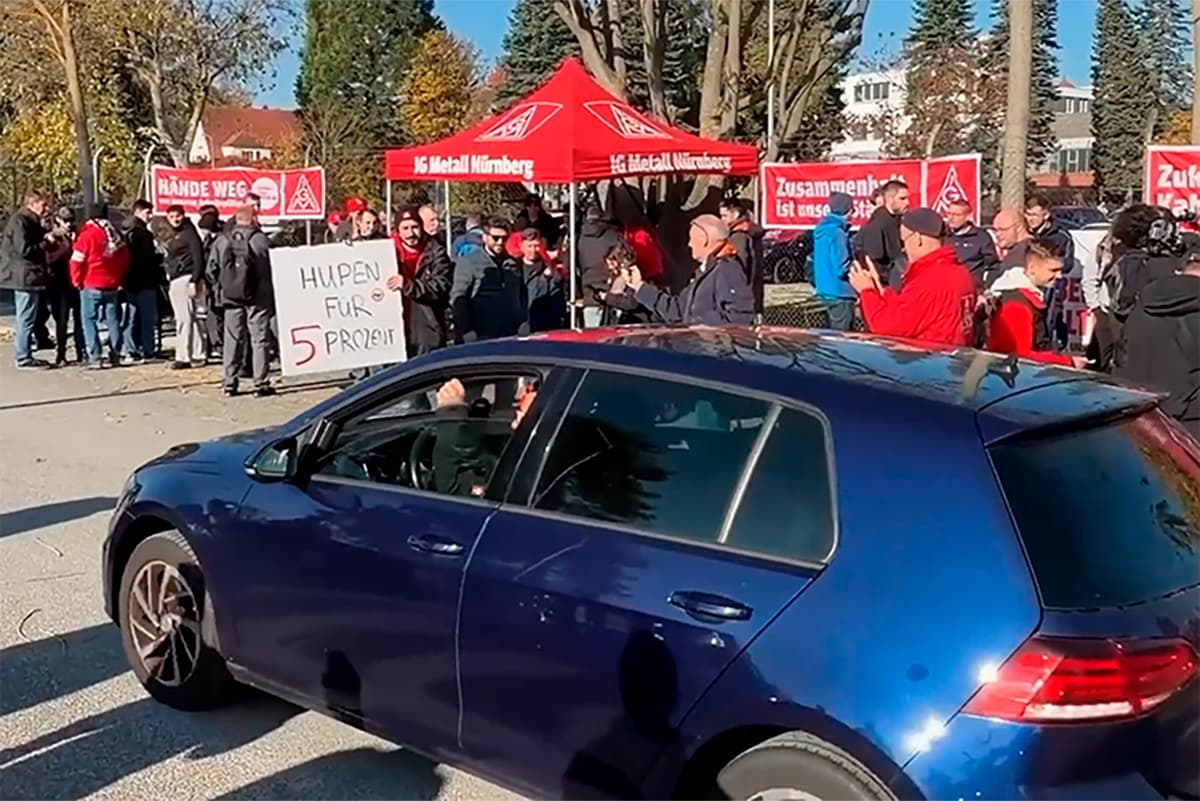
According to TASS, citing the industrial union IG Metal, a wave of protests has already covered 3.8 thousand enterprises across the country. One of the largest events was a rally at the Audi plant in Neckarsulm, which gathered more than 6.5 thousand participants. The main demand of the strikers is to protect purchasing power against the background of high inflation and ensure investment in German production sites.
The reason for this large-scale mobilization of workers was the refusal of regional unions of employers to revise their proposals during tariff rounds held in Baden-Württemberg, Lower Saxony and several other regions. IG Metall expects further answers from business representatives during talks in Bavaria and other states, which will continue on Monday. Employers are proposing to raise employee salaries by only 1.3% from July 2028 and provide a one-time payment in 2027 only to economically successful enterprises.
IG Metall described the proposal as “brash” and “deficit,” pointing out that with current inflation to 3% and the agreement’s 26-month lifespan, real revenue growth would be just 0.6% per year. Moreover, business insists on expanding mechanisms for reducing or deferring payments in case of crisis situations in factories, and threatens further staff cuts.
- Our colleagues are fighting for the future of their families and jobs. They expect real growth in purchasing power, not empty threats of downsizing. Our compromise plan is on the table – now it’s up to the employers, said Nadine Boguslawski, IG Metall Board Member for Tariff Policy.
The union is demanding a 5 percent wage increase for the industry’s 3.7 million workers with a 12-month contract, as well as firm guarantees of job security and investment in modernisation. IG Metall expects further answers from business representatives during the talks, which will continue on Monday.