Theater from Astana presented a solo performance “Alone with Pushkin” at the “White Vezh”
At the XXX International Theatre Festival "White Vezha" The State Academic Russian Drama Theater named after M. Gorky from Astana presented a solo performance ...
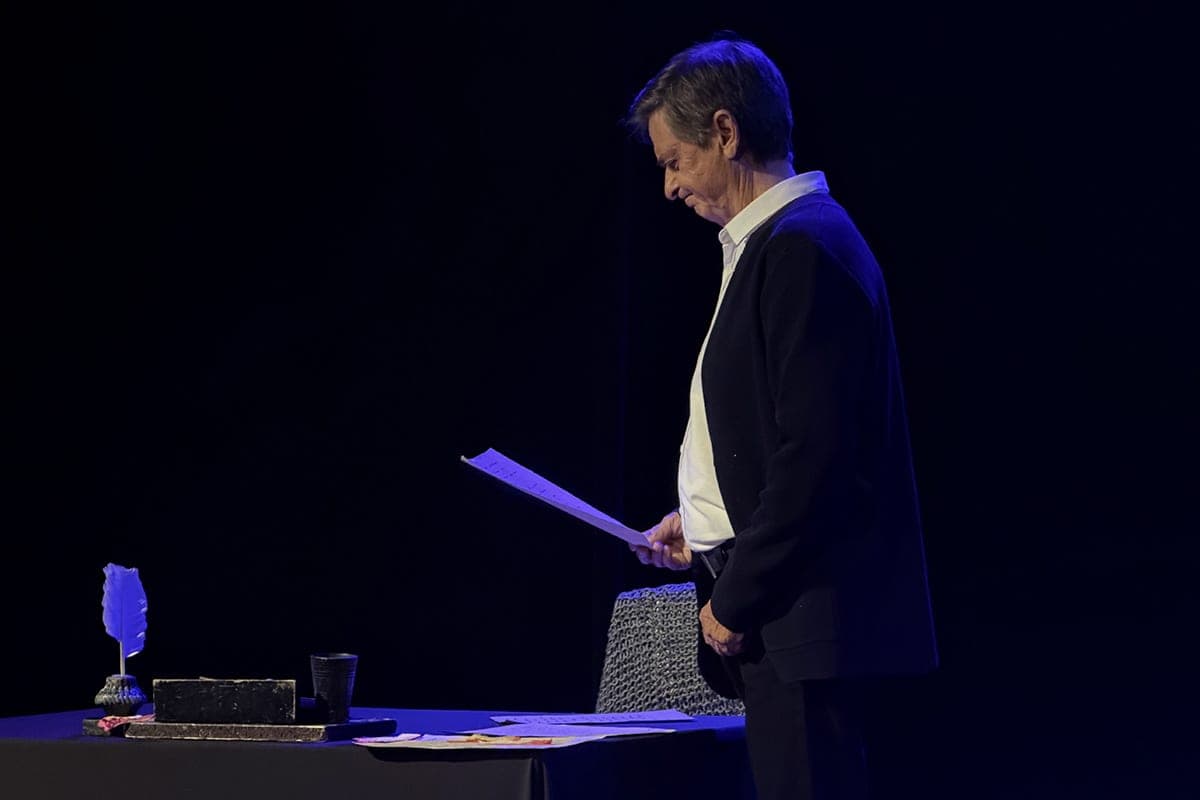
At the XXX International Theatre Festival "White Vezha" The State Academic Russian Drama Theater named after M. Gorky from Astana presented a solo performance “Alone with Pushkin”. Its author of the idea, director and sole performer was Honored Worker of Culture of the Republic of Kazakhstan, People's Artist of the Kyrgyz Republic, Chevalier of the Order of Friendship Sergey Matveev. He worked on the production together with director Bekpulat Parmanov. It's from sb.by.

There's one artist on stage. Nearby there are no partners behind whom you can hide for a moment, there is no opportunity to pass someone the initiative or take a breath. There is only the word, the auditorium and Pushkin – sublime and tragic, unrestrained and timid, touching and fatal.
The title of the show accurately defines the relationship that develops this evening. Alone with Pushkin is not only the actor — with him this path passes every spectator. Familiar from school lessons, the great poet is gradually freed from the solemn immobility of the monument and approaches the hall.
Sergey Matveev doesn’t just read Pushkin’s lines. He enters the images of the characters, changes intonations and states, lives several destinies, remaining on the stage completely alone. This form requires the artist to be extremely collected. The whole rhythm of the production, the tension of each pause and the attention of the hall depend only on it.
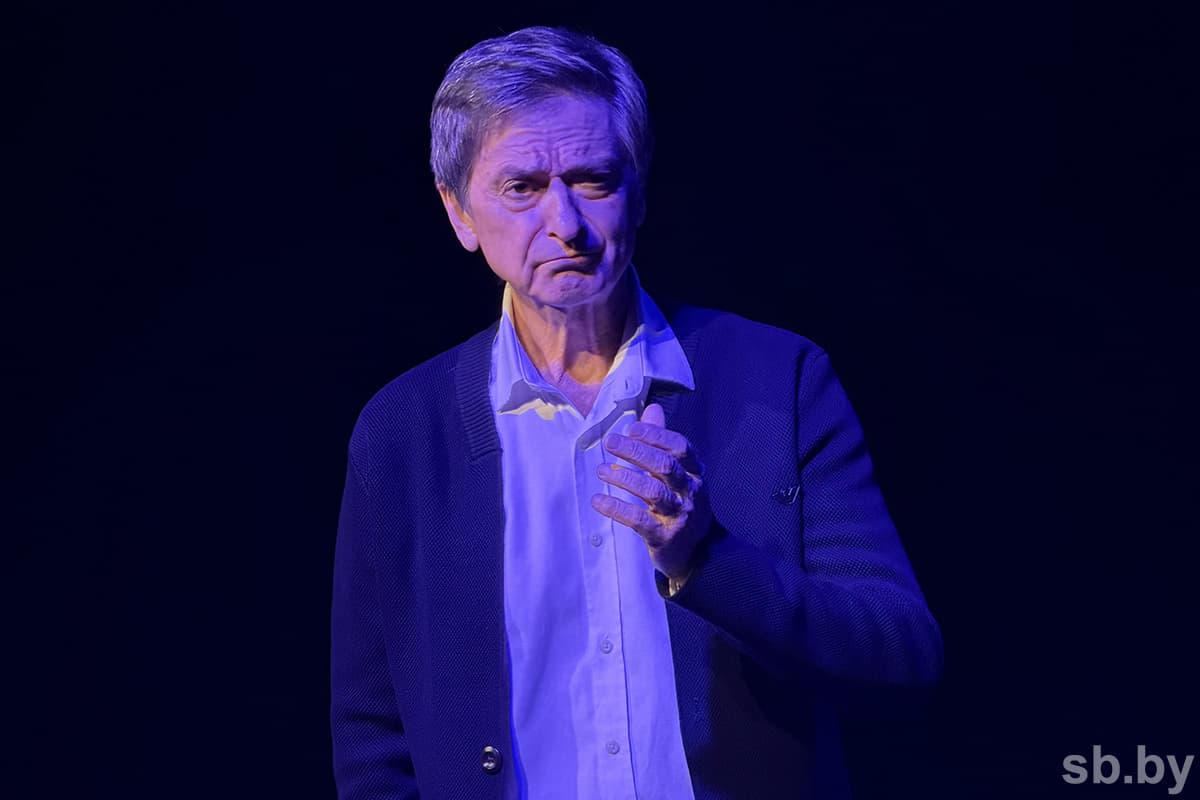
- Being alone on stage is a separate art and a huge responsibility. I'm responsible for everything here, I have no one to hide for. The most important thing is to believe in what you do, in every hero whose life you live. This is the beauty of the acting profession: on stage we are allowed to live many different lives, said Sergey Matveev.
Once the feeling of loneliness in front of an audience was familiar to him from a completely different side. While studying at GITIS, the future artist had to go out to the piano and sing in front of the department. After the usual dramatic scene, where there were always partners, it seemed like a step into space. Over time, fear gave way to understanding: the mono-performance lives by its own laws and requires a special inner freedom.
A kind of partner of the artist in Brest was the auditorium. The audience closely followed the change of images and moods, listened to every word, and between the stage and the audience gradually appeared that almost elusive connection, without which the mono-performance remains only a monologue.
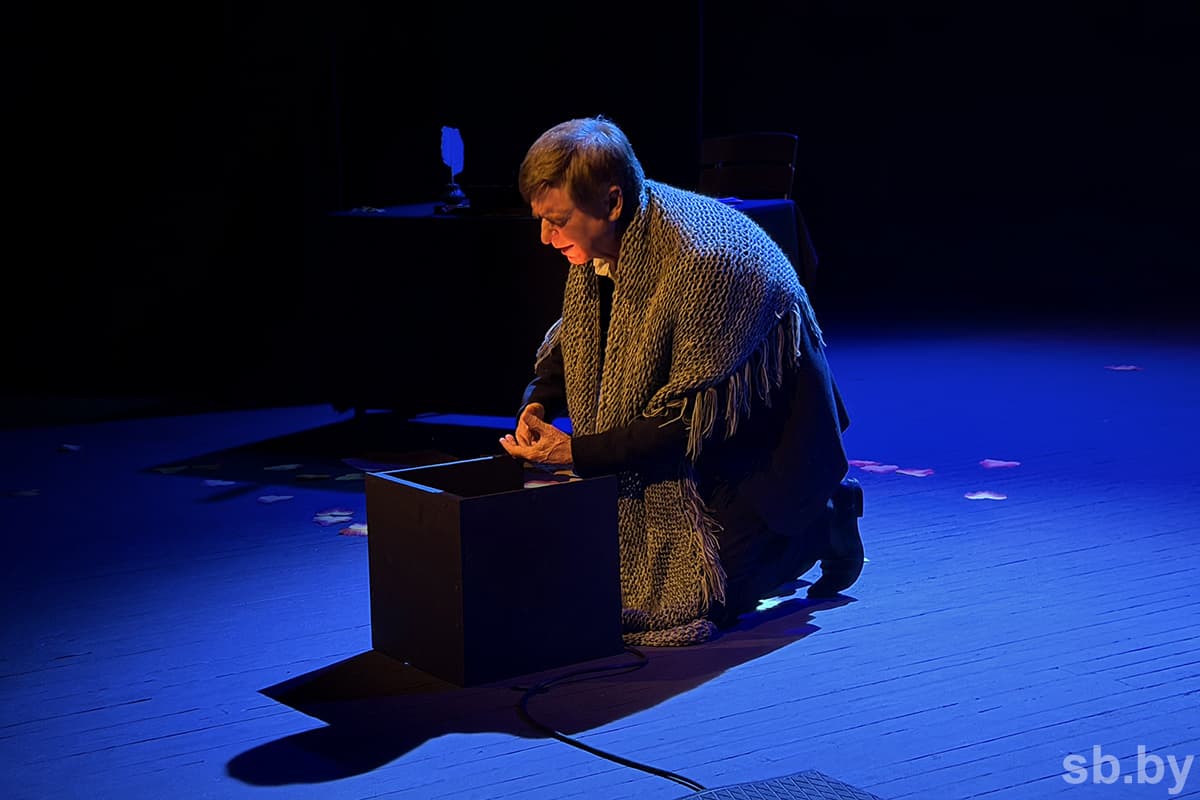
- The Brest public is very restrained and attentive. I saw interested eyes, felt that the audience was worried with me. For the actor, the most important thing is to establish contact with the room. When this happens, we begin to breathe with one breath and live together. Today we are united by the genius of Pushkin, the artist shared.
This meeting was a conversation not only about the poet, but also about the nature of the theater. Can one person hold the attention of the whole room? Can a familiar word sound like it's the first time you've heard it? In "Alone with Pushkin" the answer is not born immediately - it consists of intonations, reincarnations, silence and the general breath, which says Sergey Matveev.
For the State Academic Russian Drama Theater named after M. Gorky, participation in the “White Vezh” became an opportunity to enter a large international theater space, see the work of colleagues and compare their own creative path with the search for other groups.

- That's the beauty of the festival. We look at each other and see how theatrical art develops in different countries. We feel our involvement in a great creative process, we reflect on whether we are going right, we discover new forms and directions. Such communication is necessary. Knowing each other, we better understand and build ourselves, said Sergey Matveev.
That evening, Pushkin was not alone. Together with the artist, he felt and reopened the whole hall. Perhaps this is the main strength of the show. The solitude of the performer on stage gradually turns into a community of people united by one word, one experience and one breath.