When the body lacks zinc: symptoms of deficiency, risks and ways to recover
Zinc is a trace element, a cofactor of about a hundred enzymatic reactions. It is involved in protein synthesis, immune responses and wound healing. Russian Dr. Olga...

Zinc is a trace element, a cofactor of about a hundred enzymatic reactions. It is involved in protein synthesis, immune responses and wound healing. Russian doctor Olga Lisenkova told how to recognize the deficiency of zinc in the body, writes sb.by.

Olga Lisenkova listed the main functions of zinc:
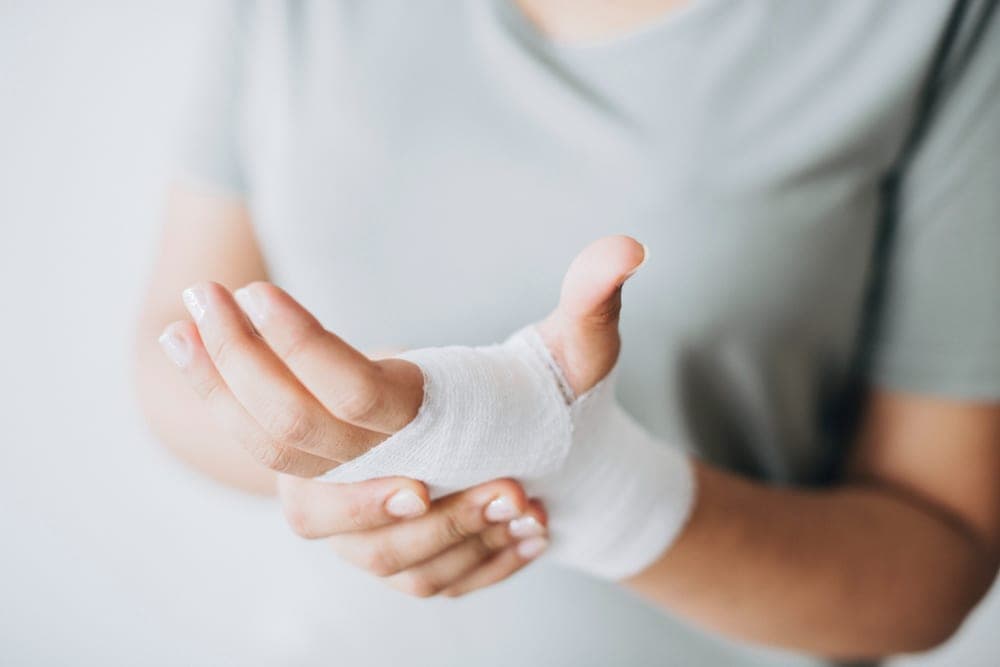
- It affects the production of testosterone, somatotropic hormone and insulin. Clinical studies also show the role of zinc in resisting viral infections. With a serious shortage, defenses weaken. Along with calcium and magnesium, zinc is important for bone density and strength. Among other things, persistent acne, seborrhea, poor wound healing (especially in diabetes) can indicate a deficiency.
According to Olga Lisenkova, there are main signs of deficiency: impaired taste and smell, white stripes and points on the nails, poor wound healing, skin rashes, difficulty conceiving.
- At risk are elderly people, patients with diabetes (absorption is disturbed), vegetarians (lots of fiber, little protein), pregnant women (increased consumption). Also people with chronic diarrhea and gastrointestinal problems. Long-term use of combined oral contraceptives affects zinc deficiency. In addition, the lack may be during infections (viral and bacterial), added Olga Lisenkova.
What to do if you suspect a deficiency:
Have your blood or hair tested for zinc. Contact a doctor to select a dosage taking into account diseases. Adjust the diet (preferably with a nutritionist, especially with gastrointestinal problems). With a severe deficiency, one food is not enough - you will need drugs.
When low back pain: how to understand the problem in the kidneys or back