Menopause: what happens to the body and how to maintain quality of life
Menopause is a large-scale hormonal restructuring that affects almost all body systems. Russian doctor Olga Lisenkova ...
Menopause is a large-scale hormonal restructuring that affects almost all body systems. Russian doctor Olga Lisenkova told what symptoms are typical for this period, what risks are increasing and what can be done to preserve the quality of life.
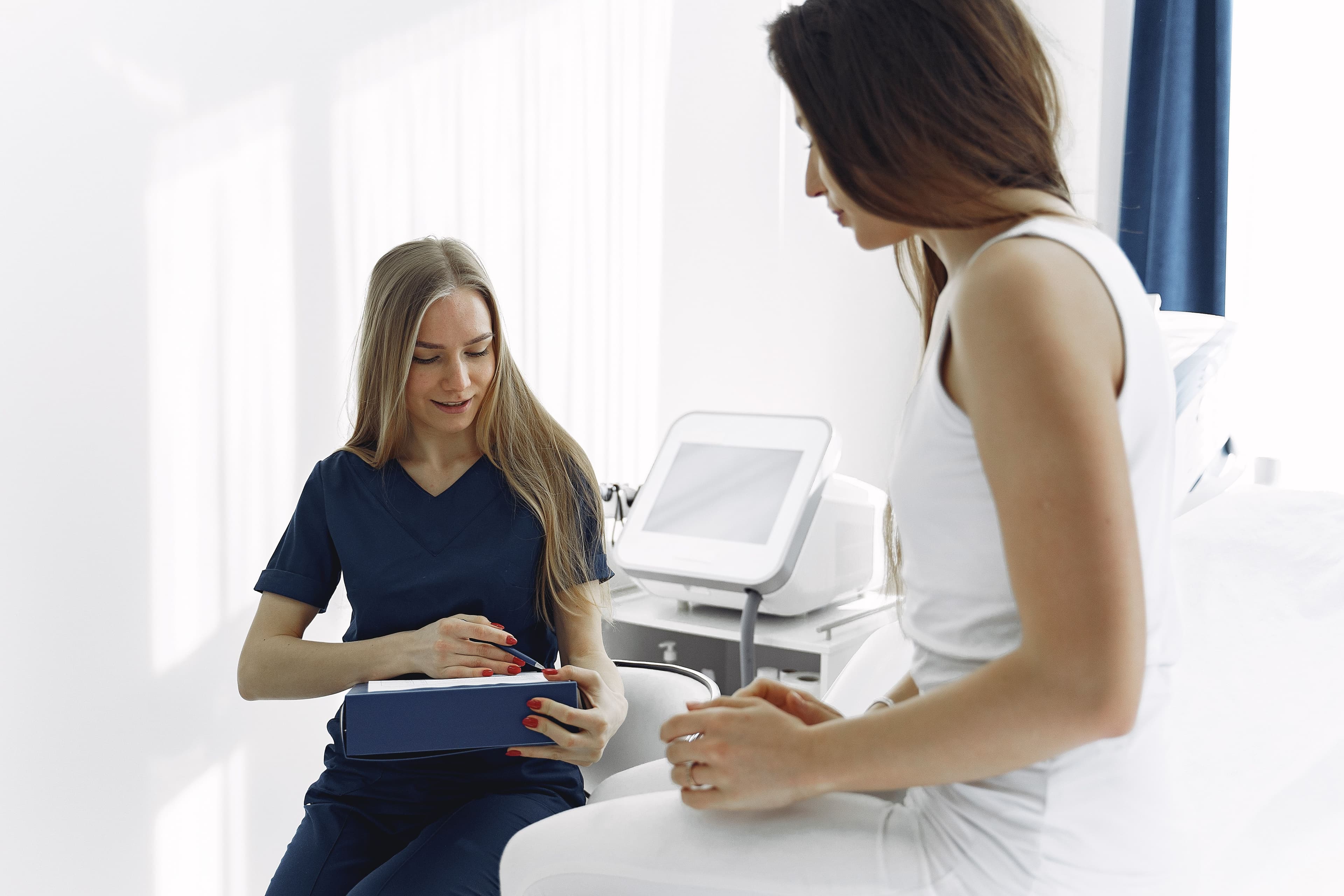
According to Olga Lisenkova, at the start of menopause, hot flashes and episodes of chills, sweating (including night), emotional fluctuations - irritability, tearfulness, increased sentimentality, sleep disorders often make themselves felt.
- These manifestations are associated with a drop in the level of sex hormones and instability of vegetative regulation, the doctor said.
Olga Lisenkova said that as hormonal changes progress, more serious and persistent problems appear:
Genitourinary system: Frequent cystitis, urinary incontinence when coughing, sneezing or laughing, lowering the vaginal walls until the uterus falls out. All this is due not only to estrogen deficiency, but also to the weakening of the pelvic floor muscles, as well as the influence of testosterone deficiency. Changes in appearance and hair growth. The number of hair on the head and legs decreases, while facial hair growth (mustache, beard) may increase. The voice is getting a little rougher. Musculoskeletal system: Decreased muscle mass (sarcopenia) leads to slower walking pace, reduced endurance and slower performance. In parallel, the risk of osteoporosis increases: bones become fragile, and fractures can occur even from minor injuries. Femoral neck fractures are especially dangerous - they dramatically reduce the chances of returning to independent walking and increase mortality within a year after an injury. The nervous system and cognitive functions. It becomes more difficult to remember new information, hold attention, and quickly extract the necessary data from memory. With a severe deficiency of B vitamins (especially B12 and B9 - folic acid), these problems can be aggravated up to the risk of dementia. Cardiovascular system : The protective effect of female sex hormones disappears, which increases the risk of hypertension, myocardial infarction and other cardiovascular complications. In women with varicose veins and hemorrhoids, these conditions are also often exacerbated, persistent swelling on the legs may appear.
The doctor also explained what you can do to help yourself with menopause:
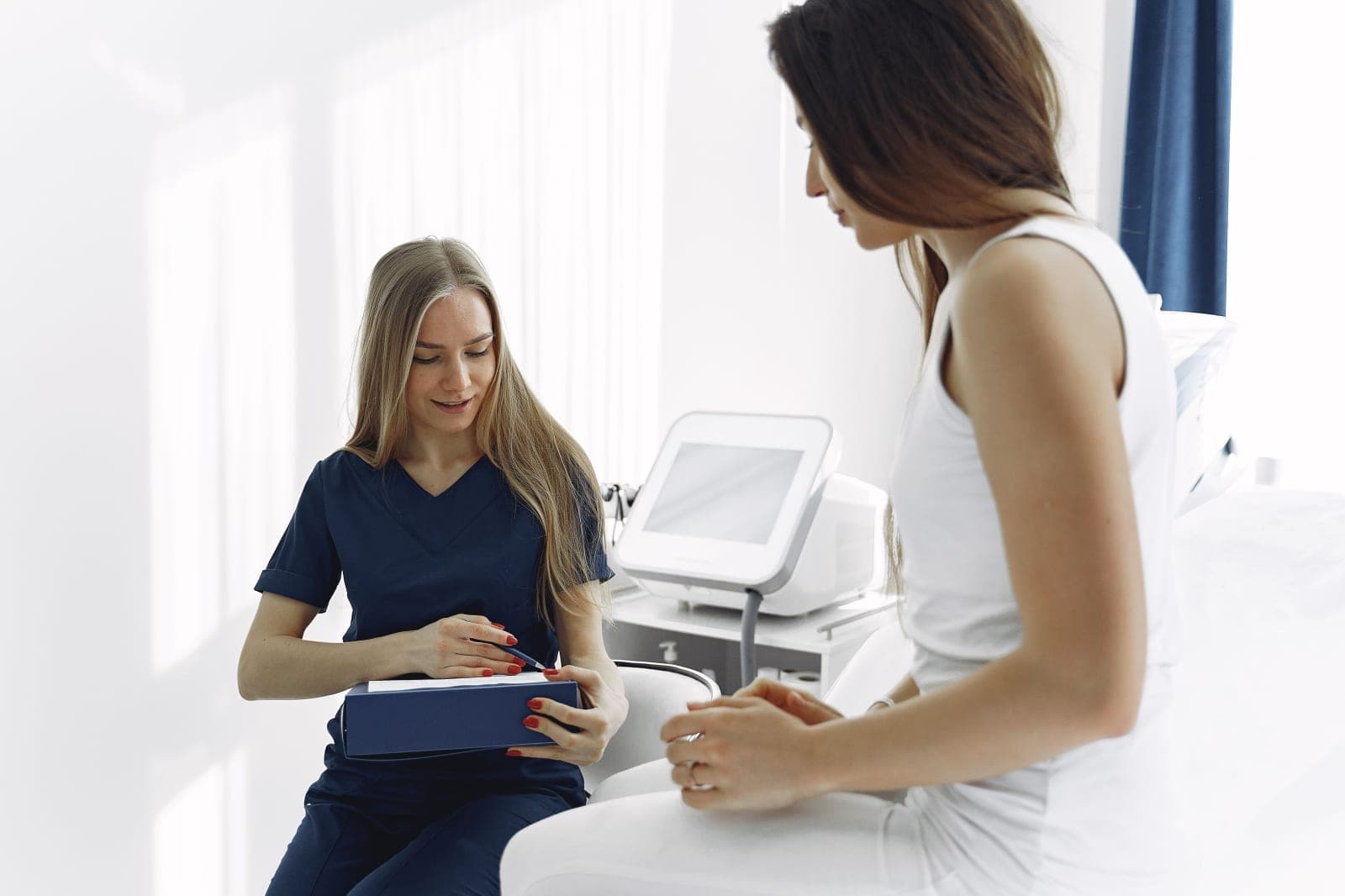
- Any action should begin with the consultation of a doctor: a gynecologist or endocrinologist. Only a specialist can assess the indications and contraindications and choose the optimal tactics. If your own hormones are not enough, they can be replenished with drugs. This is one of the most effective ways to control symptoms and prevent long-term complications. The decision on the appointment of hormone replacement therapy, its scheme and dosages is taken only by a doctor. In some cases, testosterone preparations are also included in the scheme - it is also important for women.
In addition, Olga Lisenkova added, phytoestrogens can be prescribed as an additional option:
- If hormone replacement therapy is contraindicated or undesirable, you can consider the sources of phytoestrogens - plant substances with a weak estrogen-like effect. These include: flax, clover, alfalfa seeds; soybeans, lentils; brown rice, peanuts, various nuts; pomegranates, sunflower seeds; garlic.
Olga Lisenkova noted that regular loads help maintain muscle mass, improve metabolism and contribute to the natural production of testosterone. Even daily walking and simple exercise are beneficial.
The doctor listed the beneficial properties of curcumin