It does not contain gluten, a source of slow carbohydrates and antioxidants. What are the benefits of sorghum cereals
About the benefits of sorghum cereals and dishes that are prepared from it, sb.by told the consultant for a healthy lifestyle Svetlana Sinichenko. Illustrative photo ...
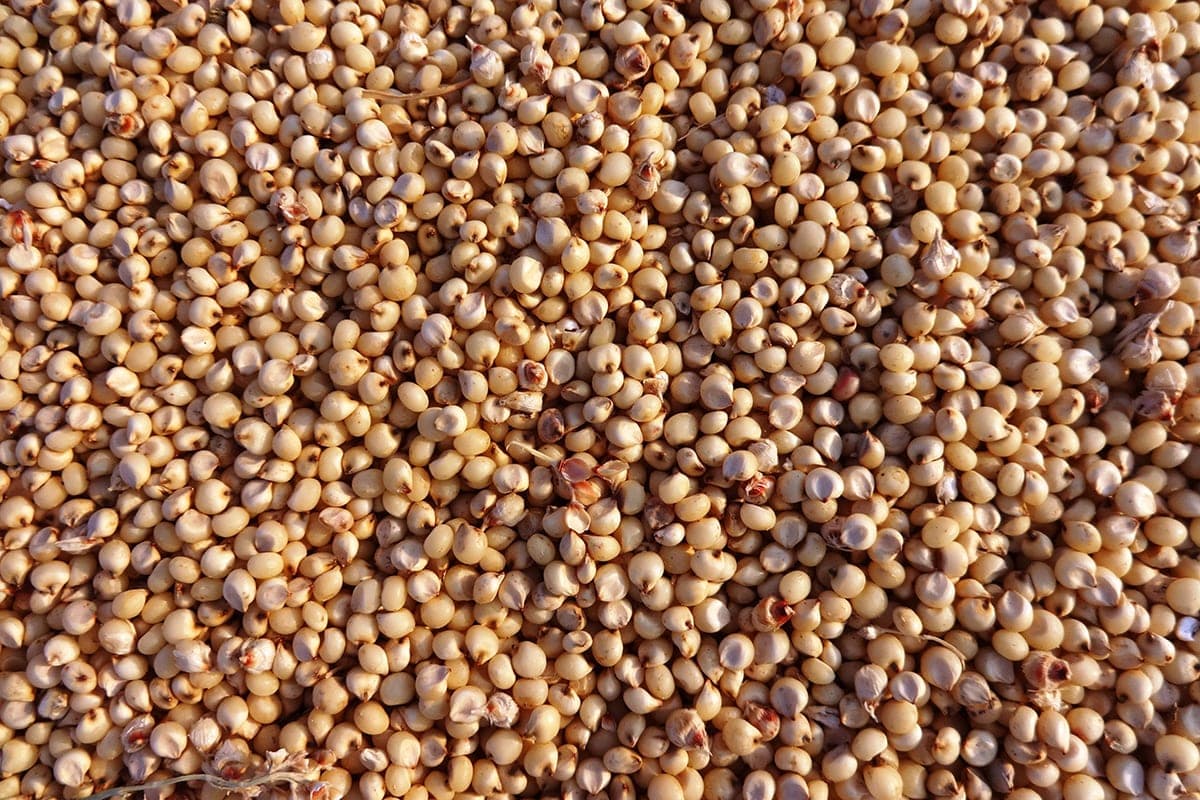
About the benefits of sorghum cereals and dishes that are prepared from it, sb.by told the consultant for a healthy lifestyle Svetlana Sinichenko.
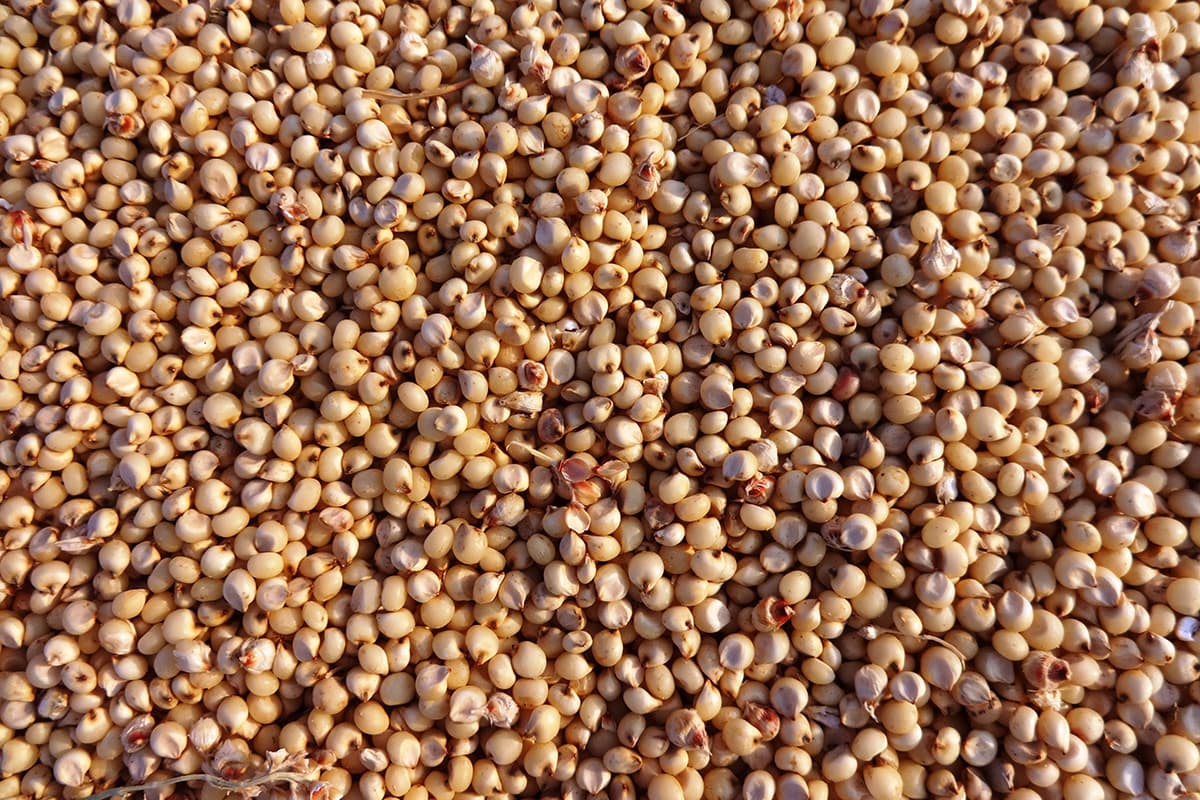
In terms of nutritional value, sorghum is a real heavyweight, the expert noted:
- In addition, sorghum does not contain gluten, which makes it indispensable for people with celiac disease and anyone who adheres to a gluten-free diet. The special value of sorghum is given by its phytochemical compounds. Polyphenols, which are rich in this grain, have powerful antioxidant properties. Scientific work shows that dark varieties of sorghum - red, brown, black - contain especially a lot of anthocyanins, the very substances that give color to blueberries and red grapes. The carbohydrates in sorghum are digested more slowly than in most other cereals, which ensures a smoother flow of glucose into the blood and helps avoid sharp spikes in sugar. The antioxidant properties of sorghum help fight oxidative stress and inflammation, processes that underlie many chronic diseases. A large amount of fiber makes sorghum a valuable product for weight control, stressed Svetlana Sinichenko:
Fiber slows down digestion, prolongs the feeling of satiety.
According to the consultant, sorghum is also a prebiotic:
- Its fiber serves as nutrition for beneficial bacteria in the intestines, maintaining a healthy balance of microflora. How to prepare sorghum Varca is the main way to prepare sorghum, said the specialist:
- The proportion of cereal and water is usually one to three. To speed up the process and better digestion, sorghum can be pre-soaked for several hours. In the finished form, sorghum is soft, but retains a pleasant elasticity and a light nutty taste. Sorghum can be used as a side dish instead of rice or quinoa, tucked in oil and herbs. It perfectly absorbs sauces and broths, so it can be cooked not on water, but on a vegetable or meat broth with the addition of spices - turmeric, curry or curry. Sorghum is put in soups for satiety: it swells and makes the dish more thick and nutritious. It is especially well combined with legumes and root vegetables.
Cooled sorghum is a great base for salads, added Svetlana Sinichenko:
- It is combined with fresh vegetables, greens, feta cheese and seasoned with lemon juice with olive oil.
The expert also recommends using sorghum flour:
- It is a common gluten-free alternative to wheat. It's good for bread, muffins, cookies.
Fiber, lutein and hidden salt. What are the benefits and harms of canned corn