Not as useful as it seems: a nutritionist – about the hidden danger of buckwheat in diabetes
The widespread belief that buckwheat is an ideal product for people with diabetes, in fact, can seriously harm. About 90% of people believe this myth.

The widespread belief that buckwheat is an ideal product for people with diabetes, in fact, can seriously harm. About 90% of people believe this myth, unaware that such a breakfast often provokes a sharp rise in blood sugar and accelerates the development of complications. Russian nutritionist Olga Pavlova told what the danger of buckwheat, writes sb.by.
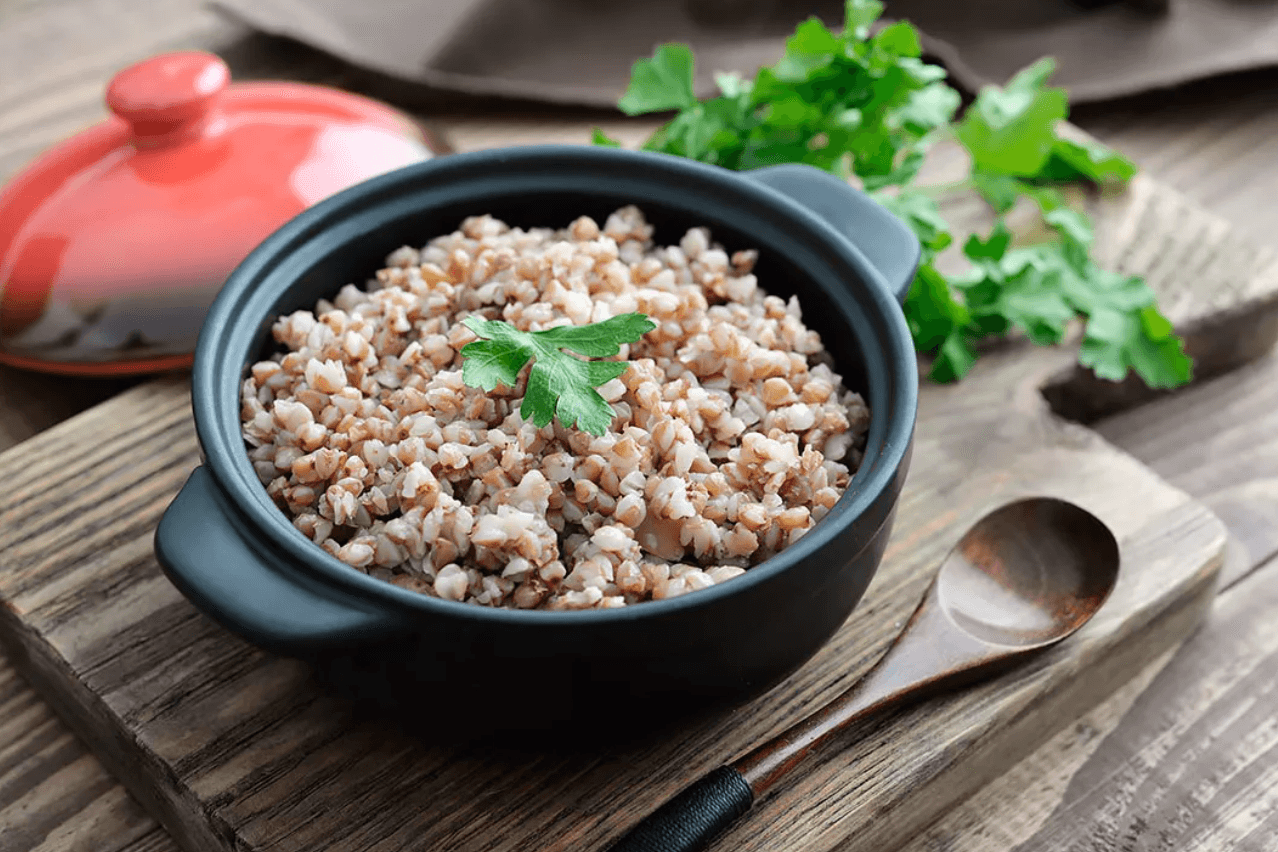
According to Olga Pavlova, buckwheat is a source of slow carbohydrates:
- But “slow” doesn’t mean “safe.” When such porridge is eaten on an empty stomach, carbohydrates are quickly absorbed: after 15-40 minutes after eating, the glucose level rises sharply. Such a jump is dangerous: it damages blood vessels and nerve fibers, accelerating the development of typical diabetic complications - from kidney and vision problems to circulatory disorders and neuropathy.
As Olga Pavlova noted, the glycemic index (GI) of buckwheat is 50-60 and it grows with increasing cooking time: the longer we cook, the faster the porridge raises sugar. In 100 g boiled on water buckwheat contains 21.3 g of carbohydrates, 4.2 g of protein and 1.1 g of fat (110 kcal).
She told how to eat buckwheat without harm to health:
The key principle is not to exclude porridge completely, but to properly integrate it into food intake. Carbohydrates are best consumed not first, but after products that slow down the absorption of glucose. For example, start with a protein - an egg, low-fat fish, cottage cheese, chicken breast. Protein reduces the rate of sugar rise after the carbohydrate part of a meal. Also add fiber - fresh or stewed vegetables, greens. Fiber slows down the absorption of carbohydrates and helps to maintain a feeling of satiety longer. Include healthy fats in the diet - a spoonful of olive oil, avocado, some nuts. Fats further smooth out the peak of glucose. Only after that you can eat buckwheat. The optimal portion is about 150-200 g of finished porridge. This corresponds to about 30-40 g of carbohydrates – this volume is easier to control.
Also, Olga Pavlova warned that it is better to choose minimally processed cereals - buckwheat kernel has a lower absorption rate compared to heavily crushed options. In addition, it is better not to digest buckwheat, because prolonged cooking increases GI: it is better to slightly undercook or steam the cereal. Olga Pavlova also advised not to add milk, sugar, honey, or dried fruits to buckwheat - all this increases the glycemic load. If you want a taste, add cinnamon, vanilla, berries or lemon peel - they do not increase sugar. Why you want a sweet evening and what to do with it, said the nutritionist