Is squirrel dangerous after age 45? Nutritionist told about new scientific data
Can protein harm health? Russian nutritionist, doctor of oriental medicine Irina Shimanskaya spoke about a new scientific review, which turns the world around.
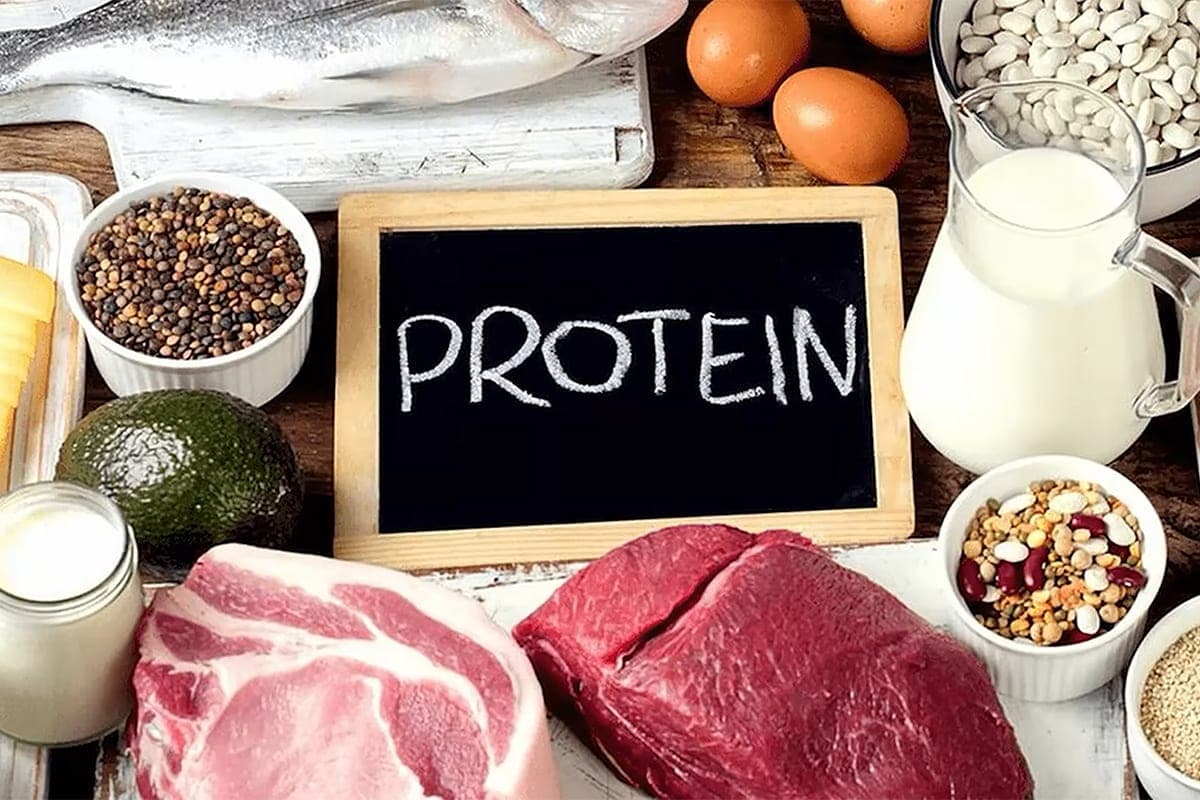
Can protein harm health? Russian nutriciologist, doctor of oriental medicine Irina Shimanskaya told about the new scientific review, which turns the idea of the benefits of protein, writes sb.by.
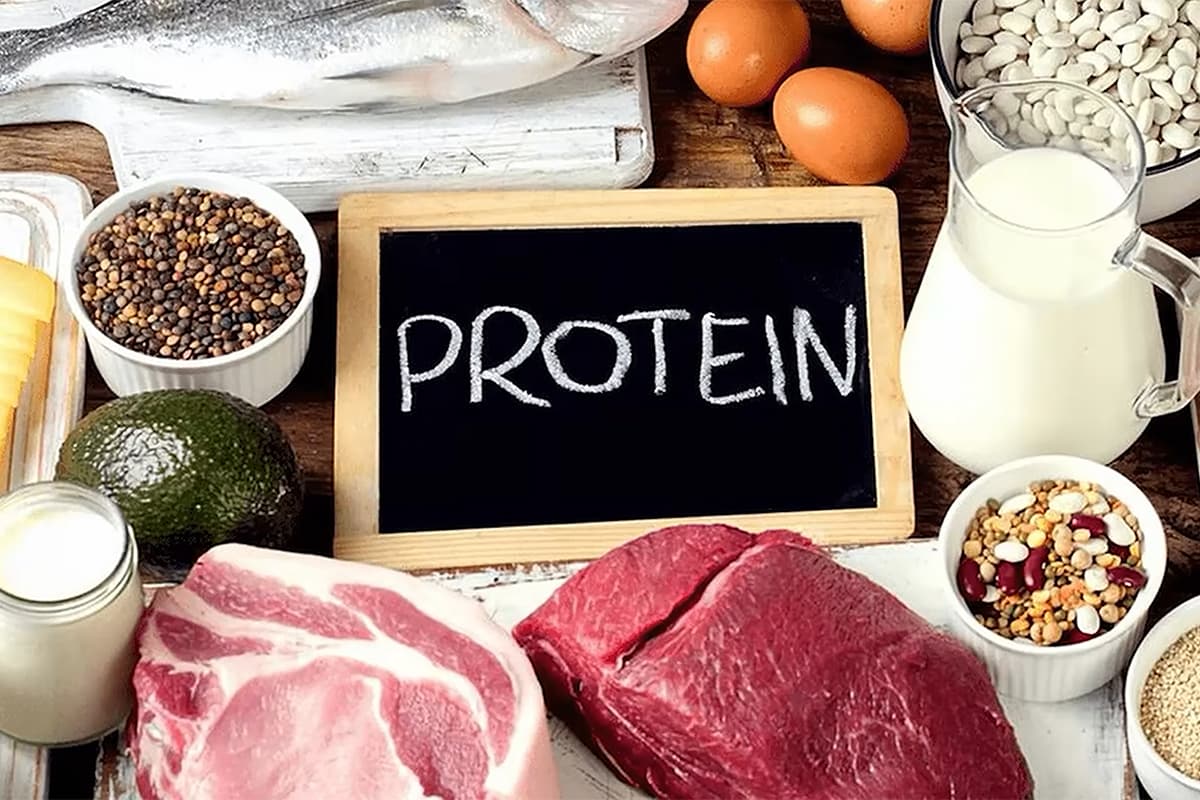
At the end of July, a large scientific paper was published – a review of 350 studies, in which the authors summarized data on the effect of protein on aging, disease and life expectancy. The findings were unexpected: an excess of protein, especially an animal, aged 45 to 65 years is associated with a 75% increased risk of overall mortality and a 4-fold increase in the risk of cancer. For comparison, this is comparable to smoking a pack of cigarettes a day.
Why protein can be dangerous
Protein is not only a building material for muscles, skin and hair, but also a signaling molecule. It activates the insulin-like growth factor I hormone and the mTOR enzyme, which give cells a command to “grow and multiply.” In childhood and adolescence, this is necessary, but in 40-60 years, the constant activation of growth becomes a hyperload for immunity. Everything grows, including potentially malignant cells, and the immune system no longer captures them as effectively.
The second problem is a violation of autophagy. Normally, spent cells should die, giving way to new ones. But with an excess of protein, they cannot go into autophagy mode and turn into “zombie cells” – senescent cells. They do not work, but they secrete pro-inflammatory substances, increasing the overall background of inflammation. Immunity tries to destroy them and can attack healthy cells.
After 65, things change
After 65 years, the benefits of active protein consumption begin to outweigh the potential harm. During this period, bones, muscles and joints are actively destroyed, especially in women due to menopause. Protein becomes necessary to maintain the musculoskeletal frame.
Which protein is harmful and which is useful
The most insidious is red meat. Moreover, if earlier only processed meat (sausages, sausages, smoked meats) were on the black list, now studies show harm from an excess of fresh, even farmed red meat.
The real superhero among squirrels is plant. It reduces oncorisks, chronic inflammation, helps control sugar and cholesterol, supports blood vessels and the heart, is associated with a longer life expectancy. In products, it comes complete with fiber, polyphenols and minerals. Sources: legumes (lentils, beans, peas, chickpeas), tofu, tempeh. A large study of nearly 71,000 Japanese showed that the more plant protein in the diet, the lower the overall and cardiovascular mortality.
How much protein do you need
The average norm is 1.2-1.5 grams per kilogram of weight. For a person weighing 60-70 kg with moderate or low activity, this is 80-100 grams of protein per day, not 150, as often advised by health-influencers. Athletes need more, but if you are not preparing for competition, you should not eat half a kilo of meat daily.
It is important not only how much, but how
If after meat, cottage cheese, lentils or protein you have a swelling stomach and there is a feeling that the food is worth a stake, then there is a failure in the digestive tract. In this case, you first need to adjust digestion, and only then focus on protein.