Traumatologist explained how to protect the hip joint before it begins to hurt
Prevention of problems with the hip joint is not about “when it hurts”, but about what to do while the pain is not yet there. A Russian doctor ...
Prevention of hip problems is not about “when it hurts”, but about what to do while the pain is not yet there. Russian orthopedic traumatologist Ivan Eremin told what measures really help to delay the operation, writes sb.by.
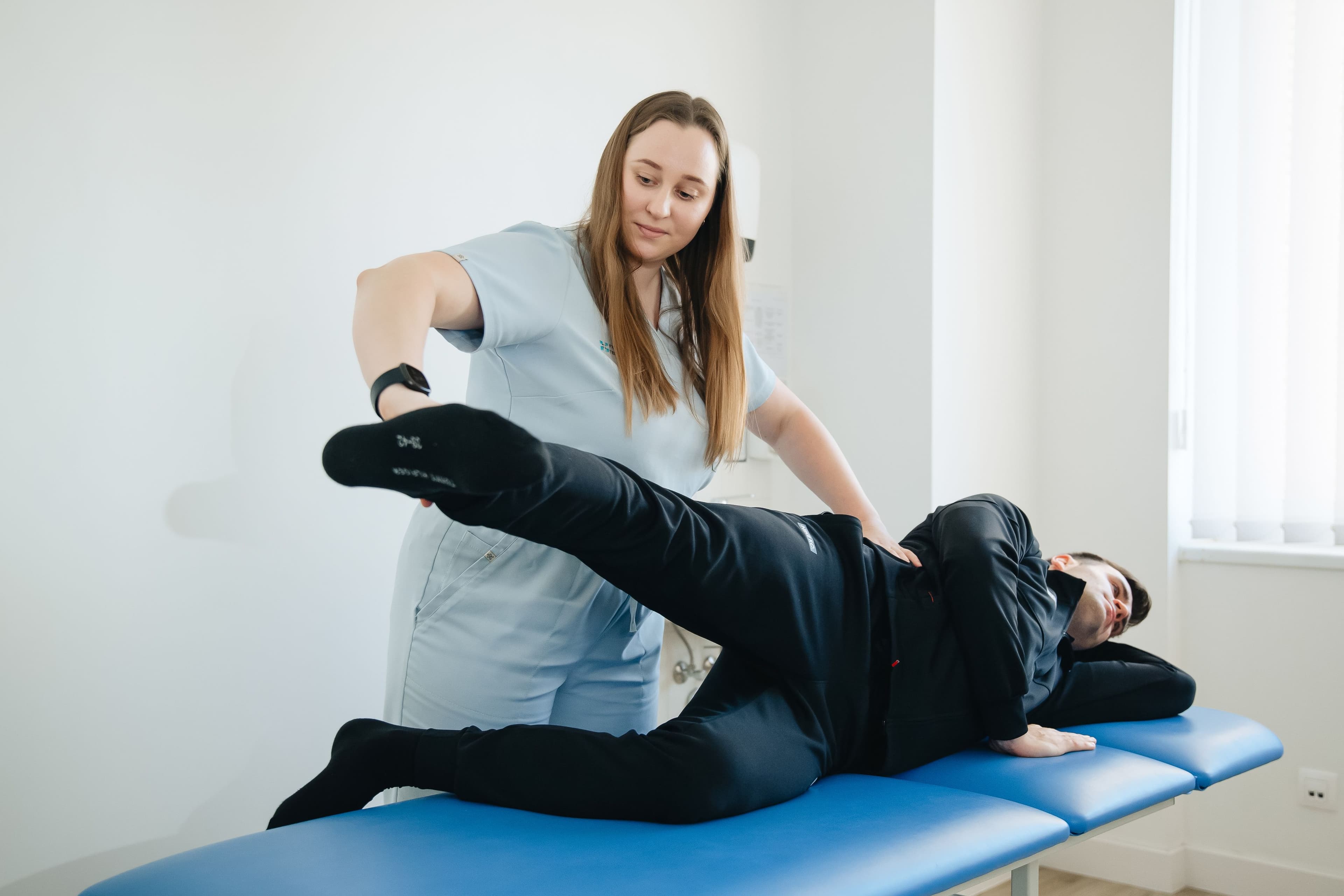
According to Ivan Eremin, the optimal period for prevention is from about 35 to 55 years:
- At this time, the pain may not yet be, but there may already be a restriction of mobility in the joint, discomfort with the usual movements. An additional risk factor is hereditary predisposition (if the parents had arthrosis). If these factors are present, it is not necessary to postpone prevention: by the age of 65, there are much fewer options for gentle treatment.
Ivan Krasavin told what to do to avoid hip replacement:
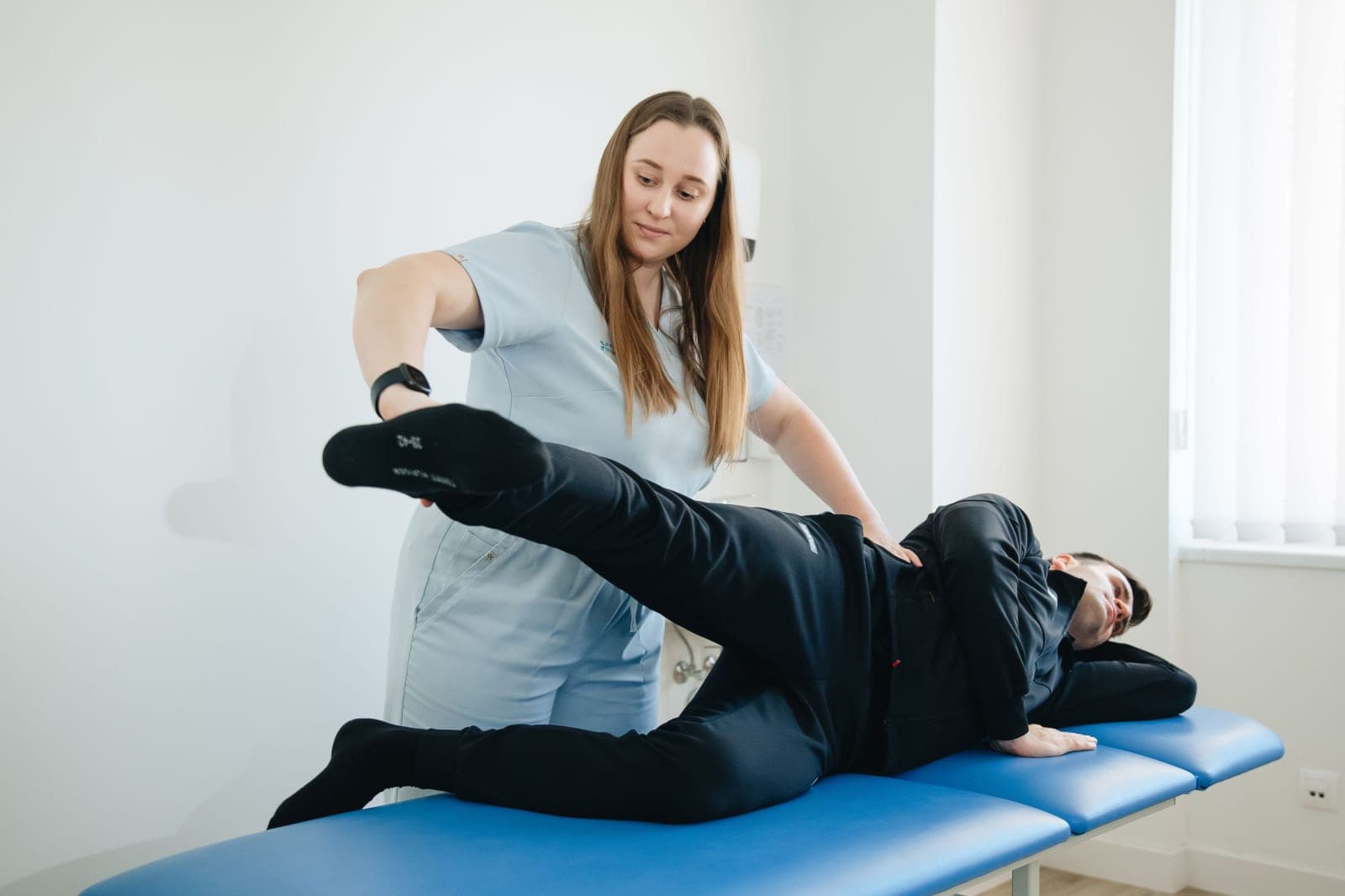
Weight control. When walking, the load on the hip joint is several times higher than the weight of the body, and when climbing stairs - even more. Each extra kilogram increases the wear of cartilage. Weight loss really reduces the load, but does not solve the problem completely: weak muscles and the structure of the joint can not be corrected. Right move. Cartilage is fed by diffusion - on the principle of "compressed-released", like a sponge. Without movement, food deteriorates. Therefore, “save the joint by moving less” is an ineffective strategy. It is better to choose gentle loads: walking, cycling, swimming. It is worth giving up running on asphalt, jumping, deep squats with weight. Strengthening the muscles that support the joint. The gluteal and deep muscles of the pelvis are the “framework” of the hip joint. If they are weak, the pelvis “sucks” with each step, and the load falls on the cartilage point-like as if you walked on the parquet in heels. A few simple exercises without equipment: lifting a straight leg up lying on your side - 15 times on each side, "buttock bridge" lying on your back (legs bent, raise the pelvis, hold for 3 seconds), keeping balance standing on one leg against the wall - 30 seconds, repeat 3 times for each leg. It is enough to perform such a complex 3 times a week. General health of the body. Osteoarthritis is not only a mechanical problem: inflammatory and metabolic mechanisms are involved in the process. Therefore, it is important to monitor diet (less processed food and sugar), sleep, and overall health. It works for the whole body, and the joint is part of it.
Ivan Eremin stressed that it is important to do an x-ray of the pelvis:
- One x-ray of the pelvis at the age of 40-45 helps to understand two things: whether there are changes in the hip joint and at what stage, and what are the individual features of the structure (hollow depth, joint shape) that can accelerate wear. Knowing this data, you can consciously choose acceptable activities and understand what movements are best to avoid.
How to return to active life after hip replacement: tips of a traumatologist