Rehabilitologist Lyudmila Malkevich - about chromotherapy, personal color scale and school performance
Have you noticed how a woman, changing the color of her hair or wearing a dress whose color suits her face, sparkles with joy and grows younger in front of her eyes? Clinical studies ...
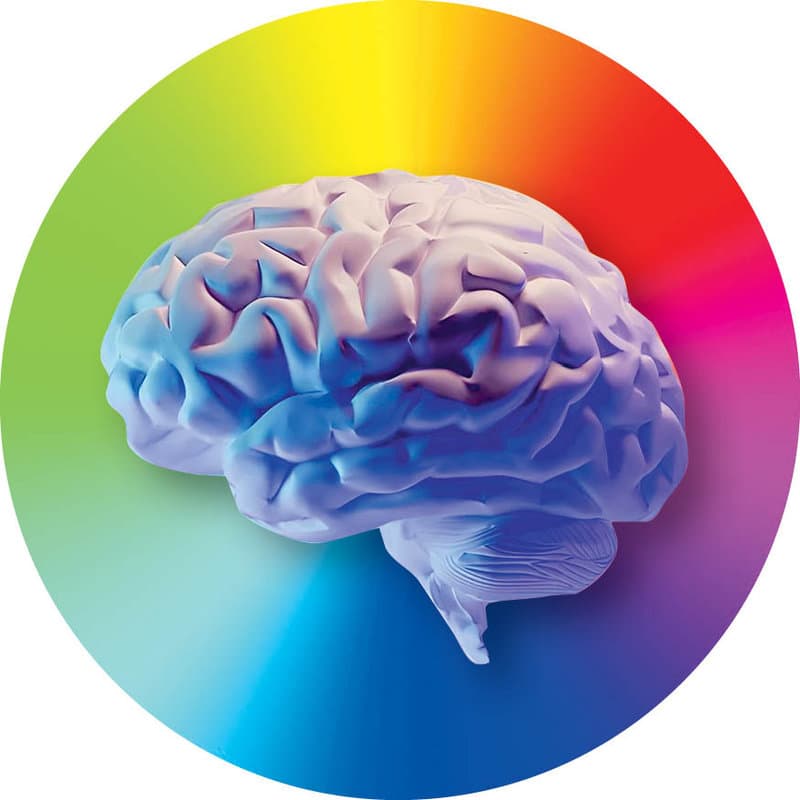
Have you noticed how a woman, changing the color of her hair or wearing a dress whose color suits her face, sparkles with joy and grows younger in front of her eyes? Clinical studies have proved that each color with its specific radiation has a positive effect on human health, stimulating the work of internal organs and systems. Even in ancient Egypt, special rooms were built in temples, where the sun’s rays were refracted and gave different colors of the spectrum. And it was called this method of treatment Ra-therapy. Slavs with scarlet fever tied red scarves, jaundice put on gold beads. Today, chromotherapy is successfully used to reduce weight, get rid of depression, improve hormonal levels. About how and what color affects our health and mood, learned from the head of the Department of medical rehabilitation and sports medicine BSMU Lyudmila Malkevich. Chromotherapy - what is it? The effect of visible light on the body is chromotherapy. If white is passed through the spectrum, it breaks down into seven colors - red, orange, yellow, green, blue, blue, purple. And each of them has its own properties, causing certain effects upon contact with the skin and eyes. Back in 1910, academician Bekhterev proved that red and orange have an exciting effect on the body, blue and purple are depressing, and yellow and green are soothing.
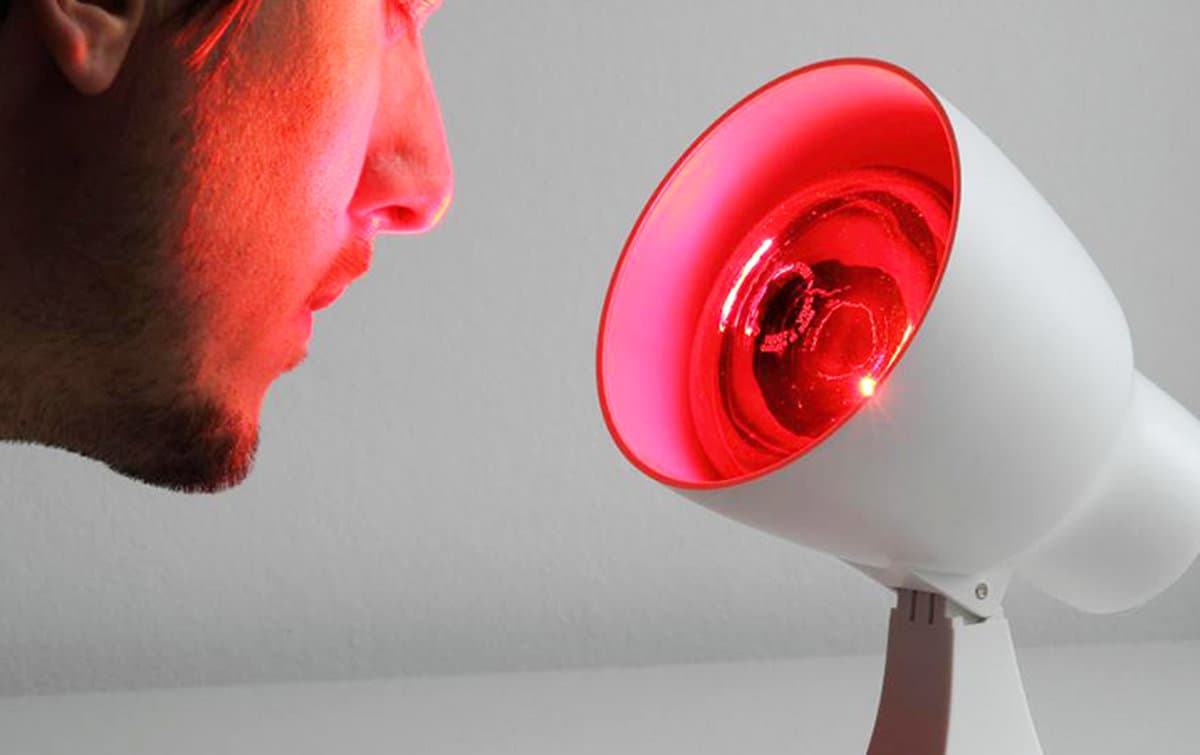
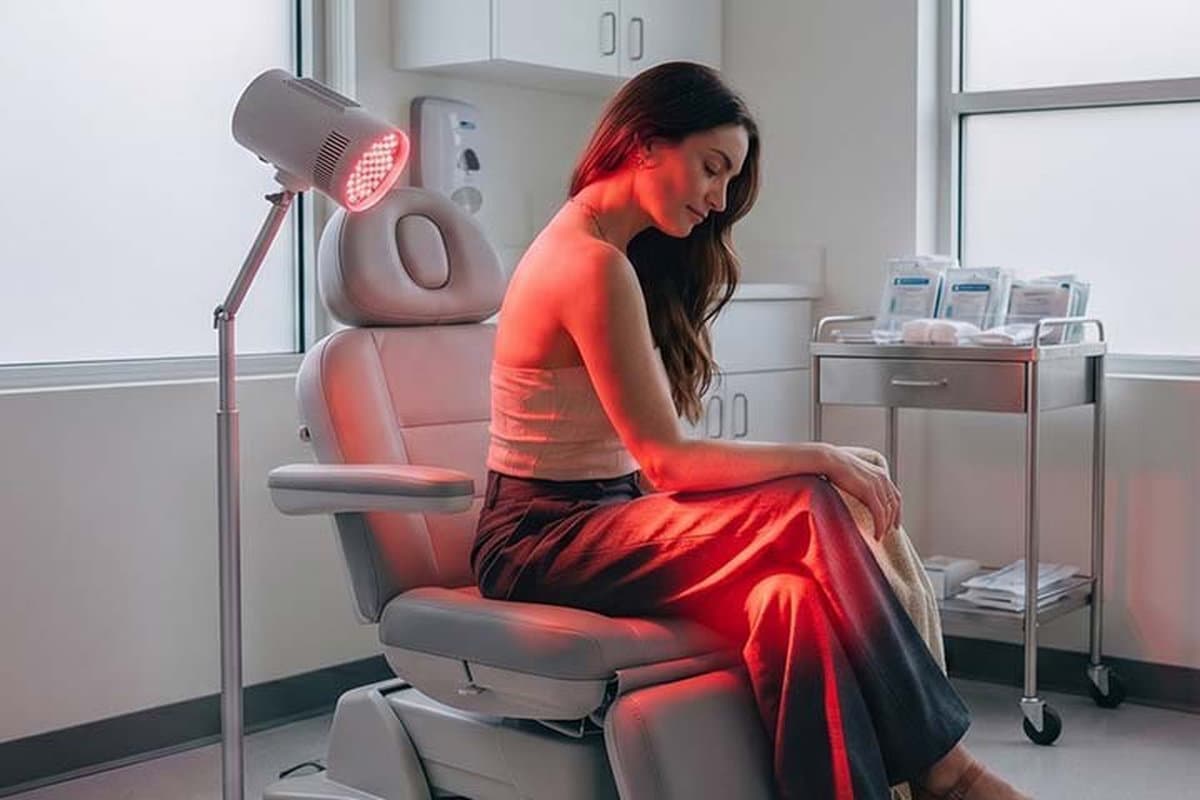
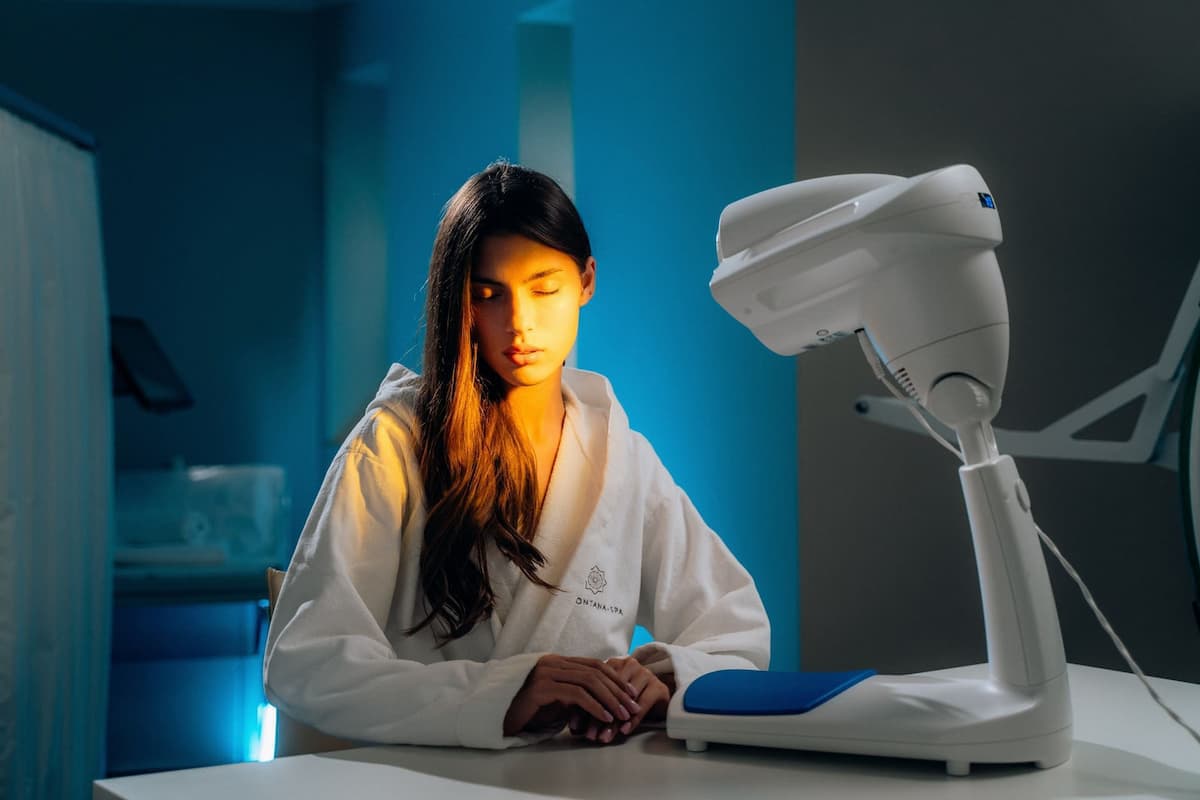
Personal color scale is one of the manifestations of individuality. The color we choose at some point in our lives can tell us a lot about our problems, moods, fears and aspirations. Once in the body, color is absorbed by certain structures. So, red accelerates physiological processes in the body - increases blood pressure, increases heart rate and breathing. And also affects microcirculation, reducing blood viscosity and improving metabolic processes in the body. It is also used in the treatment of anorexia. In Eastern countries, red is a symbol of happiness, vitality. It is proved that the red spectrum has antibacterial and anti-inflammatory effects. It suppresses the vital activity of bacteria that cause acne, so it is widely used in cosmetology and dermatology. Also under the influence of red light improves hair growth. Provided the hair follicles are preserved.
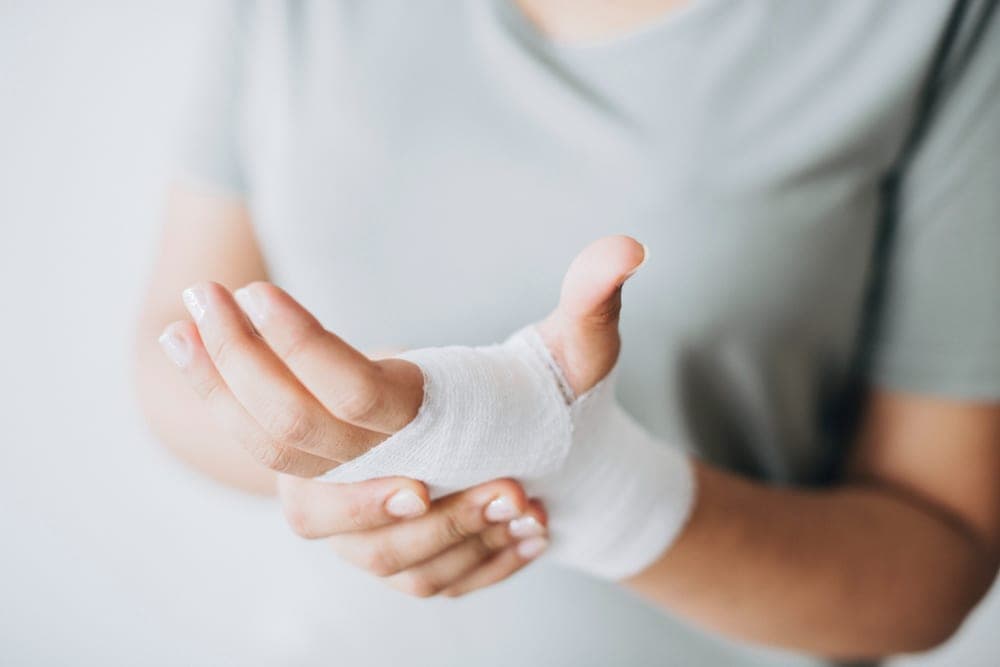
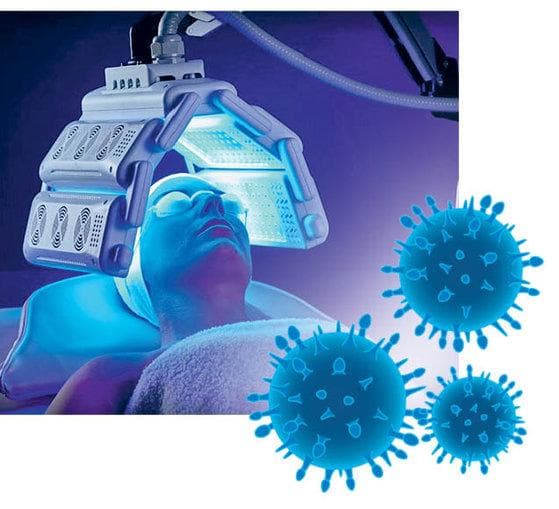
The cold blue color has a bactericidal, antibacterial and calming effect. It actively suppresses the reproduction of bacteria and viruses (including herpes). In surgery, blue is used to treat trophic wounds, heal cuts. It has long been used for the safe treatment of jaundice of newborns. Blue light destroys the bilirubin molecule, converts it into water-soluble products that are easily excreted in bile and urine. Loves blue and thyroid.
But in the treatment of diseases of the gastrointestinal tract, yellow is considered the most effective color. It improves gastrointestinal function, normalizes appetite, stimulates hydrochloric acid production and regulates peristalsis. It also positively affects the psyche, increasing mood. If it is necessary to support liver or lung function, then yellow, yellow-green tones are used. This color has also been used in ophthalmology. It does not affect visual acuity, but the contrast of vision improves. It is proved that the eyes are depressingly blue – the same active color that we get from gadgets, computer screens, bright solar radiation. Protecting your eyes from this harmful effect is a must. Perfectly cope with this task glasses with yellow and brown lenses.
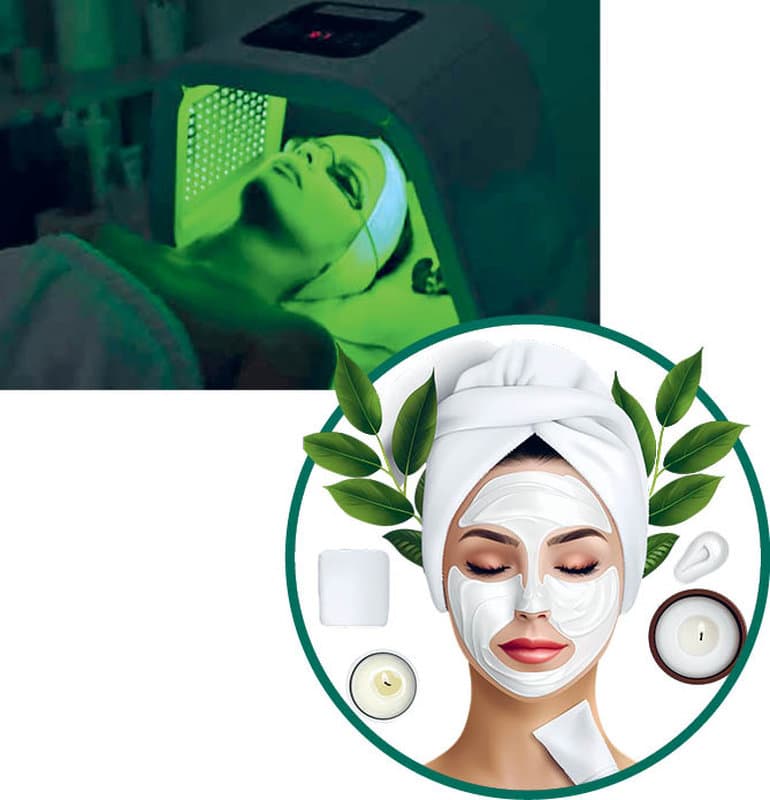
Used in optics and lenses with fullerene. They (yellow by the way) protect the eyes from ultraviolet radiation, part of the near-infrared spectrum and harmful to the retina blue light. Active green To green color is very sensitive our vascular system. Therefore, it is widely used in cosmetology. It has anti-inflammatory and bactericidal effects, stimulates the production of collagen and elastin, making the skin more smooth and elastic. Small blood points (telangiectasias) can also be safely removed with the green spectrum of light without compromising the integrity of the skin.
There are diseases and conditions in which chromotherapy is contraindicated. In particular, these are decompensated diseases of the cardiovascular and nervous systems, as well as diseases (including endocrinological), leading to a violation of the functions of vital organs.
People with epilepsy or increased convulsive activity (for example, after traumatic brain injuries) should not look at bright flashing colors. This can lead to a failure of processes in the brain and cause an attack. Blue is forbidden for depression. Hypertensives need to limit red. In addition, its excess can easily lead to deep depression.

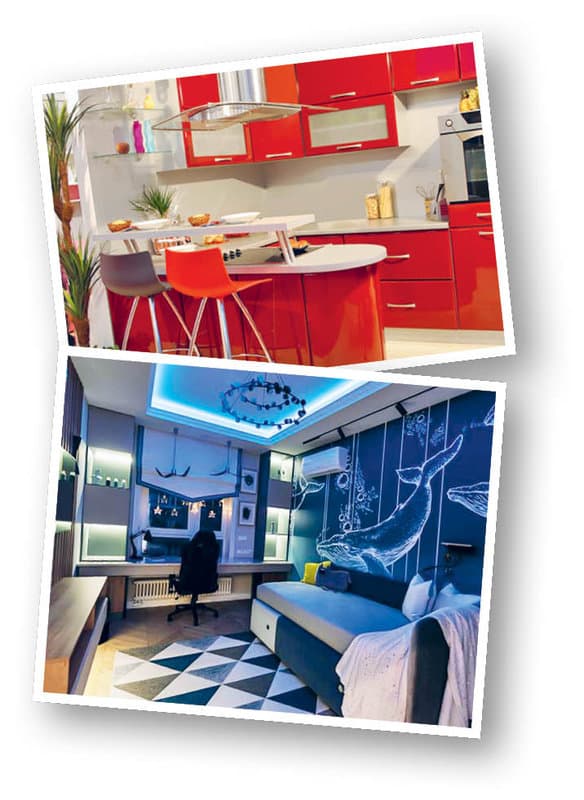
Overdose of one color or another always leads to oppression. The first sign is that it is starting to annoy. There is an opinion that houses and walls help. Especially if they are the right color. According to sanitary and epidemiological standards, the sleeping room should be "cold" - blue, blue or purple. If the child’s room is painted in cold, calm colors, then he will sleep better. However, such colors are not conducive to learning - and this will affect academic performance. No wonder school offices are most often painted in green, yellow or salad. These colors increase concentration, affect our mental abilities. And in the kitchen, unless you're struggling with weight loss, there's no place for red and orange. They increase appetite and stimulate gastrointestinal function, causing us to eat more than usual.
Scientists have shown that red light with a length of 670 nm is able to stimulate energy production in the mitochondria, which can not be said about the blue spectrum. The developed technology is non-invasive and non-drug nature, has great potential in the treatment of diabetes and the prevention of cellular aging.