The scandal over the coins of the time of Peter the First: the collector slipped fakes
Violation of an oral contract of sale can be a reason for a refund
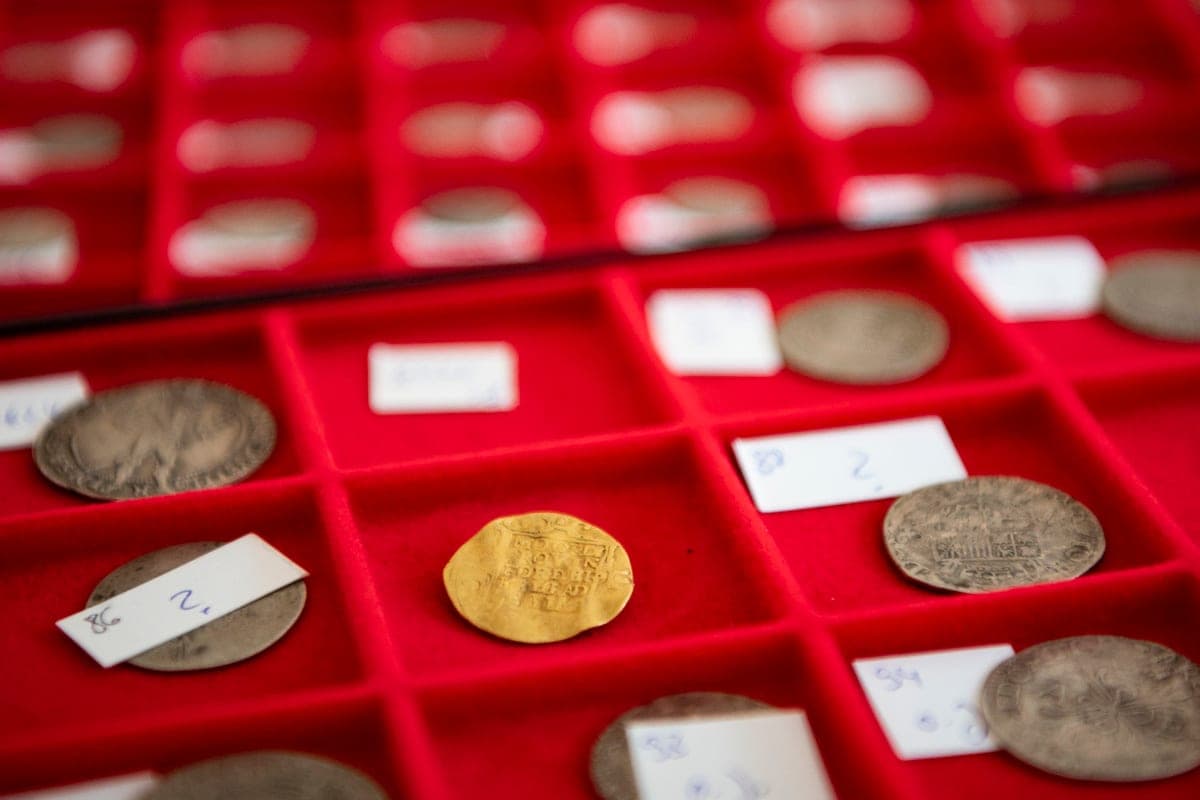
As it became known to “MK”, in an unpleasant history collector of antiquities fell in February 2024. A friend of his son, knowing that the man likes to collect rarities, offered him to buy antique silver coins. It so happened that the guy had quite a lot of numismatic rarities, and the collector happily agreed to see the goods. After studying about 100 rarities with a magnifying glass, the buyer said that most of the coins are fake, but three, dated 1710, 1725 and 1730, with the image of Peter the Great, are certainly of historical value. The man bought them for 300 thousand rubles. However, he immediately warned the seller that he would show the goods to specialists, and if it turns out that the coins are fake, the transaction will be terminated, and the money returned. The collector explained that he fully trusts the owner of numismatic rarities as a friend of his son.
Examination has established that the coins are counterfeit and were issued much later. The buyer tried to return them to the owner, but he suddenly stopped communicating. The collector appealed to the police, but they said that we are talking about a civil dispute. Then the man filed a lawsuit in Nagatinsky court. The seller responded, but voluntarily refused to return the money. He stated that the client could independently assess the authenticity of the coins at the time of purchase, and in addition, it is not established that the same banknotes were transferred for examination. However, these arguments did not impress the courts. Servants of Themis specified that the terms of the contract must be observed even in the absence of a paper document. Therefore, the seller will have to return 300 thousand rubles, also pay interest for non-fulfillment of obligations in the amount of 380192 rubles, expenses for a representative (50 thousand rubles) and for examination (20 thousand rubles). The Moscow City Court and the Second Cassation Court, where the defendant complained, upheld the decision of the first instance.