VIM Investments expects a rate of 13.75% and a dollar of »86 by the end of the year
VIM Investments expects a further reduction in the key rate and the weakening of the ruble until the end of 2026. Analysts also assessed the prospects of Russian stocks, bonds, gold and oil. Details - in the material "RBC Investments"

VIM Investments predicts a reduction in the key rate and a weakening of the ruble by the end of 2026. This was reported by the company’s analysts at the presentation of the investment strategy for the fourth quarter.
What will happen to the rate and the ruble by the end of 2026
In the baseline scenario, analysts expect a rate cut of 25 bp to 13.75%. In 2027, its average level, according to experts, will be about 13% - higher than the 10.5-12.5% forecast range given in the strategy of the Central Bank.
The space to cut the key rate remains, but we expect the Bank of Russia to move cautiously. For investors, this means a longer period of high rates and the need to be selective about asset selection. By the end of the year, there may be attractive opportunities for the purchase of quality corporate bonds, while the growth potential of OFZ we associate primarily with the steady easing of monetary policy next year. At the same time, you should not bet on one scenario: it is important to distribute funds between different asset classes and maintain currency diversification, said Sergey Dudin, director of VIM Investments’ portfolio investment department.
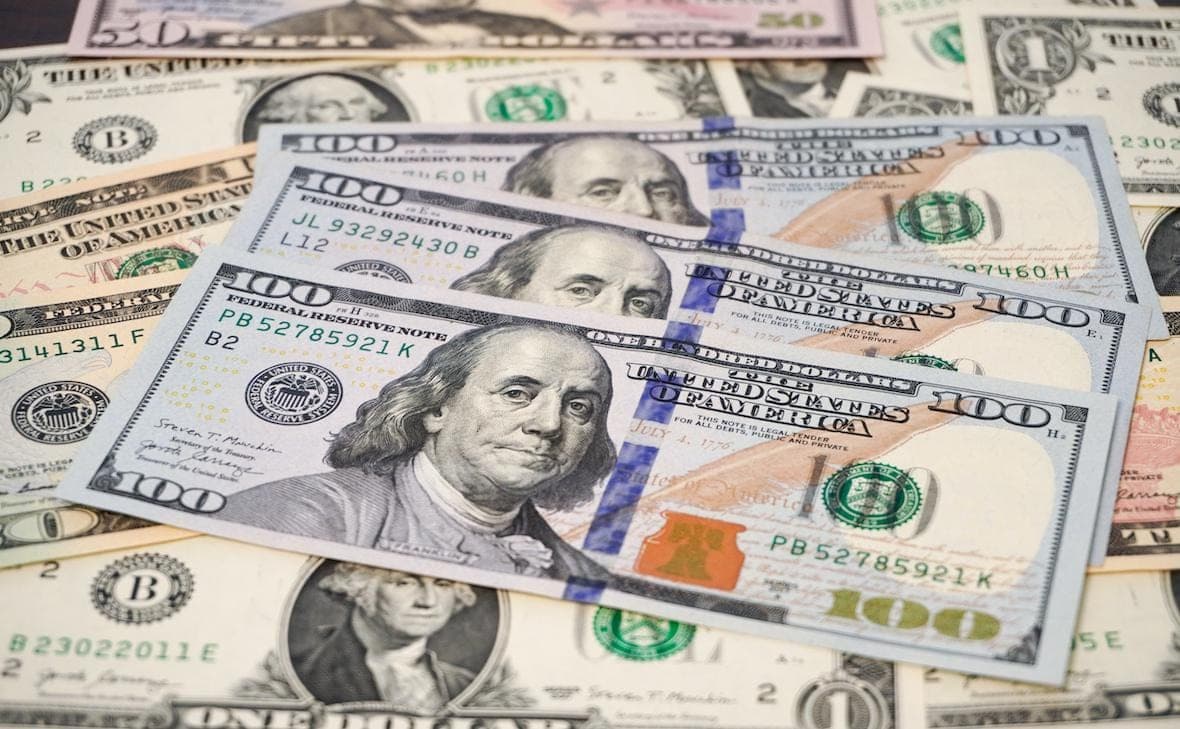
The dollar rate by the end of 2026, the company forecasts at the level of 86, the yuan - 12.8. The ruble is supported so far by a decrease in the share of imports in GDP, the suspension of the investment cycle of economic restructuring in 2023-2024 and a decrease in the intensity of capital outflows.
In 2027, the reduction in the cut-off price in the budget rule, all other things being equal, will increase currency purchases by the Ministry of Finance and pressure on the ruble. Additional risks may be an increase in the need to import petroleum products and the repayment of foreign currency debts by companies.
The material is purely informative and does not contain individual investment recommendations.
What assets do analysts prefer
OFZ. Price growth potential in the fourth quarter is low. The tool may be interesting for the long term if the Central Bank continues to regularly lower the rate next year. Corporate AA bonds that can be bought at more attractive prices. At the same time, experts recommend to approach category A bonds selectively, since there are risks of deterioration of credit quality. Russian shares in the financial and IT sector. Analysts positively assessed the oil and gas sector, and among the companies of the domestic market offer to look at the leaders in dividend yield. Currency bonds with yields of 9-10%. We need to diversify against the background of the expected weakening of the ruble. Gold. The price is well above fundamental levels and volatility remains high. Support is provided by purchases from central banks and ETF funds, as well as geopolitical risks. The forecast of the average price for 2026 is $ 4,450 per ounce, on the horizon of the year - $ 4,250.
What will affect foreign markets
In the oil market, analysts expect a correction as exports from the Middle East recover. According to the strategy, supplies through the Strait of Hormuz increased from 1.3 million barrels per day in June to 8.9 million in September - 63% of the pre-conflict level. Low global stocks will continue to support prices.
Normalization of supplies may lead to the expansion of discounts on Russian oil. The average price of Brent in 2026, the company predicts at $87 per barrel, the tax price of Russian oil is $62.
The risk for world markets remains the tightening of the Fed policy. In September, the regulator raised the rate for the first time since July 2023. By the end of the year, analysts expect another increase, to 4-4.25%.
Additional risk is created by record high valuations of American stocks.
In China, exports remain the main driver of the economy, with weak domestic demand. In the first half of the year, the country’s GDP grew by 4.7% year-on-year, exports by 18%, while investment in real estate decreased by 18%. In the fourth quarter, experts expect new economic stimulus measures.