Marketplaces told that Russians are more likely to buy from sports goods
The most noticeable increase in demand is shown by products for winter holidays, including snowboarding, followed by goods for cycling and fitness, WB said. Ozon points to leadership of fishing goods
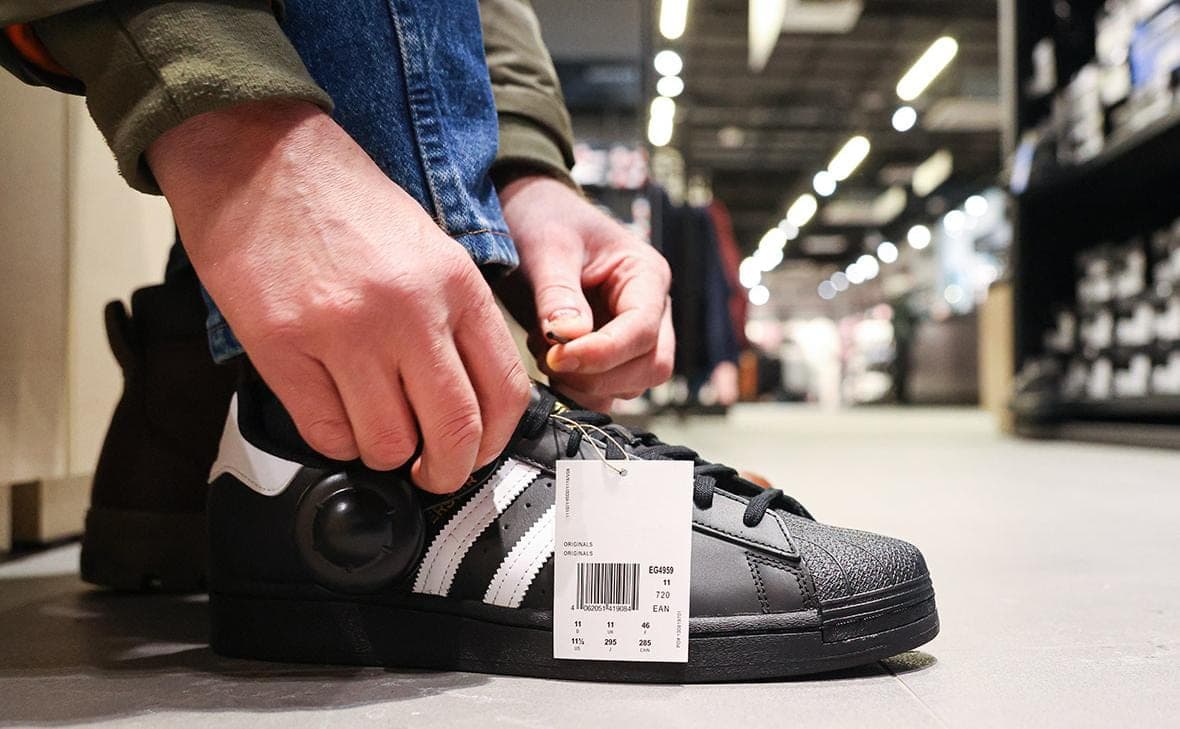
Russians among sports equipment most often buy goods for active sports, fishing and fitness, told RBC in Ozon and Wildberries.
WB noted that the sales structure has not changed significantly since 2023. The leading positions are still occupied by winter disciplines and fitness, the rest is evenly distributed in other areas - for example, running, football, tennis, swimming, cycling.
According to market place statistics, the most noticeable increase in demand over the past year is shown by winter holiday products, despite an increase in the average check by more than 30%. Growth, but slightly slower, is also seen in categories such as cycling and fitness. In general, the average check of buyers of sportswear and sports equipment increased by about 10% compared to 2025, according to Wildberries.
“The greatest growth is concentrated in the segment of specialized equipment and related components for individual sports disciplines and scenarios – from clothing (bicycle stockings, pants, capri, tights, rags) to inventory and spare parts (snowskates, ice caps, fasteners, needles, trapezoids, liners, skis, caps, backs, meters, reflectors, handles, knuckles).” In some cases, growth can exceed thousands of percent, but often this is due to the low base of previous years, explained the marketplace.
Of the mass categories of goods, two-wheeled bicycles are leading in dynamics (+ 66% in physical terms), and among the accompanying bicycle accessories - bicycle shorts (+ 450%), bicycle first aid kits (+ 1150%). Goods for tourism - tents, tents, tourist stoves, etc. - the dynamics here is from 20 to 100%.
The most popular sports equipment among Russians are tracksuits, espanders, sports water bottles, Czechs and balls, the WB noted. In this category, every fifth buyer returns for purchases on average every one and a half to two months. At the same time, the cycle of repeated purchases of shoes is tied to the season and averages three to four months.
According to Ozon, in January-September 2026, sales of sports goods increased 1.6 times compared to the same period last year. The main growth drivers of the company called small towns and villages: every third order in this category falls on settlements with a population of up to 50 thousand people.
Among sports goods, fishing equipment is leading: sales of baits increased almost four times, fishing gloves - 3.2 times, and fishing rods for winter fishing - three times, Ozon said.
Next are fitness and tourism products, sales of which increased 1.7 times year-on-year. “For home workouts, shoppers opted for rollers, espanders and fitness bands — their sales more than doubled.” At the same time, the most noticeable growth was shown by sports caprices in the men's assortment - the demand for them increased 23 times, the marketplace said.
Among tourist goods, everything for camping is in demand: lamps, burners, dishes and sleeping mats. Sales in this category doubled. They also actively buy sportswear (growth 1.6 times) and footwear (1.5 times). Sales of sports jackets and T-shirts increased 1.7 times, women’s – almost twice.
“We have also seen increased demand for dance, swimming and badminton products, with sales doubling year-on-year.” Demand for tennis products grew 1.7 times year-on-year. At the same time, both big tennis and table tennis are popular: rackets and balls for big tennis showed the fastest growth (an increase of almost twice) and a set for table tennis (an increase of 1.6 times).
The Center for the Development of Advanced Technologies (CRPT; operator of the goods labeling system “Honest Sign”) told RBC that in the first nine months of 2026, sales of clothing for summer sports increased by 21% in physical terms and 11% in rubles. At the same time, the production of such products remained at the level of the same period last year. In general, in January-September, Russians spent more than 27.5 billion rubles on the purchase of equipment for summer sports.
Clothing for winter sports showed growth in both production and purchase. From the beginning of 2026 to September inclusive, production increased by 17% in units year-on-year, sales by 22% in physical values and 17% in rubles. In total, the purchase of equipment for winter sports by residents of Russia in the specified period cost more than 1 billion rubles.
RBC launched a special project - "Autumn Marathon". Let’s look at the sports industry from different angles: from the funding of federations to sales of sports equipment, corporate health programs and investment attractiveness of sports projects. On October 22, at 14:00 Moscow time, a direct line with the Minister of the Government of Moscow, the head of the sports department of Moscow Alexei Kondarantsev will be held on the air of RBC and Radio RBC. Send questions to the hotline through the form on the site.
According to a joint study by the ICMR Center (GFC-Rus) and the analytical platform V-PROJECT, only 30% of Russians regularly play sports. Nearly a third (32.5%) exercise less than two to three times a week, and 37.5% do not exercise at all. At the same time, 71.5% of respondents at least occasionally follow sports events.
The main obstacle to regular exercise respondents called the lack of time — 43%. 28% of citizens indicated the high cost of classes, another quarter lacks motivation.