
“Caviar or not caviar?”: how to distinguish a fake from a real delicacy
Red caviar is not a cheap pleasure
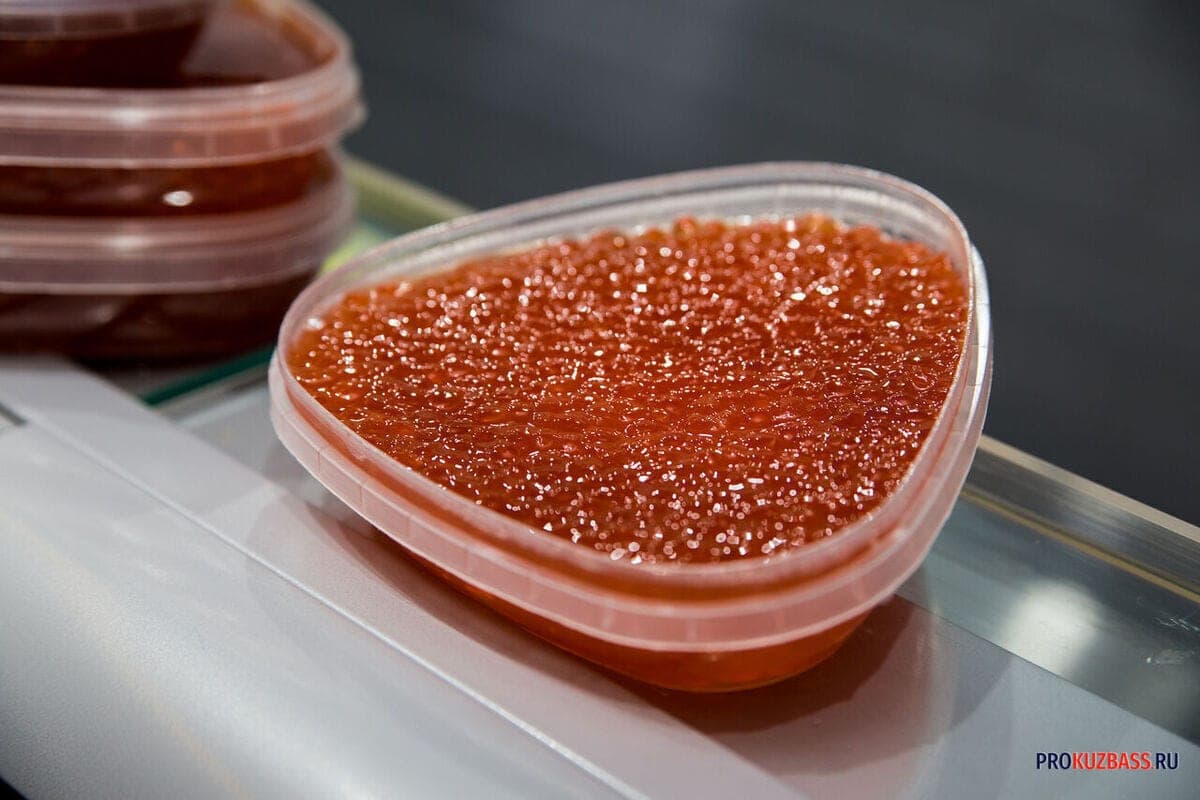
What do you make an imitation of?
The base is fish broth. It is boiled, dyes, flavors, fish oil, thickeners are added. The shell is created using sodium alginate - a safe substance that is used even in medicine. There is no “chemistry” here.
How do you check the houses?
A simple test: fill the caviar with boiling water. The real will become white and cloudy - the protein curls up like an egg when cooked. The imitation will remain transparent or simply color the water.
What did the experiment show?
Experts bought on the marketplace two cans of allegedly natural caviar at a suspiciously low price (182 and 139 rubles). For comparison, they took an honest imitation for 80 rubles and real caviar for 1900 rubles. When pouring boiling water, cheap samples did not turn white, so it was an imitation that was sold as real.
Is it dangerous?
Nope. The simulated caviar is safe. Its membrane is fiber, which is not fully digested, but it is even useful for the intestines. Plus, there are omega-3s, albeit a bit. And the calories are less than the real one, will please those who watch the weight.
Salt? The laboratory tested three samples - 3-3.5%. This is less than in some types of real caviar.
So what, buy?
You can. The main thing is to understand what you are taking. Imitation is not a bad thing if it is worth its money and does not pass off as a delicacy. But you should not overpay for a fake.


