
Comprehensive reform of public transport in Novokuznetsk
Any reform is a conflict, especially if it affects the majority of the population of the country, or, in our case, the city. Cities are changing, becoming more modern, smarter, there are more effective technologies that affect the most familiar areas of life of the city. Urban transport has long since moved from the conventional realm of passenger and car travel to a broader understanding of urban mobility.
In addition to standard cars, buses, trams and trolleybuses, various types of sharing, multimodal systems, delivery and so on have appeared. But it all started with solutions in the field of public transport and one of the first implementations of an integrated approach to creating an urban mobility system was Novokuznetsk.
Almost ten years ago, the city began to develop a set of transport planning documents. They became the basis of the most radical transport reform in Russia. On November 18, 2020, the city completely switched to a new system of regular passenger transportation in one day. The approach to public transport has radically changed: the number of routes has been reduced by almost half, priority is given to urban electric transport, which has been eliminated from duplication, bus transportation has switched to a gross system (the budget pays for the work of the carrier, and the money that the carrier collects for the fare goes directly to the budget), instead of the old PAZICs, 300 new buses on gas engine fuel came to the line (which is especially important for an industrial city).
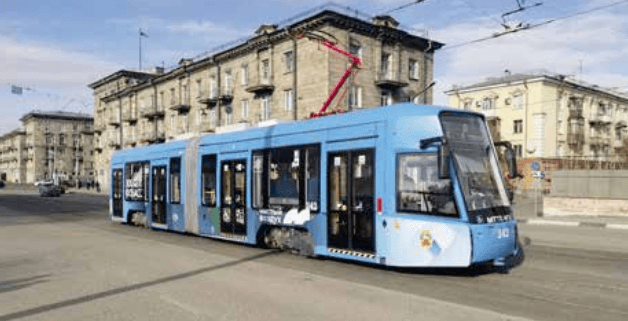
In addition, there was a unified fare payment system with the right of free transfer, travel passes and tariff menu. A unified system of the customer of transport work has been created, which conducts dispatch control of the transport operation around the clock. All this allowed to take part in the federal Clean Air project, thanks to which 38 new trolleybuses and 32 tram cars were received in Novokuznetsk, almost 20 kilometers of tram tracks were repaired, about the same amount of contact wire was replaced, and other infrastructure of urban electric transport was repaired.
Instead of a large car park on the station square, a tram turning ring with a stopping platform appeared, which in the first year added about one and a half million passengers to the tram.
One of the most ambitious projects was the construction of a trolleybus network and traction substation in a remote area of the city. It operates on the principle of dual autonomy. Thanks to the machines with the function of increased autonomous running, it became possible to start routes from the main trolleybus system to an isolated remote one, where the "horned" themselves travel more than 10 kilometers on the charge of batteries in the general flow, then drivers re-install the poles of current collectors, receive a charge inside the area and can go in the opposite direction on an autonomous drive.
For all these events, a Project Office for the Development of Public Transport was created in Novokuznetsk. It includes experts: transport workers, economists, lawyers, financiers. Every year, based on the analysis of the efficiency of the entire transport system of the city, citizens' appeals, economic and other indicators, the Project Office makes various adjustments to the urban mobility system, which now includes not only public transport, but also infrastructure for SIM and interaction with kick-share, the development of a network of electric charging stations and much more. The public transport system of Novokuznetsk has been recognized as one of the best in the country for several years.


