
Pros and cons of ID cards, a new scheme of suburban transportation for villages in Brest region - the announcement of newspapers of the holding "Belarus Today" on November 9
In the newspapers of the publishing house “Belarus Today”, the reader can always find for himself informative and useful information, fascinating interviews and interviews.
In the newspapers of the publishing house “Belarus Today”, the reader can always find informative and useful information, fascinating interviews and analytics. This review collected the most interesting materials that will be published on the pages of “SB Belarus Today” on November 9.
"BELARUS TODAY"
Digitalization and artificial intelligence penetrate into all spheres of life. The technological process is moving inexorably, it is important to keep up with it. , President of Belarus Alexander Lukashenko emphasizes at almost every meeting devoted to science, production and technology: we must have our own, high-quality, modern, benefiting people. Five years ago, Belarusians had the opportunity to issue a new type of identity card. What are its pros and cons, told in the new issue of “SB Belarus today”.
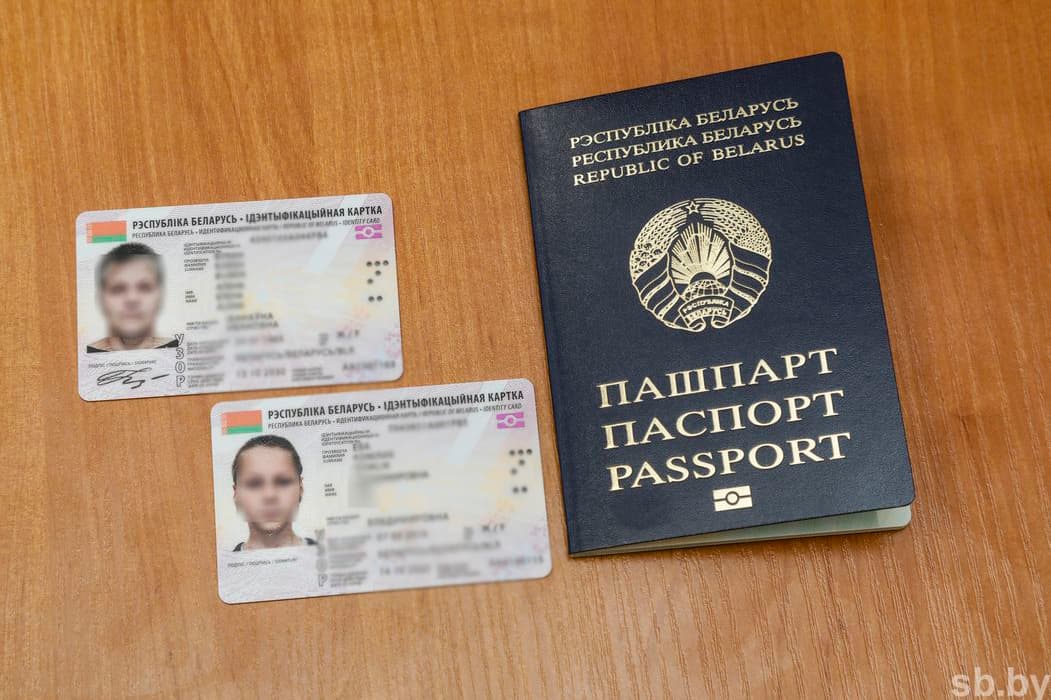
The card can be used inside the country, and a paper “foreigner” is issued to travel abroad, where all relevant stamps are put. Belarusians received the innovation positively: the country does not stand still, new technologies are being introduced that significantly simplify life.
Among the advantages are the compactness and practicality of the identification card in comparison with a regular passport, the ability to give two biometric documents for a visa to two embassies at once, the rapid passage of passport control at the airport, the ability to obtain an electronic digital signature, which will give quick access to administrative procedures.
The new passport gives quick access to electronic services, reliably protects personal data. The number of people who chose an ID card is growing every year, but a full-fledged infrastructure for its maintenance, apparently, in some organizations has not yet been observed
The map itself does not indicate information about residence permit, marital status and children. It's encrypted in an electronic chip. On the one hand, it is the protection of personal data: the extra eyes will not see anything. And on the other hand, it creates certain inconveniences when issuing installments, insurance, service in communication salons, because to check the “hidden” information from the ID card, organizations need a special device – a reader. It's like a bank card terminal. Without a reader, an ID card is, unfortunately, just plastic with a chip, name and photo, carrying no more information than a normal pass to any enterprise.
So, the lack of such a device complained user Threads:
“Today I took a child to donate blood to a well-known laboratory. I am told to show a document showing that it is your child! I said, here's the chip -- read it! The answer is: we don’t have a device – give birth certificate! Commentators were divided into two camps: the same dissatisfied, faced with the problem, and owners of ID-cards, who for all the time of use did not have a single such incident.
Journalists in the new issue of the newspaper understood this issue.
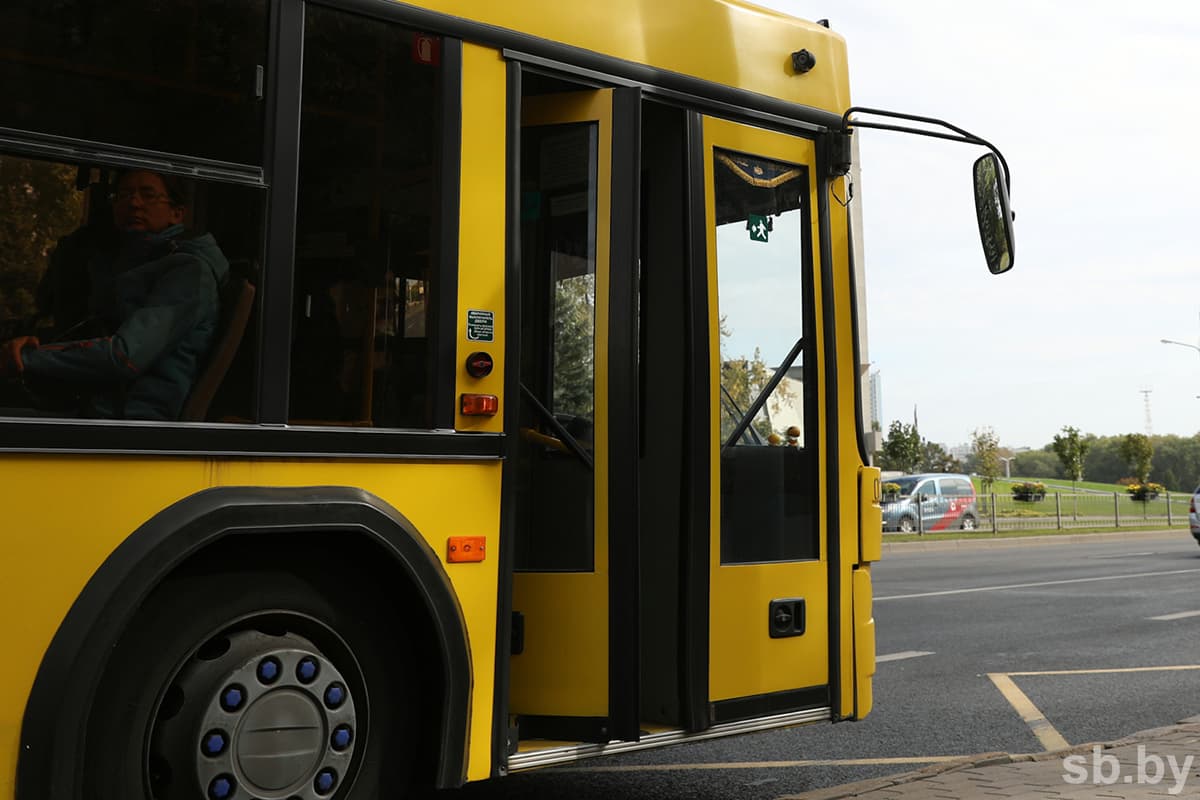
* The commuter transport project of the Ministry of Transport and Communications is being implemented in the Maloritsky district of the Brest region. Bus traffic is based on preliminary requests from residents of sparsely populated villages. How it is organized, told in the new issue of “SB”. Belarus today”.
Alexey Zhogal, Director of KTUE Brestgortrans, noted that the key principle of the new scheme is a flexible response to real demand:
- If applications are not received from remote villages, transport is not sent there. This allows you to optimize the cost of unprofitable flights. The bus follows the main route through key stopping points with stable and predictable passenger traffic. The new format solves two tasks at once: villagers retain the opportunity to get to the city, and fleets get rid of “empty” runs.
So, the Maloritsky district was not chosen by chance. There are many small villages where demand for transport is volatile or seasonal. Three destinations with the lowest passenger traffic were chosen - to the villages of Pereviv, Otata and Dobrosovo.
Residents the day before the trip call the dispatcher on a single phone number and leave a request for a specific date. The information is immediately transmitted to the carrier. The bus will come to the village even for one passenger.
Continue in the new issue of the newspaper.


